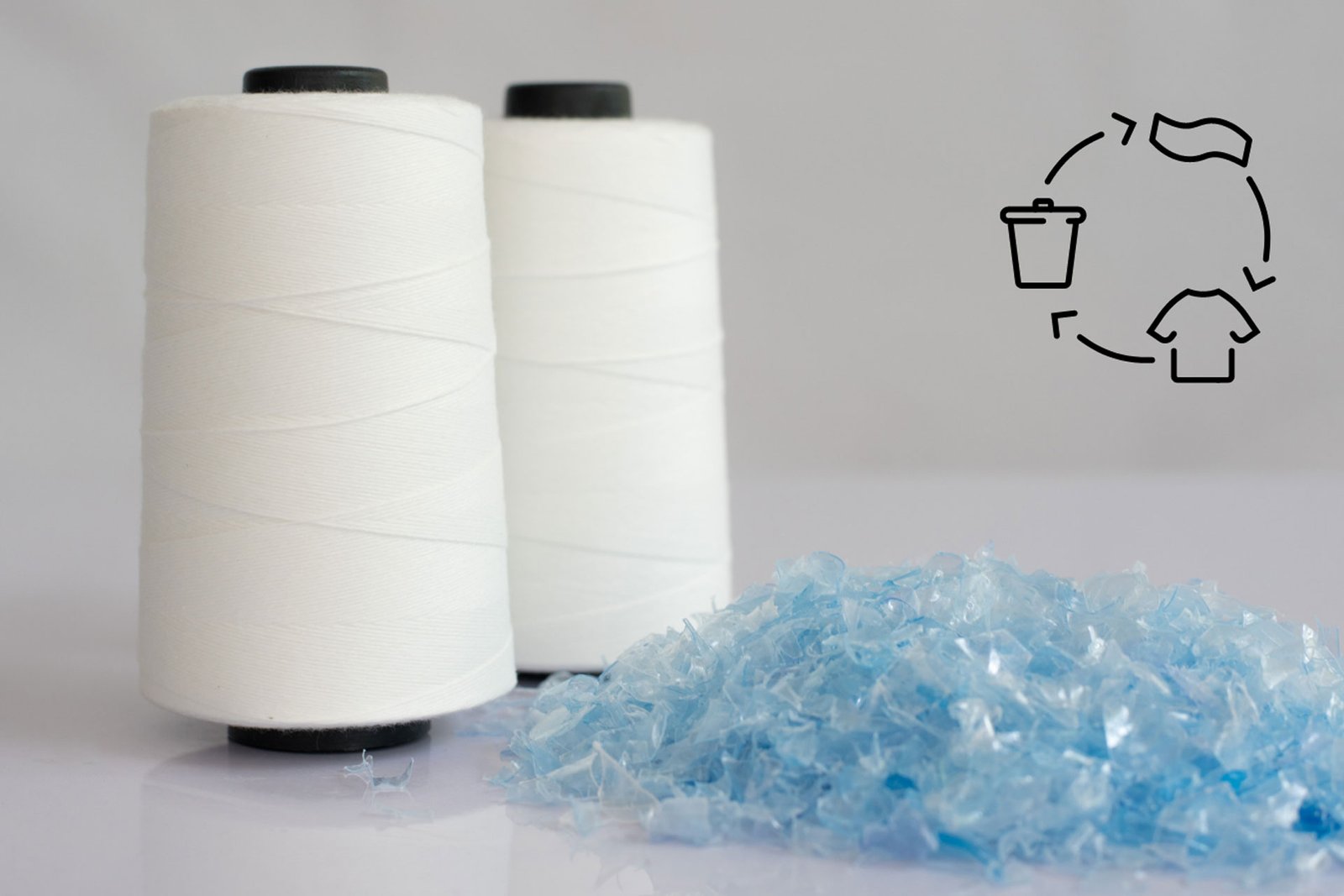
For decades, the rule of thumb was simple: you can’t dye polyester. Because polyester is essentially a type of plastic, its fibers are non-porous and 'hydrophobic,' meaning they repel water and standard dyes.
However, thanks to modern chemistry, you can now change the color of your favorite polyester dress or curtains. The secret lies in using disperse dyes and high heat. Here is your reliable guide to dyeing polyester successfully.
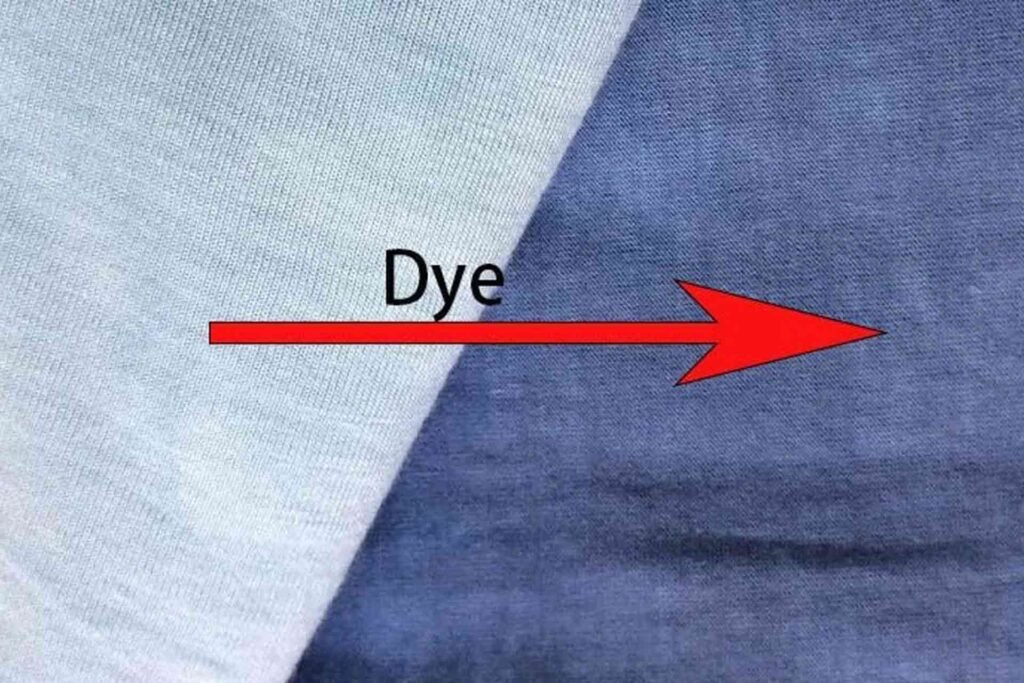
dyeing polyester
1. Choosing Your Weapon: Rit DyeMore vs. iDye Poly
Standard 'all-purpose' dyes only work on natural fibers like cotton or wool. To color synthetics, you must use a dye specifically formulated for polyester.
-
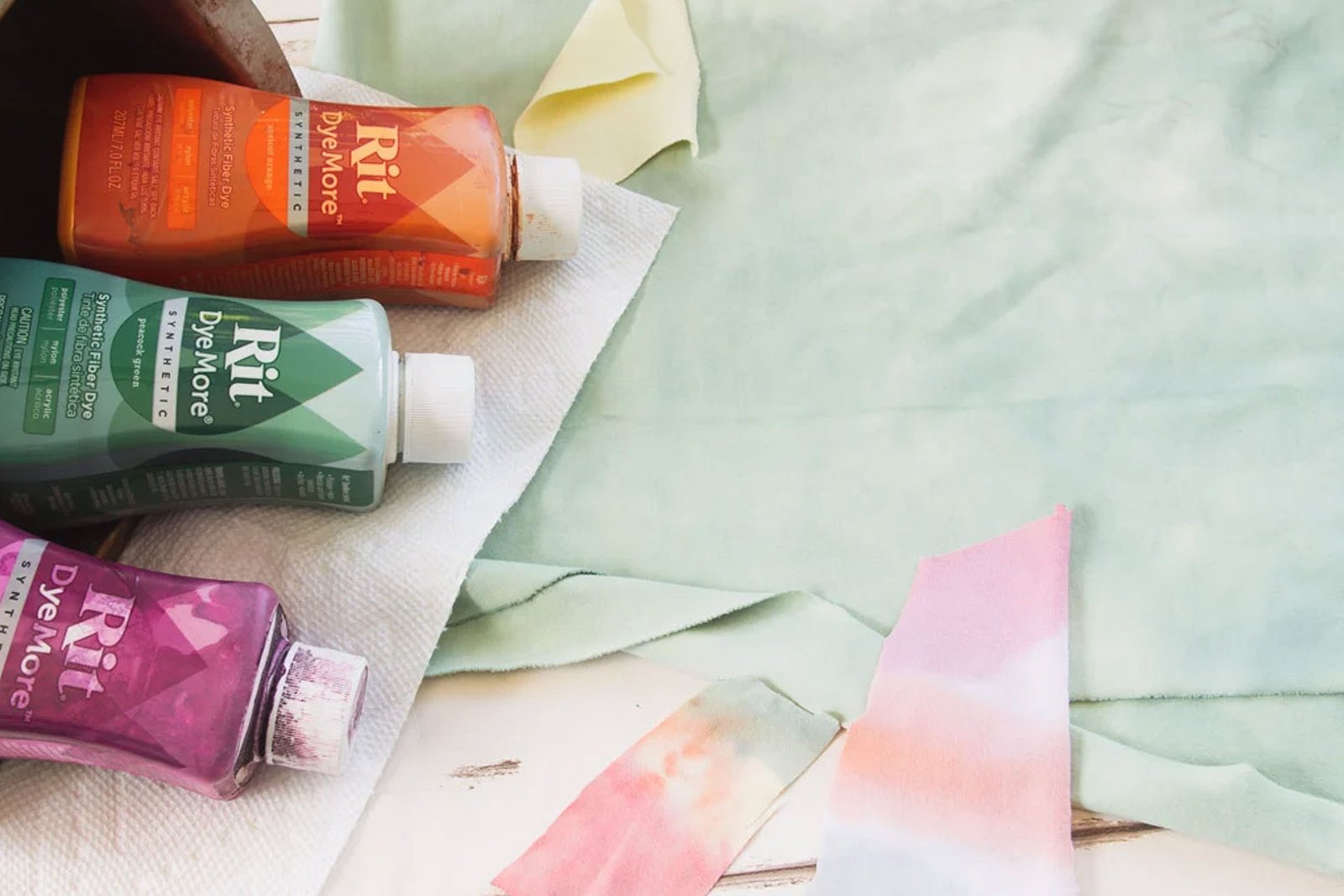
Rit DyeMore for Synthetics: A liquid dye that is incredibly user-friendly. It is perfect for 100% polyester, nylon, and even 3D-printed plastics. It requires a stovetop method (high heat) to work.
-
iDye Poly: This comes in a dissolvable packet that you toss into boiling water. It is a highly concentrated disperse dye known for achieving very deep, saturated colors.
2. The Golden Rule: The Stovetop Method
You cannot dye polyester in a washing machine. To open up the plastic-like fibers so they can absorb the pigment, the dye bath must reach a near-boiling temperature (at least 93°C / 200°F) and stay there for the duration of the process.
What You Will Need:
-
A stainless steel pot (do not use aluminum or non-stick, and do not use a pot you plan to cook food in later).
-
Rit DyeMore Polyester or iDye Poly.
-
Dish soap (acts as a leveling agent).
-
Tongs or a large stainless steel spoon.
3. Step-by-Step Dyeing Process
-
Prep the Fabric: Wash the item to remove any finishes or oils. Dye will not take to 'dirty' or 'sized' fabric.
-
Heat the Water: Fill your pot with enough water for the fabric to move freely. Bring it to a simmer.
-
Add the Dye: Shake the Rit DyeMore bottle well and add it to the pot. Add a teaspoon of dish soap. If using iDye Poly, add the packet and the included 'color intensifier.'
-
The Immersion: Wet the fabric in warm water first, then submerge it in the dye bath.
-
Maintain the Heat: Keep the water at a steady simmer. Stir constantly for 30 to 60 minutes. If you stop stirring, the color will be splotchy or uneven.
-
The Reveal: Polyester looks darker when wet. Once you’ve achieved a slightly darker shade than your target, remove the item.
4. Why Didn’t My Dye Take? (Troubleshooting)
If your project comes out pale or the color washes away, it is usually due to one of three things:
-
Insufficient Heat: If the water wasn't simmering (200°F+), the polyester 'pores' never opened.
-
Incorrect Fabric ID: Is it truly polyester? Waterproof coatings (like DWR on rain jackets) or certain stain-resistant treatments will block dye entirely.
-
The Wrong Dye: Ensure the bottle explicitly says 'DyeMore' or 'Poly.' Standard Rit or iDye (for natural fibers) will result in zero color on polyester.
5. Summary: Polyester Dyeing Checklist
| Requirement | Why? |
| Specialized Dye | Only Rit DyeMore or iDye Poly can bond with plastic fibers. |
| Constant Heat | Must stay near boiling ($200^\circ\text{F}$) to open the fibers. |
| Stainless Steel Pot | Avoids chemical reactions and staining of food-grade cookware. |
| Constant Agitation | Ensures the dye hits every fold of the fabric evenly. |
Important Safety Note
Dyeing is a chemical process. Always work in a well-ventilated area, wear rubber gloves to protect your skin, and never use dyeing utensils for food preparation.
Ready to transform your wardrobe? Contact us for our Synthetic Dye Collection and give your polyester projects a vibrant new life!