Plastic drop cloths are one of the most affordable and widely used protective covers for painting, renovation, and construction projects. Made from polyethylene material, they provide a waterproof barrier that helps protect floors, furniture, and surfaces from spills and debris.
However, not all plastic drop cloths are the same. Thickness, durability, and material quality can vary significantly—and choosing the right type is essential for getting the best results.
What Is a Plastic Drop Cloth?
A plastic drop cloth is a lightweight protective sheet made from polyethylene (PE). It is designed to prevent paint, dust, and moisture from reaching surfaces during work.
Unlike canvas drop cloths, plastic sheets do not absorb liquids. Instead, they act as a fully waterproof barrier, making them ideal for certain types of projects.
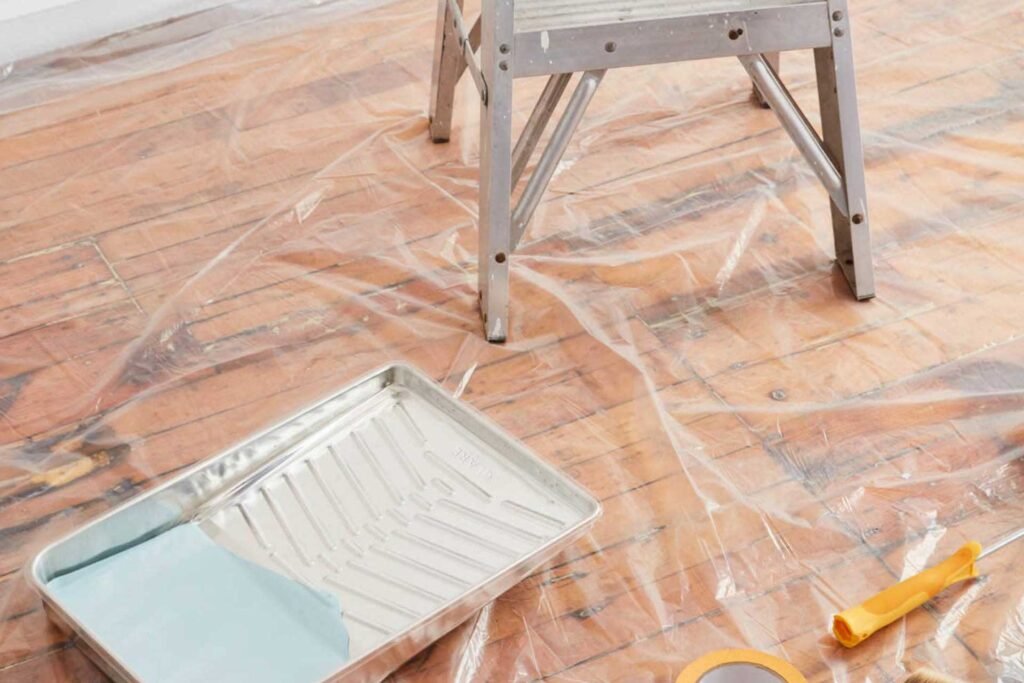
Plastic Drop Cloth
Common Types of Plastic Drop Cloths
Plastic drop cloths are usually categorized by thickness and durability.
1. Light-Duty Plastic Drop Cloth
- Thin polyethylene material
- Very lightweight and inexpensive
- Easy to cut and spread
Best for:
- Quick painting jobs
- Dust protection
- Short-term use
👉 Not recommended for heavy paint work or high-traffic areas
2. Medium-Duty Plastic Drop Cloth
- Moderate thickness
- Better tear resistance
- Balanced cost and durability
Best for:
- Indoor painting
- Furniture covering
- General home renovation
3. Heavy Duty Plastic Drop Cloth
- Thick polyethylene material
- High tear resistance
- More durable and reusable in some cases
Best for:
- Construction sites
- Exterior painting
- Long-duration projects
👉 This is the most reliable option for demanding work
Heavy Duty Plastic Drop Cloth: When to Use It
Heavy duty plastic drop cloth is the preferred choice when durability matters more than convenience.
It is commonly used for:
- Professional painting projects
- Construction and renovation work
- Floor and wall protection in high-traffic areas
Why it performs better:
- Resistant to tearing
- Handles heavy paint spills
- Stays intact under foot traffic
Plastic vs Canvas Drop Cloth (Quick Comparison)
Many users compare plastic and canvas drop cloths before buying.
| Feature | Plastic Drop Cloth | Canvas Drop Cloth |
|---|---|---|
| Waterproof | Yes | No |
| Slip resistance | Low (slippery) | High |
| Reusability | Limited | High |
| Cost | Very low | Higher |
| Best use | Short-term / outdoor | Indoor / professional work |
👉 Plastic is better for waterproof protection
👉 Canvas is better for safety and reuse
Advantages of Plastic Drop Cloths
✔ Fully Waterproof
Plastic prevents all liquid penetration, making it ideal for paint spills and moisture protection.
✔ Low Cost
It is one of the cheapest protective materials available, making it suitable for disposable use.
✔ Lightweight and Easy to Use
Plastic sheets are easy to carry, cut, and install across large areas.
✔ Good for Large Coverage Areas
You can quickly cover floors, walls, or furniture without heavy handling.
Disadvantages You Should Know
❌ Slippery Surface
Plastic can become dangerous underfoot, especially when wet.
❌ Not Reusable (in most cases)
Thin plastic tears easily and is often discarded after one use.
❌ Easy to Tear
Sharp tools, furniture edges, or heavy movement can damage it quickly.
How to Choose the Right Plastic Drop Cloth
Choosing the correct type depends on your project needs.
1. Thickness (Most Important Factor)
- Light-duty → small DIY tasks
- Medium-duty → home renovation
- Heavy-duty → professional work
👉 Thicker = stronger and safer
2. Project Type
- Indoor painting → medium duty
- Outdoor work → heavy duty
- Dust protection → light duty
3. Surface Area
- Small rooms → standard sheets
- Large projects → roll plastic sheets
Common Uses of Plastic Drop Cloth
Plastic drop cloths are widely used in:
- Painting floors and walls
- Covering furniture during renovation
- Protecting surfaces from dust
- Outdoor construction projects
Common Mistakes to Avoid
❌ Using Thin Plastic for Heavy Painting
Paint can easily tear or leak through weak plastic.
❌ Walking on Wet Plastic Sheets
This creates a high slip hazard.
❌ Reusing Damaged Sheets
Torn plastic provides poor protection and should be replaced.
FAQs
Is polyethylene the same as plastic drop cloth?
Yes. Most plastic drop cloths are made from polyethylene (PE) material.
Can plastic drop cloth be reused?
Light-duty versions are usually single-use, while heavy-duty ones may be reused carefully.
Is plastic better than canvas for painting?
It depends. Plastic is better for waterproofing, while canvas is better for safety and reuse.
Final Thoughts
Plastic drop cloths are an affordable and practical solution for protecting surfaces during painting and renovation projects.
If your priority is waterproof protection and low cost, plastic is an excellent choice. However, for safety and long-term use, heavier-duty or canvas alternatives may be better.
Choosing the right thickness is the key factor that determines performance and safety.