Using a drop cloth correctly can make a big difference in the quality, safety, and cleanliness of your painting project. Whether you are a DIY homeowner or a professional painter, proper setup helps prevent paint spills, reduces cleanup time, and protects your surfaces.
In this guide, you’ll learn how to use a painting drop cloth step by step, plus professional tips to avoid common mistakes.
What Is a Painting Drop Cloth Used For?
A painting drop cloth is used to protect floors, furniture, and surrounding areas from paint splashes, dust, and debris during painting or renovation work.
It acts as a protective barrier between your work area and surfaces you don’t want to damage.

how to use a drop cloth for painting
Step-by-Step: How to Use a Drop Cloth for Painting
Follow these steps to get professional-level results.
Step 1: Clear and Prepare the Area
Before placing the drop cloth:
- Remove small furniture if possible
- Sweep or vacuum the floor
- Make sure the surface is dry
👉 A clean base helps the drop cloth stay flat and stable.
Step 2: Choose the Right Drop Cloth Type
Select based on your project:
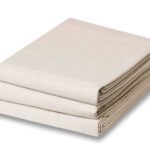
- Canvas drop cloth → indoor painting, reusable use
- Plastic drop cloth → waterproof protection, quick jobs
👉 Choosing correctly prevents slipping and paint leakage issues.
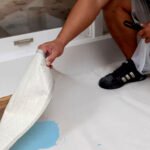
Step 3: Lay the Drop Cloth Properly
Place the drop cloth over the entire working area:
- Extend beyond the painting zone
- Cover edges of walls or furniture
- Avoid leaving gaps
👉 Overlapping is better than under-covering.
Step 4: Secure the Edges
This is one of the most important steps.
You can secure your painting drop cloth using:
- Painter’s tape
- Masking tape
- Heavy objects (for canvas)
👉 This prevents movement while you work.
Step 5: Check for Slips or Gaps
Walk carefully over the area and check:
- Loose corners
- Folded edges
- Slippery sections (plastic sheets especially)
Fix any issues before starting painting.
Professional Tips for Better Results
Here are techniques used by professional painters:
✔ Layering Method
For maximum protection:
- Plastic layer underneath (waterproof)
- Canvas layer on top (non-slip)
👉 This is ideal for large or expensive projects.
✔ Use Overlapping Sheets
For large rooms, use multiple drop cloths and overlap them slightly to avoid exposed floor areas.
✔ Tape High-Traffic Areas
Areas near doors or walking paths should always be taped down for safety.
✔ Keep Tools on a Separate Section
Avoid placing paint buckets directly on plastic drop cloths—they can slide easily.
Common Mistakes to Avoid
❌ Not Securing the Edges
Loose drop cloths can move and cause spills or accidents.
❌ Using Plastic Alone Indoors
Plastic can become slippery when paint or water is present.
❌ Leaving Gaps in Coverage
Even small exposed areas can lead to permanent stains.
❌ Reusing Dirty Drop Cloths Without Cleaning
Dried paint buildup reduces effectiveness and can transfer dirt.
Painting Drop Cloth Safety Tips
Safety is often overlooked but very important:
- Avoid walking fast on plastic sheets
- Keep lighting clear to see edges
- Remove tripping hazards around edges
- Wear non-slip shoes if possible
When Should You Replace a Drop Cloth?
Replace your drop cloth if:
- It has large tears
- Paint has soaked through multiple layers
- It becomes slippery or unstable
👉 A damaged drop cloth can cause more harm than protection.
FAQs
What is the best way to use a painting drop cloth?
The best way is to fully cover the area, secure the edges, and choose the correct material for your project type.
Can I reuse a drop cloth after painting?
Yes. Canvas drop cloths are reusable after cleaning. Plastic ones are usually disposable.
Should I tape down a drop cloth?
Yes, especially for plastic drop cloths or high-traffic areas.
Final Thoughts
Using a drop cloth properly is just as important as choosing the right paint or tools. A well-placed painting drop cloth protects your space, improves safety, and makes cleanup much easier.
By following the right setup steps and avoiding common mistakes, you can achieve professional-quality results in any painting project.