
In the world of textiles, the satin weave stands alongside plain and twill weaves as one of the three fundamental ways to interlacing threads. It is the hallmark of luxury, recognized for centuries by its high-gloss surface and liquid-like drape.
But what exactly is a satin weave, and how does its structure create such a distinct sensory experience? Let’s dive into the technical artistry behind this sophisticated fabric.
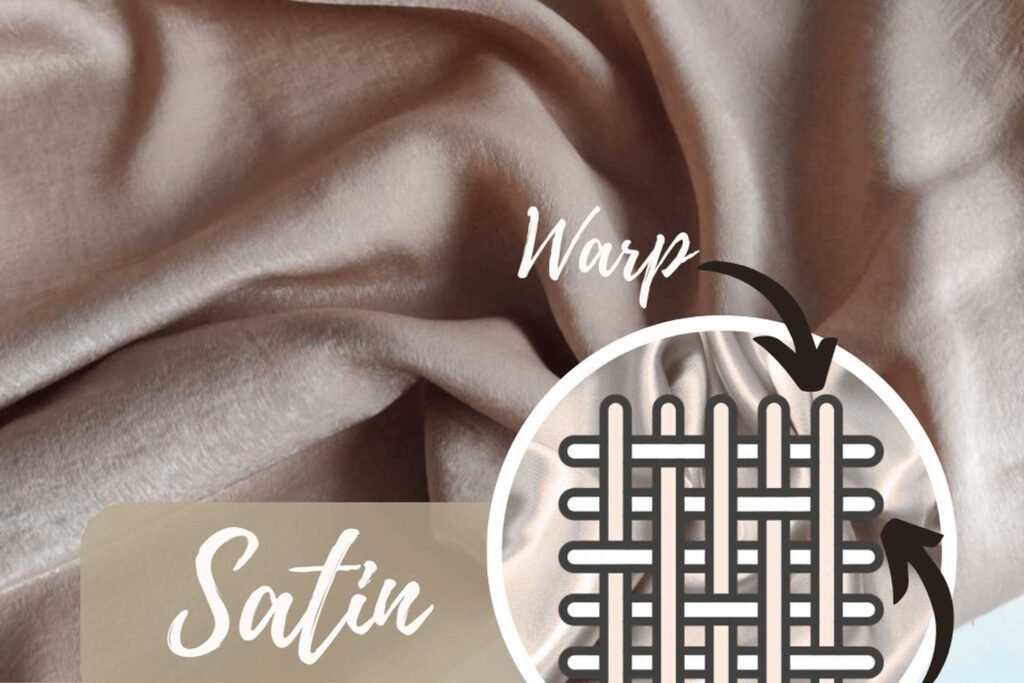
what is satin weave
Defining the Satin Weave
To understand the satin weave definition, we have to look at how the vertical (warp) and horizontal (weft) threads meet. Unlike a standard checkerboard pattern, a satin weave is characterized by four or more warp threads floating over a single weft thread (or vice versa).
The key to this technique is the 'Float.'
-
The Concept of Floats: Because the threads 'float' over several others before interlacing, they create long, uninterrupted rows of parallel fibers on the fabric's surface. These smooth, flat expanses reflect light more directly than other weaves, giving the fabric its signature mirror-like luster.
The Technical Structure: 4/1 and Beyond
The most common satin weave structure is the 4/1 ratio. This means the warp thread crosses over four weft threads and goes under the fifth.
However, the complexity can increase to achieve different levels of softness and sheen:
-
4-Harness Satin: The basic 3/1 or 4/1 structure.
-
5-Harness Satin: Offers a slightly smoother surface.
-
8-Harness Satin: The(warp) floats over seven threads. This results in the most flexible and lustrous fabric possible, though it requires careful handling due to the long floats.
Key Characteristics of Satin Weave Fabrics
Why do designers prioritize satin weave fabric for high-end collections? It comes down to three primary physical traits:
-
Lustrous Surface: The long floats minimize light scattering, allowing the fabric to glow under both natural and artificial light.
-
Silky Smooth Hand: Because the interlacing points are far apart and strategically staggered, the texture is nearly invisible to the touch, resulting in a skin-friendly, frictionless feel.
-
Exceptional Drape: The unique staggered structure makes the cloth more pliable than plain weaves. This allows it to flow beautifully around the human form, making it the ideal choice for evening wear and flowing silhouettes.
Real-World Satin Weave Examples
The term 'Satin' refers to the weave, not the raw material. You can find this structure across various fibers:
-
Silk Satin: The most luxurious variety, often called 'Charmeuse,' prized for bridal and couture.
-
Polyester Satin: A durable, high-shine alternative that is popular for event decor and versatile apparel.
-
Cotton Sateen: When cotton fibers are used in a satin weave, it creates a breathable, soft material that is a favorite for premium bedding.
Choosing Quality for Your Design
The quality of a satin weave is determined by the balance between the length of the floats and the density of the weave. Longer floats provide more shine, while a tighter density ensures the fabric remains durable and resistant to snagging.
When selecting materials for elegant gowns, high-end linings, or sophisticated home accents, the satin woven fabric you choose serves as the canvas for your aesthetic. At TextileCloth.com, we focus on sourcing weaves that maintain this delicate balance—offering that essential liquid drape while ensuring the structural integrity needed for professional garment construction. By choosing a weave that prioritizes both luster and fiber strength, you ensure your finished piece carries an air of effortless luxury.