
The satin weave is celebrated for its versatility. While many associate 'satin' with a single type of shiny fabric, it actually encompasses a wide range of materials, each with unique weights, textures, and ideal applications.
Whether you are designing a bridal gown, crafting custom accessories through satin ribbon weaving, or refreshing your interior design, knowing which satin to use is essential. Here are the most prominent examples of satin weave fabrics and how to use them effectively.
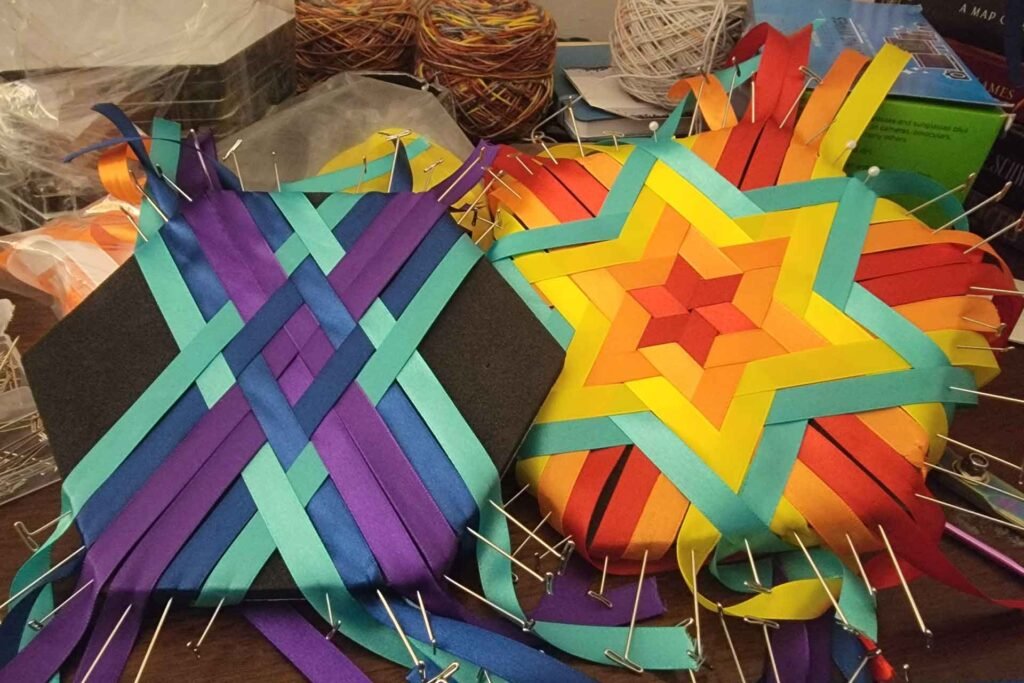
satin ribbon weaving
1. Apparel & Fashion Favorites
In the fashion industry, the choice of satin depends on the desired silhouette.
-
Charmeuse: This is a lightweight, high-luster silk satin weave (or high-quality synthetic) known for its 'liquid' drape. It is the premier choice for bias-cut dresses, lingerie, and luxury pajamas.
-
Duchess Satin: Unlike the fluid Charmeuse, Duchess satin is heavy and holds its shape. It has a lower sheen but a high thread count, making it the industry standard for structured bridal gowns and evening bodices.
-
Crepe-back Satin: A unique satin woven fabric that is reversible—one side features a smooth satin finish, while the other is a pebbled crepe texture. It is a favorite for designers who want to play with contrasting textures in a single garment.
2. Luxury Home Decor & Accents
Satin weaves are just as impactful in interior spaces as they are on the runway.
-
Drapery & Upholstery: Heavier satin weaves are used for blackout curtains and accent upholstery. The way the light hits a satin curtain can instantly make a room feel more expansive and expensive.
-
Satin Ribbon Weaving: High-quality satin woven ribbons are used for everything from luxury gift packaging to intricate trim on upholstery and apparel. The double-faced satin ribbon (shiny on both sides) is particularly prized for its professional finish.
3. Expert Selection Tip: Silk vs. Polyester Satin
When browsing satin weave fabric examples, you will inevitably encounter both silk and polyester versions. Knowing the difference is crucial for the longevity of your project:
-
The Burn Test: If you can take a small sample, silk (a protein fiber) will smell like burning hair and leave a crushable ash. Polyester (a synthetic) will smell like melting plastic and leave a hard black bead.
-
Temperature & Feel: Real silk satin adjusts to body temperature and feels cool in the summer and warm in the winter. Polyester tends to trap heat and may develop static more easily.
-
Visual Luster: Silk has a multi-dimensional, soft glow. Polyester often has a very bright, mirror-like 'white' shine.
4. Sourcing the Right Foundation
The success of a project—whether it’s a bespoke silk pajama set or a grand event installation—begins with the quality of the weave.
At TextileCloth.com, we offer a spectrum of satin options tailored to your specific needs. For those crafting intimate apparel, our Silk Satin selections provide the breathability and delicate touch required for skin-contact garments. Meanwhile, for event planners and decor enthusiasts, our Premium Polyester Satins offer the vibrant color payoff and durability needed for high-impact displays.
Choosing the right satin woven fabric isn't just about the shine; it's about matching the weight and fiber of the cloth to the vision in your mind. Explore our collection to find the exact texture your next project deserves.