
As we navigate through 2026, the fashion and textile industries are at a crossroads. For years, recycled polyester (rPET)—led by brands like Repreve polyester—has been hailed as the 'green savior' of synthetics.
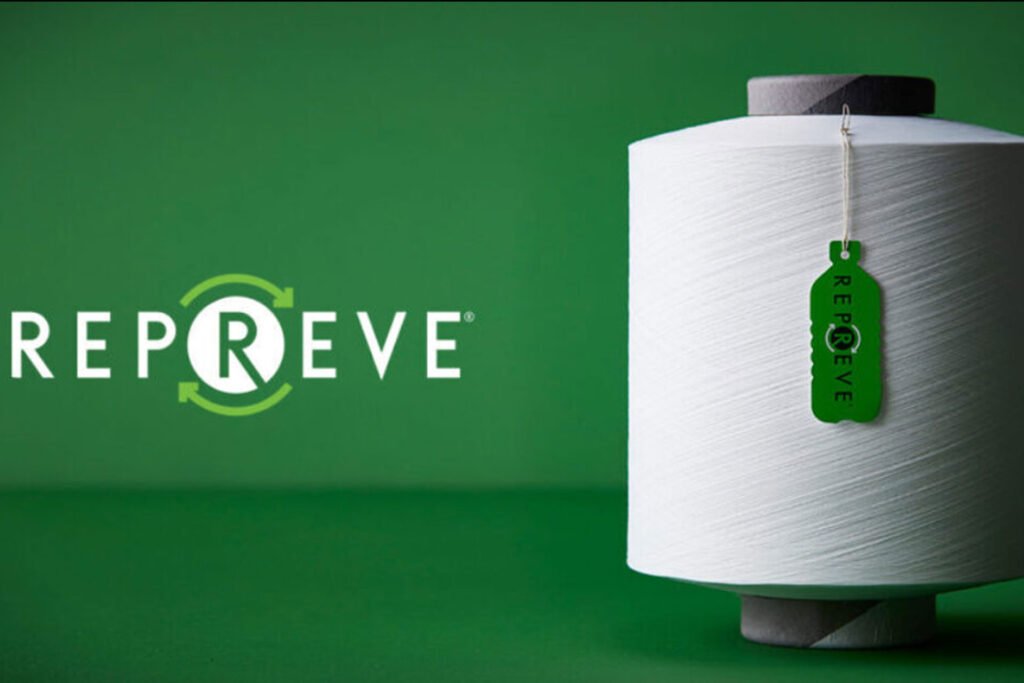
is recycled polyester sustainable
But as sustainability standards become more rigorous, consumers and manufacturers alike are asking the tough questions: How much does it actually reduce our carbon footprint? And what happens when a recycled garment reaches the end of its life? In this deep dive, we evaluate the current impact and the future potential of recycled synthetics.
1. The Journey: From Ocean-Bound Plastic to Repreve Fiber
To understand the sustainability of recycled poly fabric, we must look at the diversion of waste. Repreve is not just a brand; it’s a massive logistical operation that transforms post-consumer plastic bottles into high-quality performance yarn.
-
Collection: Millions of PET bottles are collected from shorelines and landfills.
-
Mechanical Recycling: Bottles are cleaned, shredded into 'flakes,' and melted into pellets.
-
Fiber Extrusion: These pellets are spun into recycled polyester yarn that is indistinguishable from virgin poly in terms of strength and dyeability.
The Contribution: To date, Repreve has diverted over 35 billion plastic bottles from the environment.
2. The Carbon Footprint: Virgin vs. Recycled
Does the recycling process actually save energy? The data says yes.
According to life-cycle assessments (LCA), producing recycled polyester is significantly more efficient than creating 'virgin' polyester from crude oil:
-
Energy Consumption: rPET production uses roughly 30% to 50% less energy.
-
CO2 Emissions: It releases up to 55% fewer greenhouse gases than its petroleum-based counterpart.
-
Water Usage: It requires significantly less water, as the primary 'raw material' (the bottle) has already been processed once.
3. The 'Microplastic' Challenge
Despite the energy savings, recycled poly fabric is still plastic. Critics point out that every time we wash a recycled fleece, it releases microfibers into the water system.
This is why the 'Future' of Repreve is focusing on two fronts:
-
Filament Engineering: Creating smoother yarns that shed less during washing.
-
Circular Systems: Moving away from 'Bottle-to-Fiber' (which eventually ends up in a landfill) and toward 'Fiber-to-Fiber' recycling, where old clothes are turned back into new ones.
4. Beyond Recycling: Is Biodegradable Polyester Possible?
The industry is currently buzzing about biodegradable polyester. While standard PET takes 200+ years to decompose, new biocatalyst technologies (like CiCLO®) can be added during the Repreve manufacturing process.
-
How it works: These additives allow microbes in landfills or the ocean to 'digest' the synthetic fibers at a rate comparable to natural fibers like wool.
-
The Goal: Combining recycled polyester for its low carbon footprint with biodegradable technology for its end-of-life solution.
5. Final Verdict: Is it Truly Green?
Recycled polyester is not a 'perfect' material, but it is a crucial bridge to a more sustainable future. By choosing Repreve polyester, manufacturers are decoupling their production from the oil industry and giving a second life to waste that would otherwise pollute our oceans.
🛍️ Support the Circular Economy
Choose materials that prioritize the planet.