
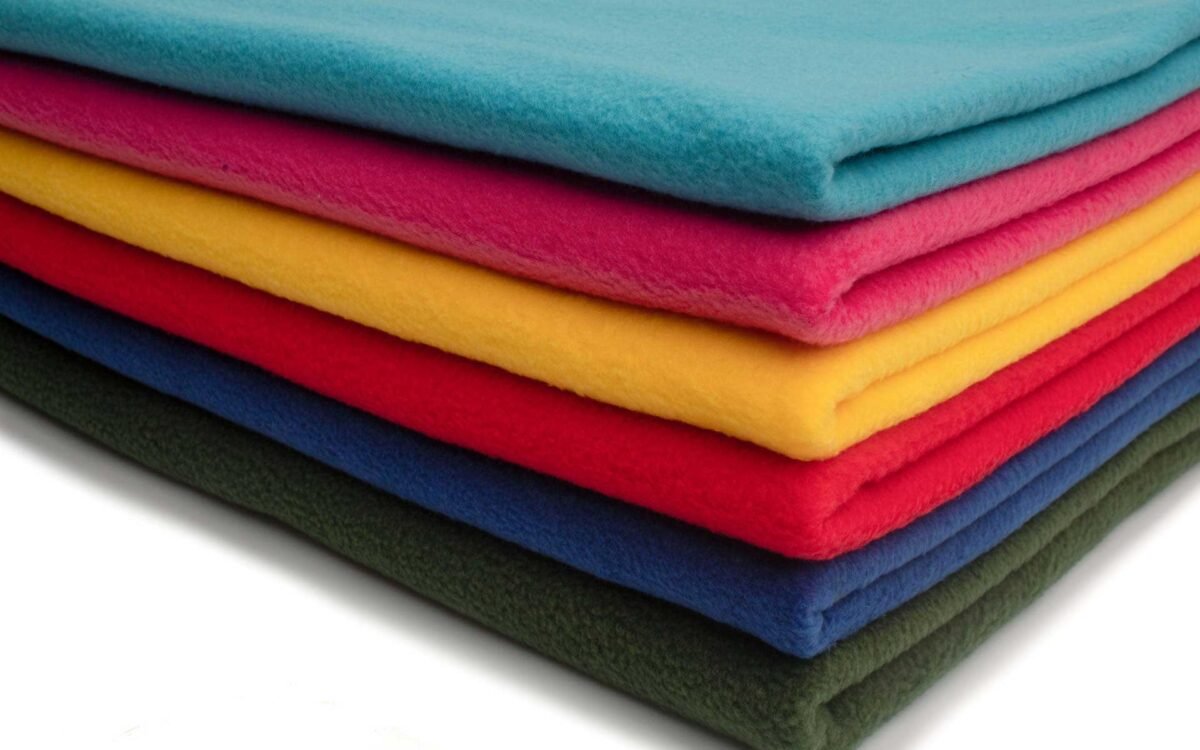
Anti-Pill vs Regular Fleece: Choosing the Right Weight for Your Project
Fleece is one of the most popular fabrics for blankets, outdoor gear, and winter clothing. But if you’ve ever searched for fleece fabric, you’ve probably seen terms like anti pill fleece fabric, polar fleece 200, or polar fleece 300 fabric. For beginners and professional buyers alike, these terms can be confusing. What does anti-pill actually mean? And how do you choose between lightweight polar fleece and heavyweight polar fleece? This guide explains the differences so you can confidently select the right fleece for your project.
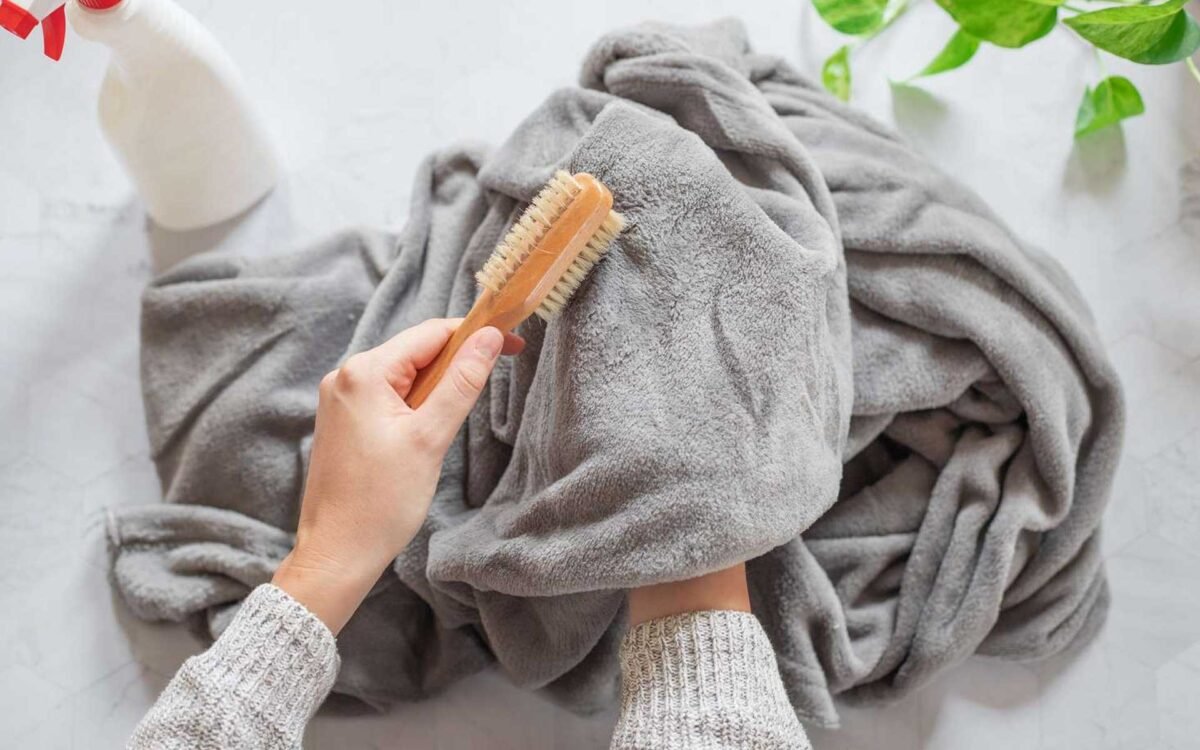
How to Wash and Care for Fleece Fabric to Prevent Pilling
Fleece fabric is loved for its softness, warmth, and lightweight comfort, making it a popular choice for jackets, blankets, and loungewear. However, one common issue many people encounter is pilling—those small, fuzzy balls that form on the surface of the fabric after repeated wear and washing. The good news is that with the right washing and care techniques, you can significantly reduce pilling and keep your fleece garments looking soft and new for much longer. This guide explains why fleece pills and how to properly wash and maintain fleece fabric.

The Science of Warmth: Why Fleece Is the Best Material for Winter Clothes
Winter clothing must do more than simply cover the body—it must retain heat, manage moisture, and remain comfortable in cold environments. Among the many fabrics used for winter apparel, fleece stands out as one of the most effective materials for insulation. From outdoor jackets to thermal blankets, fleece has become a staple in modern cold-weather clothing. But what exactly makes it so warm? This guide explores the science behind fleece fabric, how it traps heat, and why it has become one of the best materials for winter clothing.
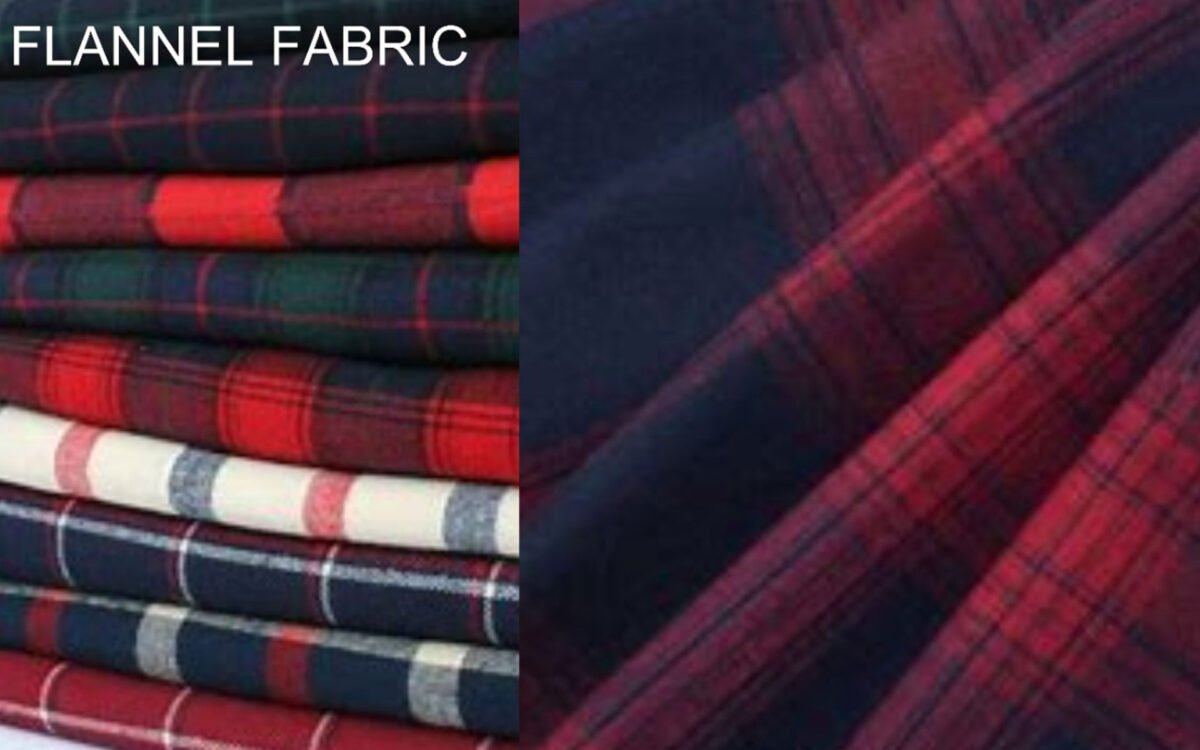
Fleece vs Flannel: Which Fabric Is Warmer for Winter Projects?
When planning winter sewing projects—whether blankets, pajamas, scarves, or home décor—two fabrics usually dominate the conversation: fleece and flannel fabric. Both materials are known for their softness and warmth, but they behave very differently in real-world use. Fleece is a synthetic fabric designed for insulation, while flannel fabric is a brushed cotton textile traditionally used in cozy clothing. So which one is actually warmer? And which should you choose for your project? In this guide, we’ll compare fleece vs flannel fabric in terms of warmth, durability, comfort, and best uses to help you make the right choice.
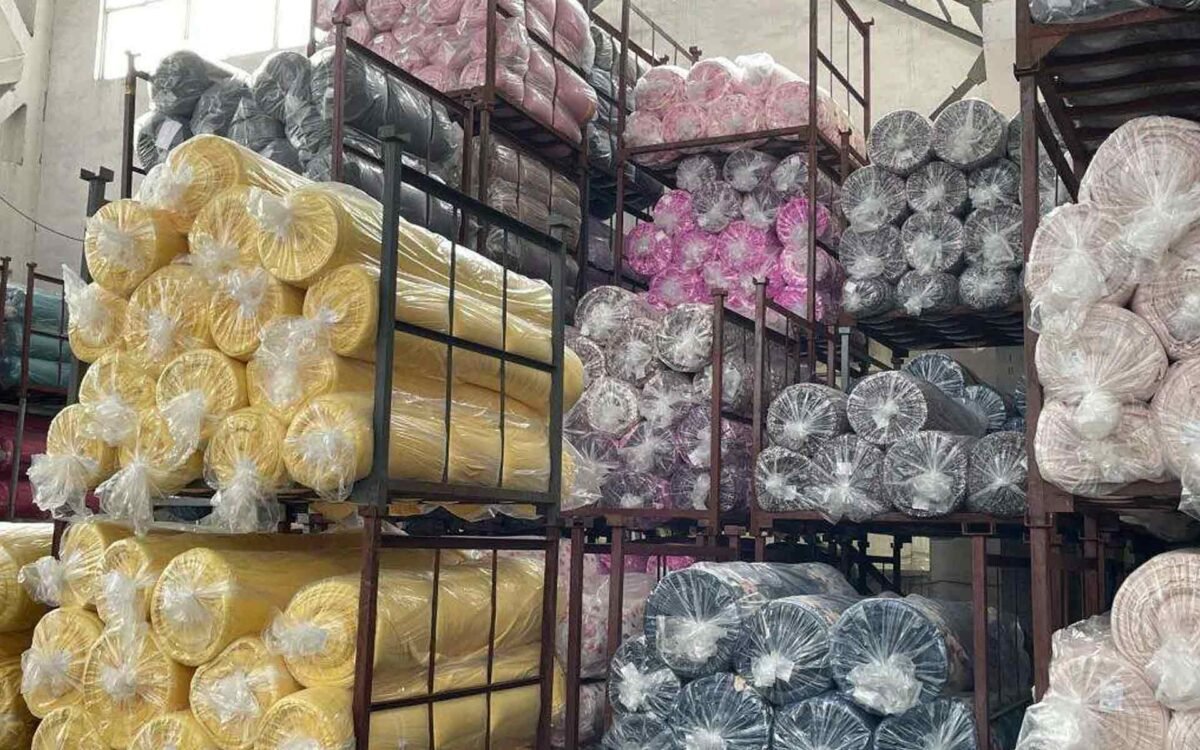
Where to Buy Wholesale Fleece Fabric by the Yard
For craft businesses, sewing studios, and textile retailers, buying wholesale fleece fabric can dramatically reduce production costs. Instead of paying retail prices, purchasing fleece by the yard wholesale allows you to buy large quantities at significantly lower prices. Whether you're producing fleece blankets, clothing, or craft kits, understanding how the wholesale fleece market works can help you find reliable suppliers and maximize profit margins.
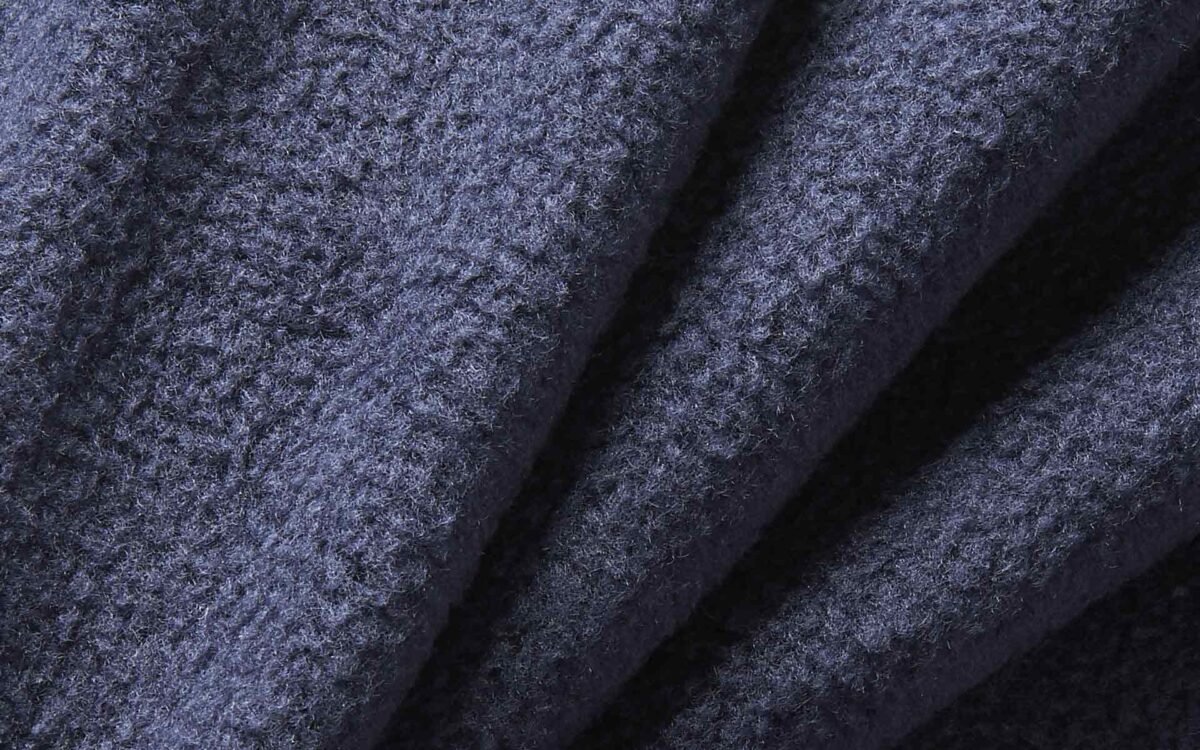
Buying Fleece by the Yard: How to Measure and Save Money Online
Whether you're sewing cozy blankets, crafting winter clothing, or starting a DIY project, buying fleece by the yard is one of the most cost-effective ways to get high-quality fabric. Unlike pre-cut fabric pieces, purchasing fleece material by the yard allows you to control exactly how much fabric you need while reducing waste and cost. Many online stores now sell fleece and flannel fabric by the yard online, making it easier than ever to source materials from anywhere. In this guide, you'll learn: How fleece fabric is sold by the yard How to measure the exact amount you need The difference between fleece and flannel fabric Smart ways to save money when buying fleece online
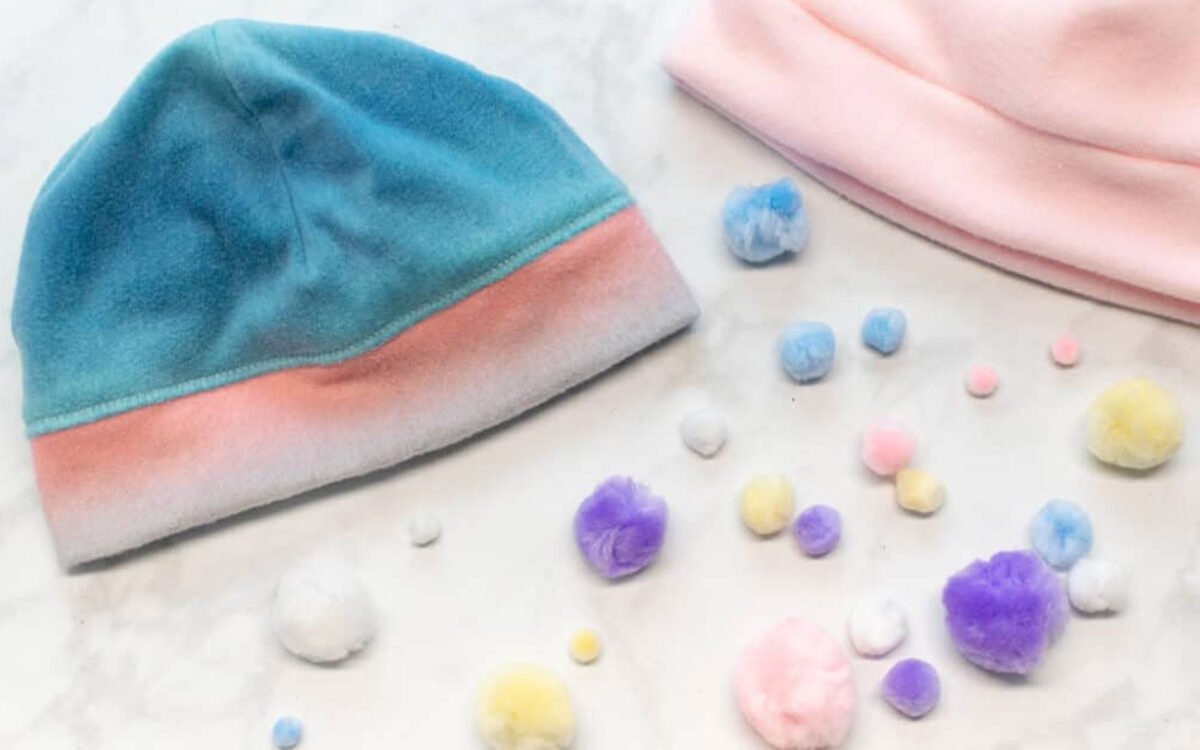
What Can You Make with Fleece? 10 Creative Projects Beyond Blankets
When people think of fleece fabric, the first thing that usually comes to mind is a cozy blanket. While fleece tie blankets are incredibly popular, this warm and versatile fleece cloth material can be used for far more creative projects. Because fleece is soft, warm, easy to sew, and resistant to fraying, it’s perfect for beginners and professional sewists alike. Whether you enjoy DIY crafts, sewing clothing, or making handmade gifts, fleece opens the door to dozens of possibilities. Below are 10 creative fleece projects that go far beyond traditional blankets.
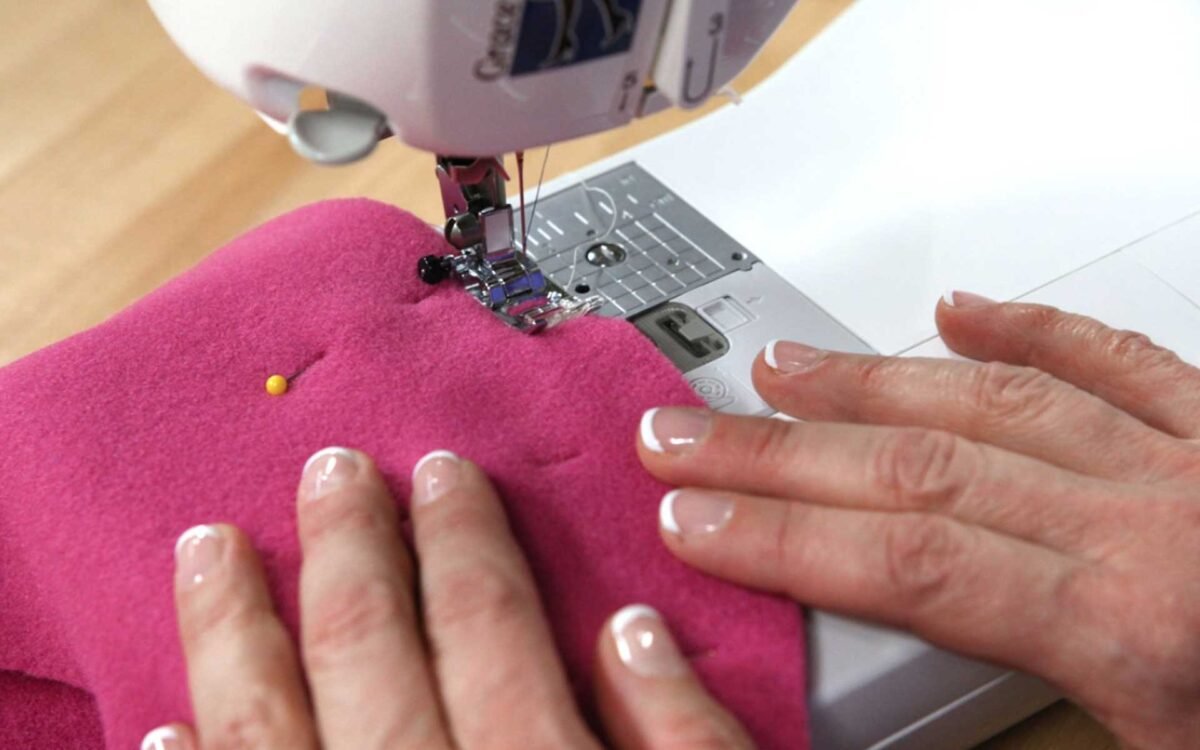
Sewing with Fleece: Tips and Tricks for Beginners and Professionals
Fleece is one of the most popular fabrics for cozy clothing, blankets, and outdoor gear. From hoodies and sweatpants to blankets and winter accessories, fleece fabric offers warmth, softness, and easy care. However, many beginners quickly discover that sewing with fleece can be tricky. The fabric is thick, slightly stretchy, and sometimes slippery, which can cause uneven seams or bulky edges. This guide will walk you through practical sewing tips and techniques so you can handle fleece confidently—whether you’re making your first blanket or producing professional-quality garments.
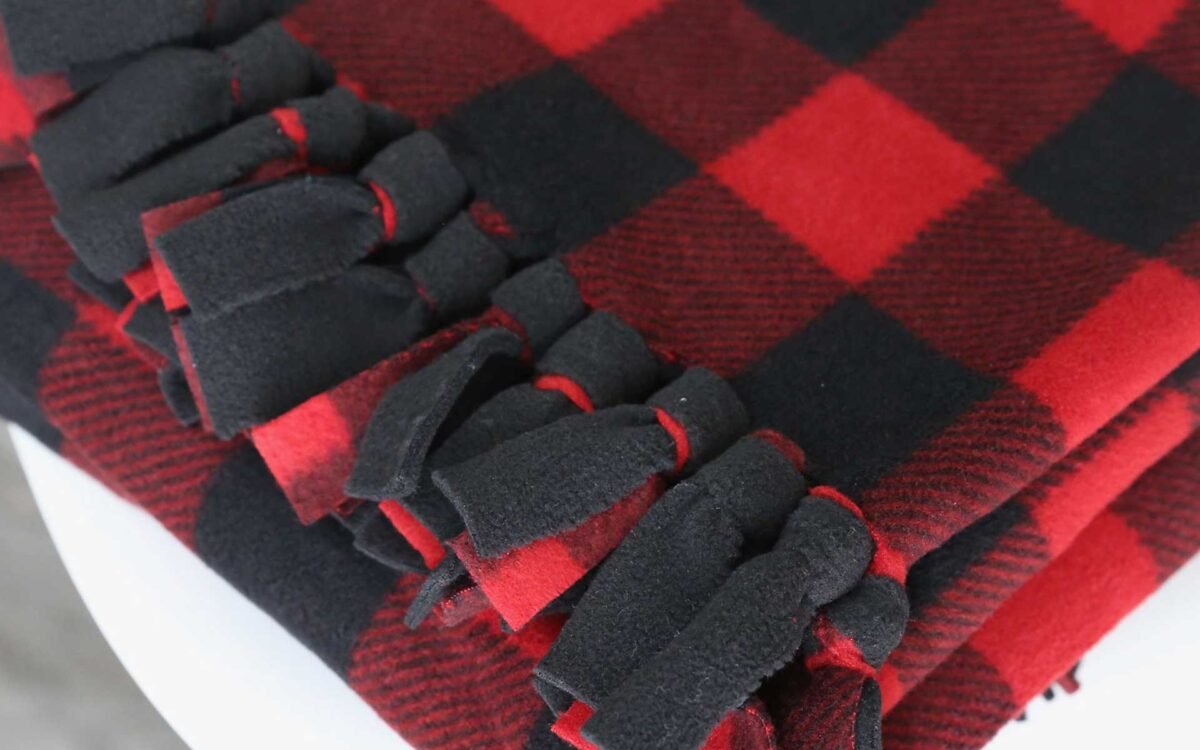
The Best Fleece Tie Blanket Material: How to Choose and Make Your Own
A fleece tie blanket is one of the easiest and most popular DIY projects for beginners. It requires no sewing, minimal tools, and can be completed in just a couple of hours. Because of this, millions of people search online for tutorials, often asking questions like: What is the best fleece tie blanket material? What type of blanket fabric should I buy? Is the fleece from stores like Michaels good for blankets? In this guide, we’ll walk you through how to choose the right fleece fabric and how to make a durable tie blanket step by step.
Is Fleece Good Quality? How to Spot High-Quality vs. Cheap Fleece Material
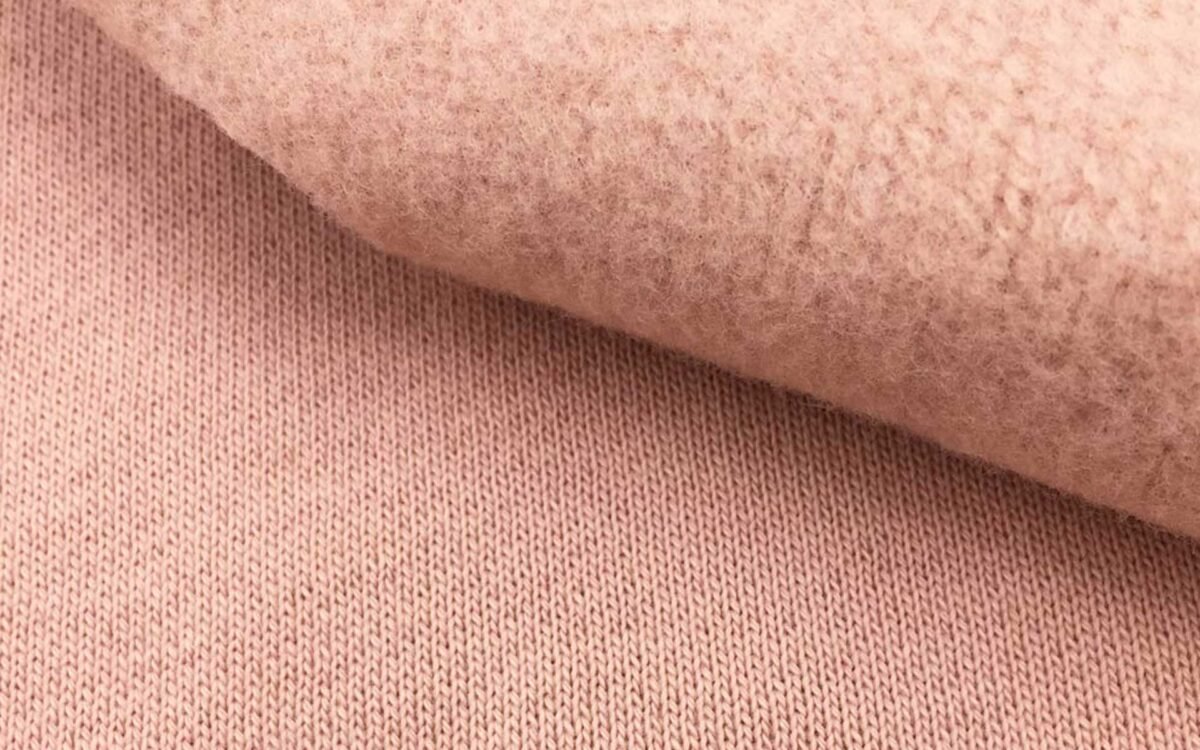
Fleece has become one of the most popular fabrics for jackets, blankets, and winter clothing. It’s warm, lightweight, and incredibly soft. But many shoppers still ask the same question: Is fleece good quality? The answer depends entirely on how the fleece fabric material is produced. Some fleece fabrics are thick, durable, and long-lasting, while others are thin, prone to pilling, and lose their softness quickly. In this guide, we’ll explain how to identify high-quality fleece vs. cheap fleece material, so you can confidently choose the right fabric for clothing, outdoor gear, or home textiles.
What is Polar Fleece Fabric? Why It’s the Gold Standard for Outdoor Gear
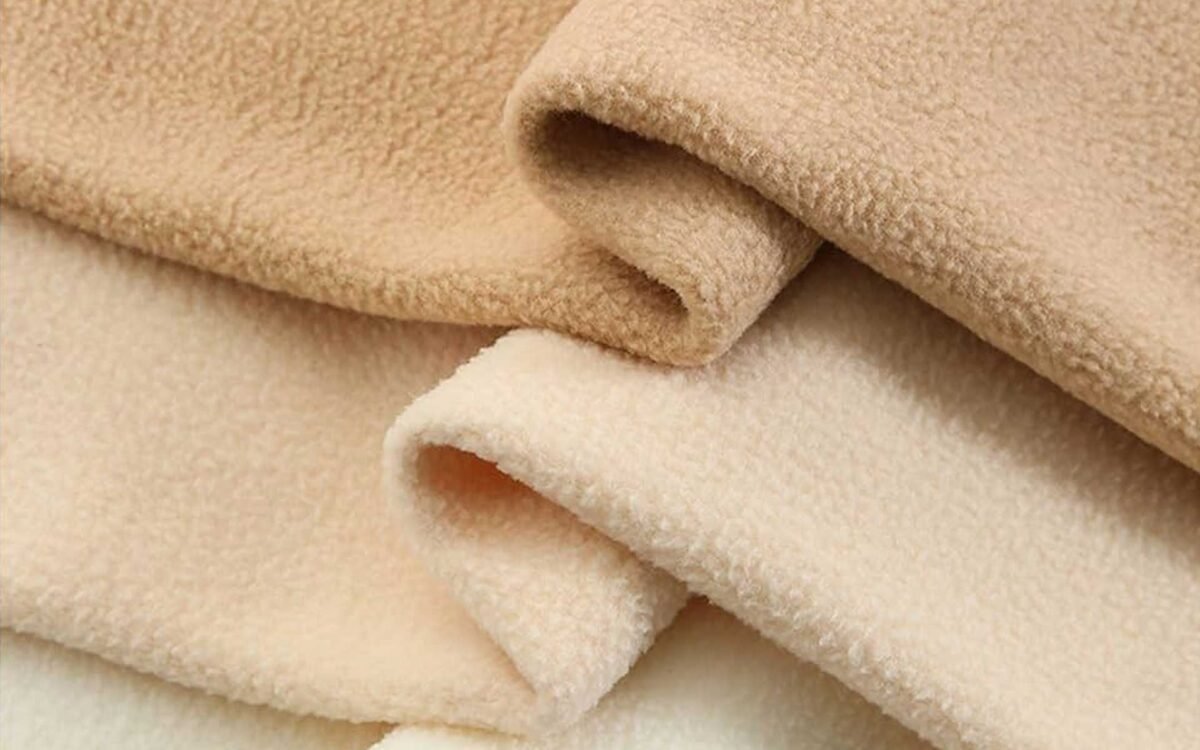
When it comes to warm, lightweight outdoor fabrics, few materials are as widely trusted as polar fleece fabric. From hiking jackets to winter blankets, polar fleece has become the gold standard for outdoor gear thanks to its ability to provide exceptional warmth without the weight of traditional wool. But what exactly is polar fleece, and why do outdoor brands rely on it so heavily? In this guide, we’ll explore what polar fleece fabric is, how it works, and why it performs so well in cold-weather clothing and gear.
What is Fleece Fabric? A Complete Guide to Types, Uses, and Warmth
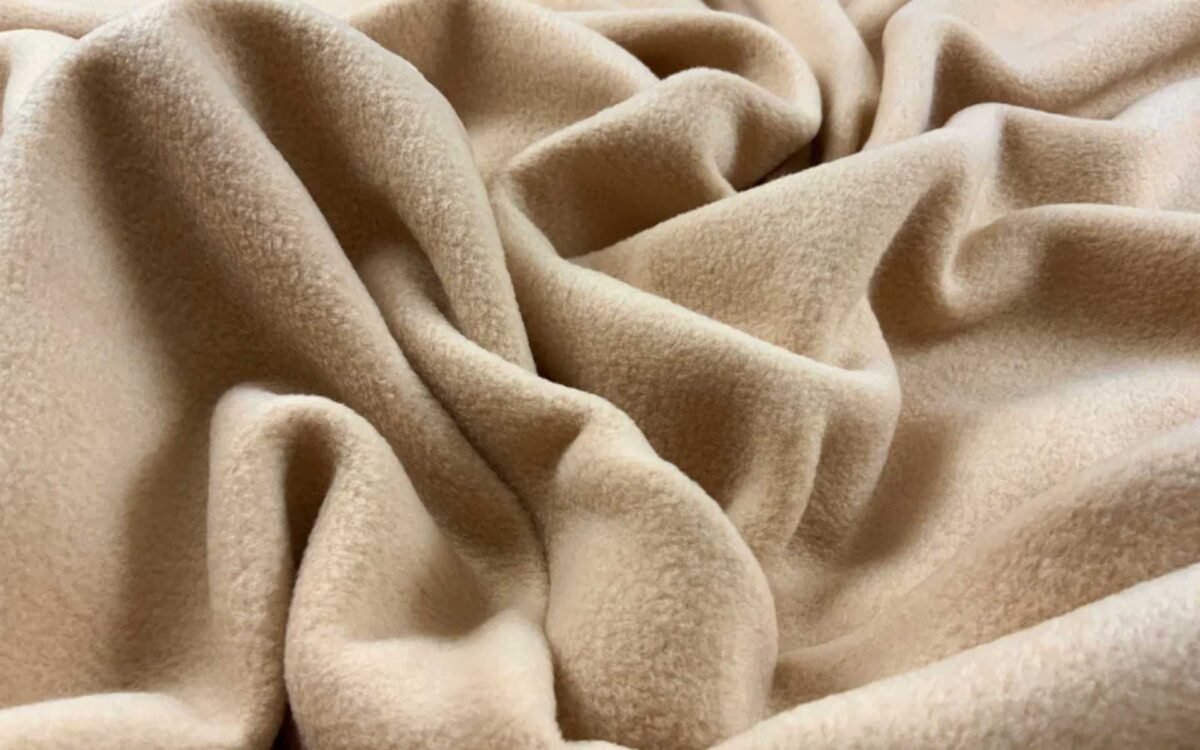
Fleece fabric is one of the most popular modern textiles for warm clothing, blankets, and outdoor gear. Known for its soft texture, lightweight feel, and excellent insulation, fleece has become a go-to alternative to traditional wool.In simple terms, fleece fabric is a synthetic textile made primarily from polyester fibers that are brushed to create a soft, fluffy surface. This structure traps warm air, making fleece extremely effective at retaining heat while remaining breathable.In this guide, we’ll explore what fleece fabric is made of, how it’s produced, its different types, and the many ways it’s used in everyday products.