
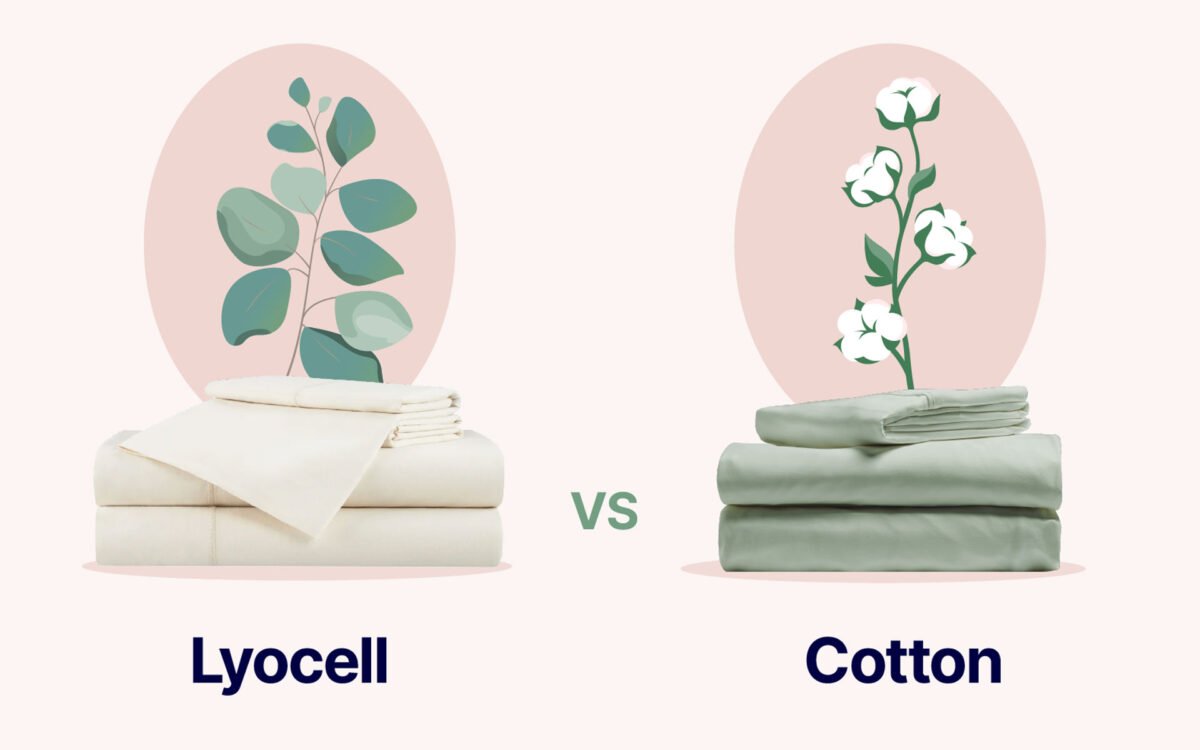
Lyocell vs Cotton vs Viscose: Which Fabric Is Actually Better?
If you're comparing fabrics for bedding, clothing, or sewing projects, you’ve probably searched terms like lyocell vs cotton, lyocell vs viscose, or even asked, is lyocell better than cotton? The truth is: each fabric has strengths and trade-offs. The “better” choice depends on your priorities — comfort, durability, skin sensitivity, or sustainability. This guide breaks down the real differences so you can make an informed decision.
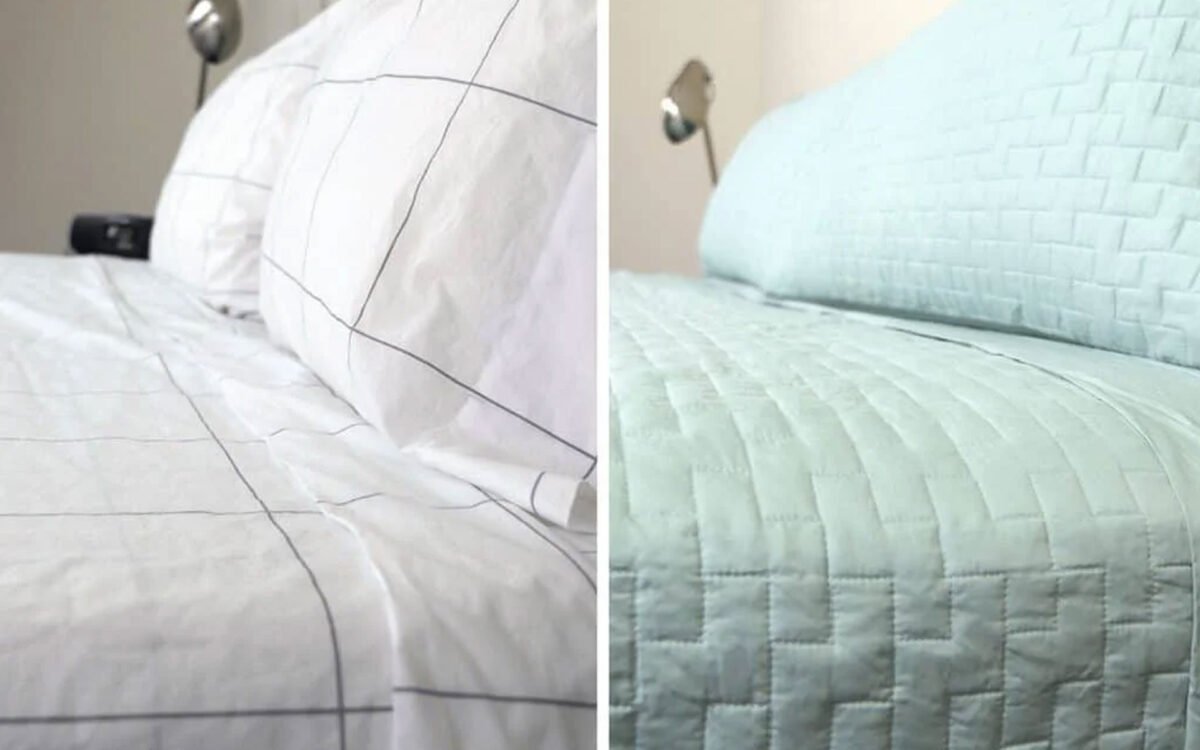
Tencel vs Cotton: Which Fabric Is Right for Your Lifestyle?
If you are shopping for new bedding or a summer wardrobe, you’ve likely hit the ultimate debate: Tencel fabric vs. cotton. Cotton has been the king of textiles for centuries, but Tencel lyocell is the modern challenger promising more softness, better cooling, and superior sustainability. So, is Tencel better than cotton, or is the classic natural fiber still the safest bet? Let’s break down the performance, feel, and care requirements to find your perfect match.
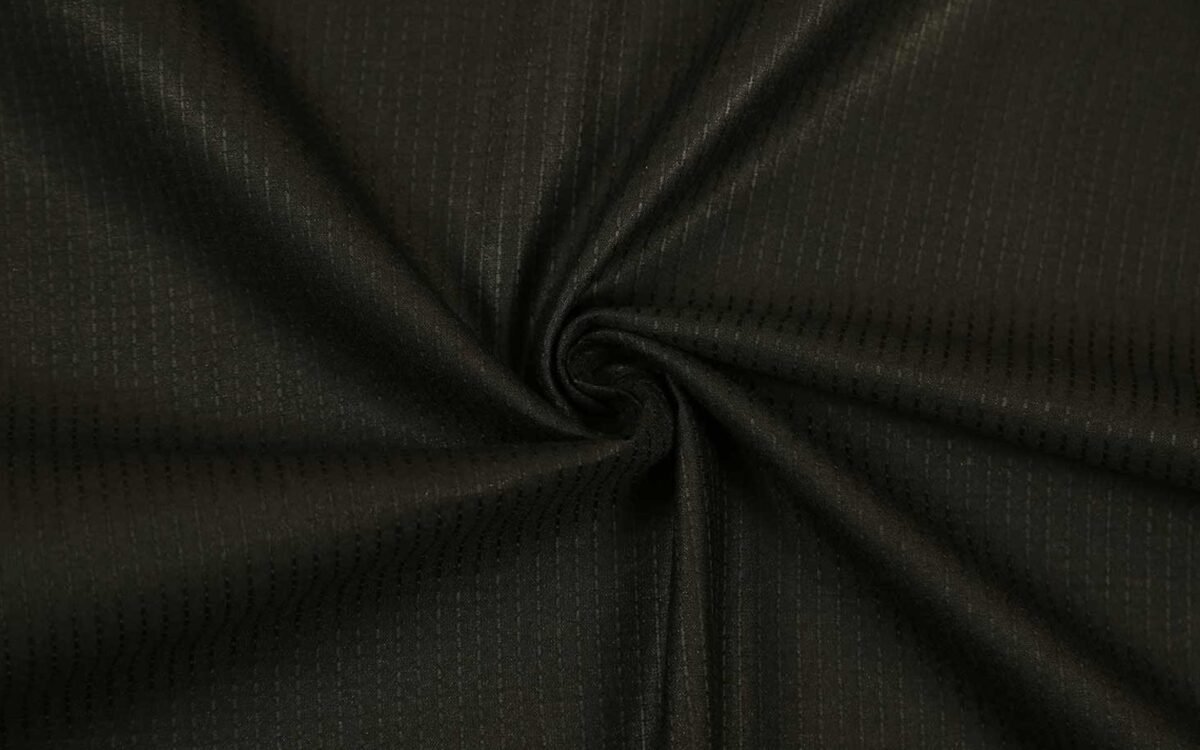
Modern Minimalism & Retro Revival: A Color and Print Guide for Cotton Fabrics
When it comes to cotton fabric material, color is the first thing we notice, but the print tells the story. In 2026, the trend landscape is a fascinating mix of "Quiet Luxury" neutrals and high-energy "Technicolor" revivals. Whether you are sourcing for a minimalist capsule wardrobe or a bold upholstery project, choosing the right hue and pattern is a strategic decision. This guide explores the essentials—from the purity of white cotton fabric to the intricate artistry of batik cotton.
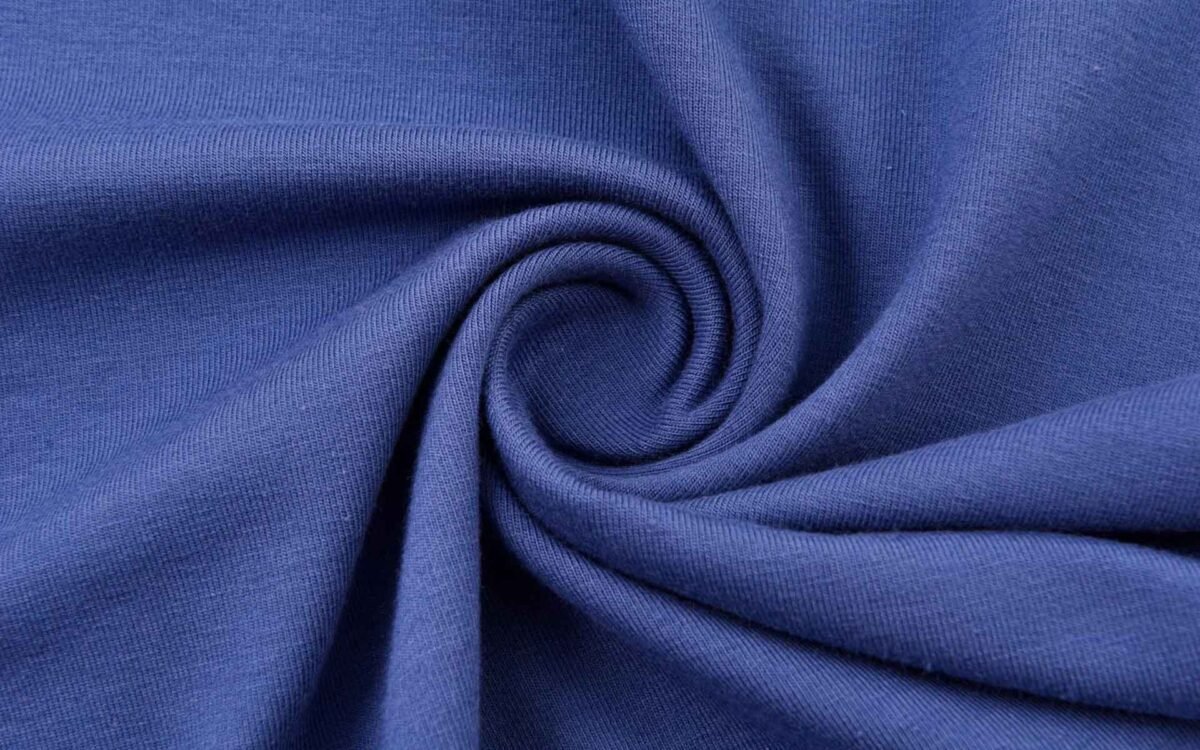
Nature vs Technology: A Deep Dive into Organic, Recycled, and Hybrid Cotton Blends
In the modern textile market, the choice is no longer just "100% Cotton." Today’s buyers are caught between the desire for sustainability and the need for high-performance functionality. From the eco-conscious appeal of organic cotton fabric to the industrial strength of a cotton and polyester blend, understanding these hybrids is essential for making a high-value investment. This article evaluates how natural fibers and modern technology compete—and collaborate—to create the next generation of textiles.
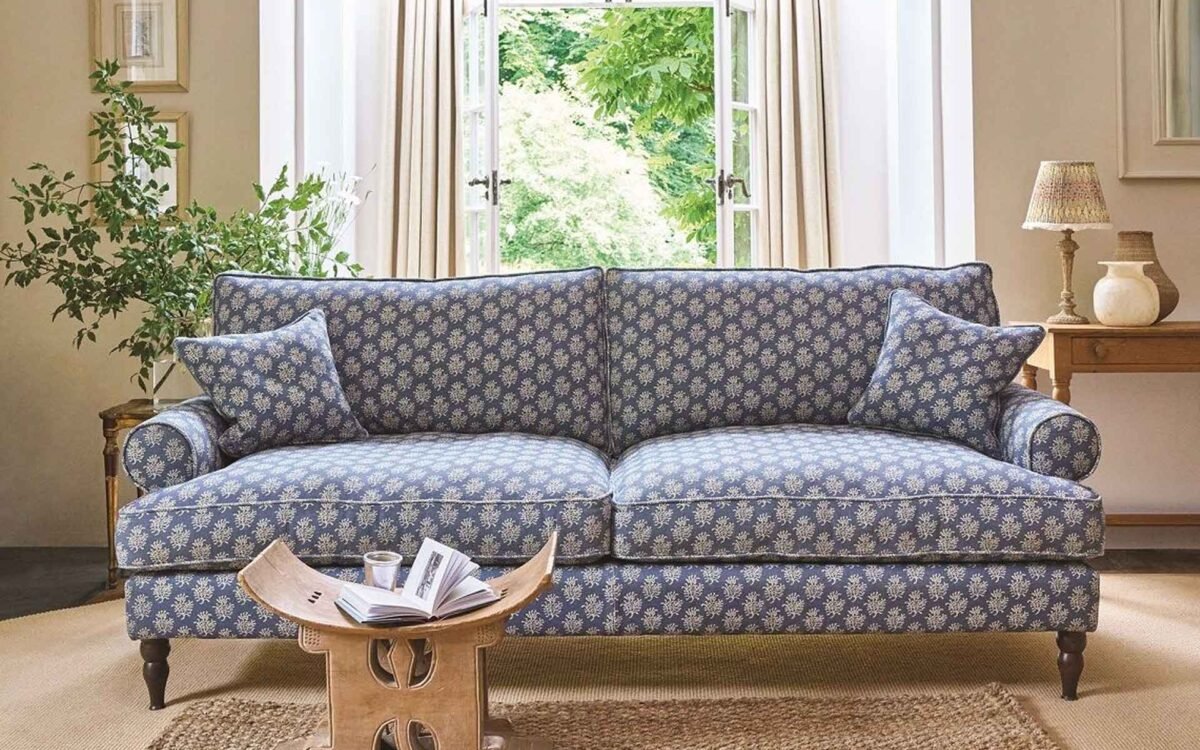
How to Choose the Right Cotton Fabric: A Masterclass for Sewing, Upholstery, and Quilting
Not all cotton is created equal. Using a delicate cotton voile to recover a sofa would result in a tear within days, while using heavy duck cloth for a summer blouse would feel like wearing a cardboard box. To achieve professional results, you must match the fabric's technical properties to its intended use. This guide breaks down the three pillars of cotton application: Apparel, Home Decor, and Quilting.
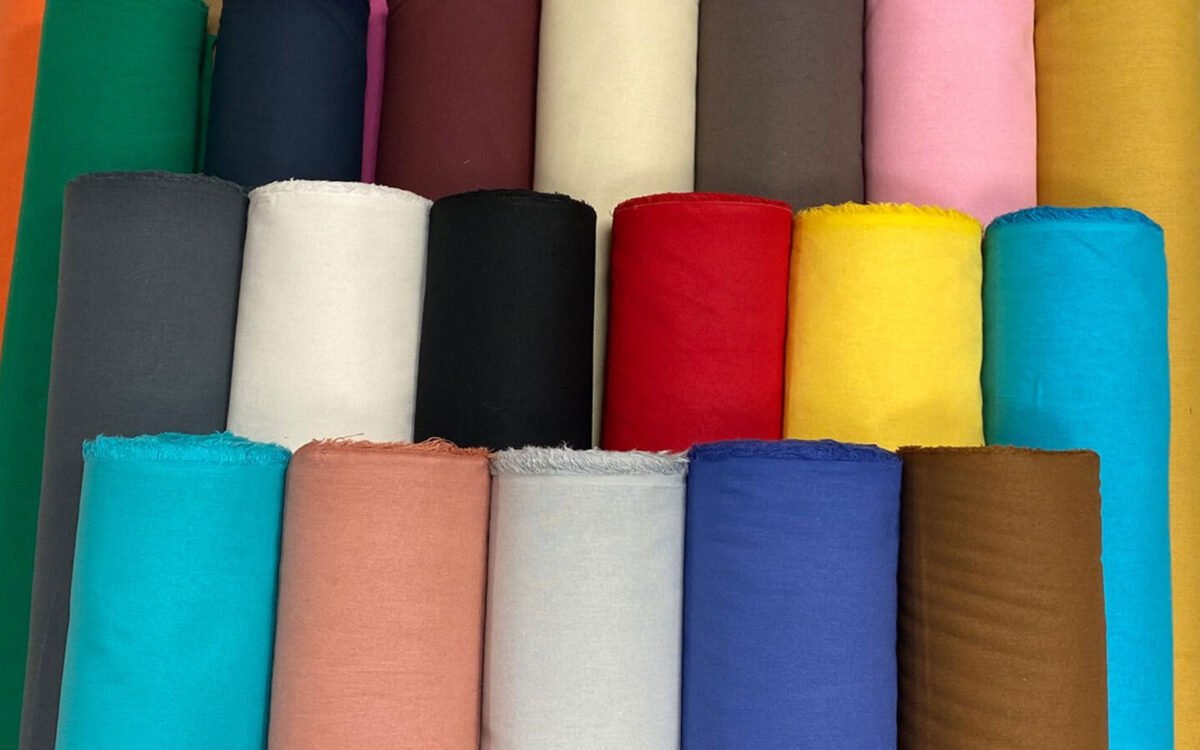
Poplin, Muslin, and Canvas: The Complete Guide to 12 Essential Cotton Weaves
Choosing the right cotton fabric material isn’t just about the fiber; it’s about the weave. The way the threads intersect determines whether a fabric is crisp enough for a tuxedo shirt, soft enough for a baby’s skin, or tough enough for an outdoor tent. In this guide, we break down the most popular professional terms—from poplin cloth to duck canvas—to help you select the perfect textile for your specific project.
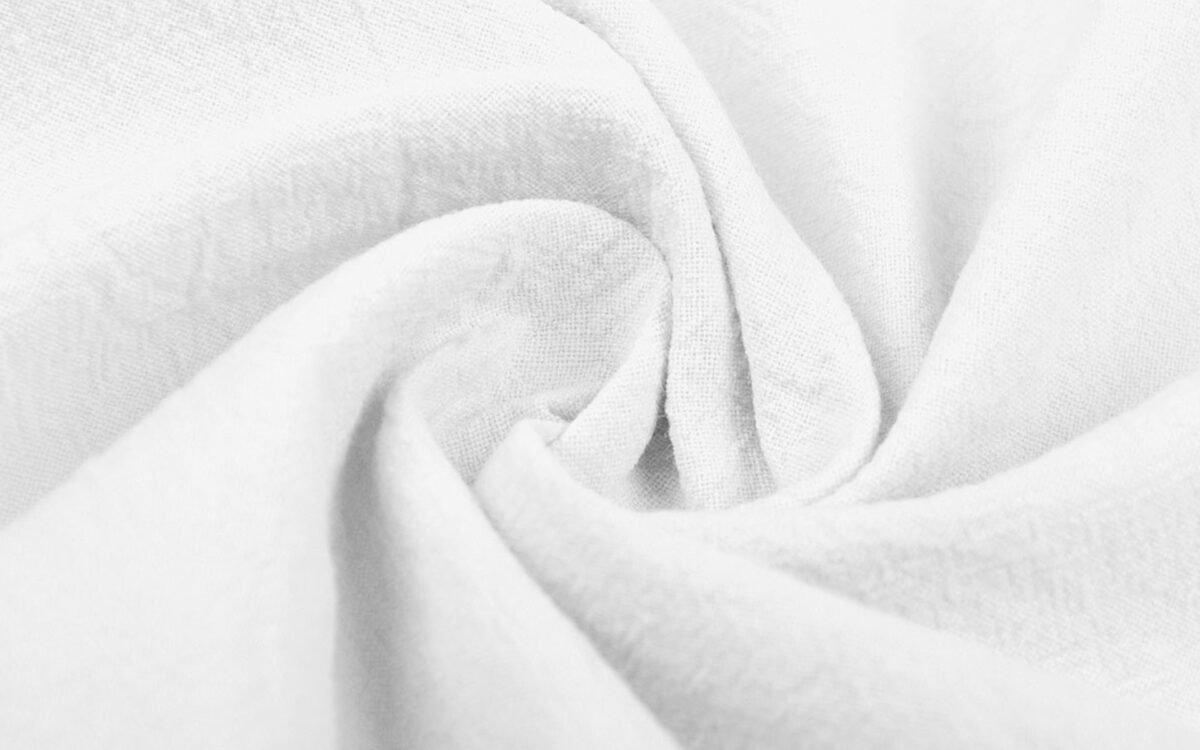
The Ultimate Guide to 100% Cotton Fabric: From Basic to Extra-Long Staple
In the textile world, cotton fabric is the most widely used and respected natural fiber. However, when you search for 100 cotton fabric, you will notice a massive price range—from a few dollars to hundreds of dollars per yard. Why is there such a huge difference in feel and price for materials that are both labeled "100% cotton"? This guide dives deep into the quality of cotton fabric material to help you understand terms like Combed Cotton, Mercerized Cotton, and the legendary Extra-Long Staple (ELS) cotton.
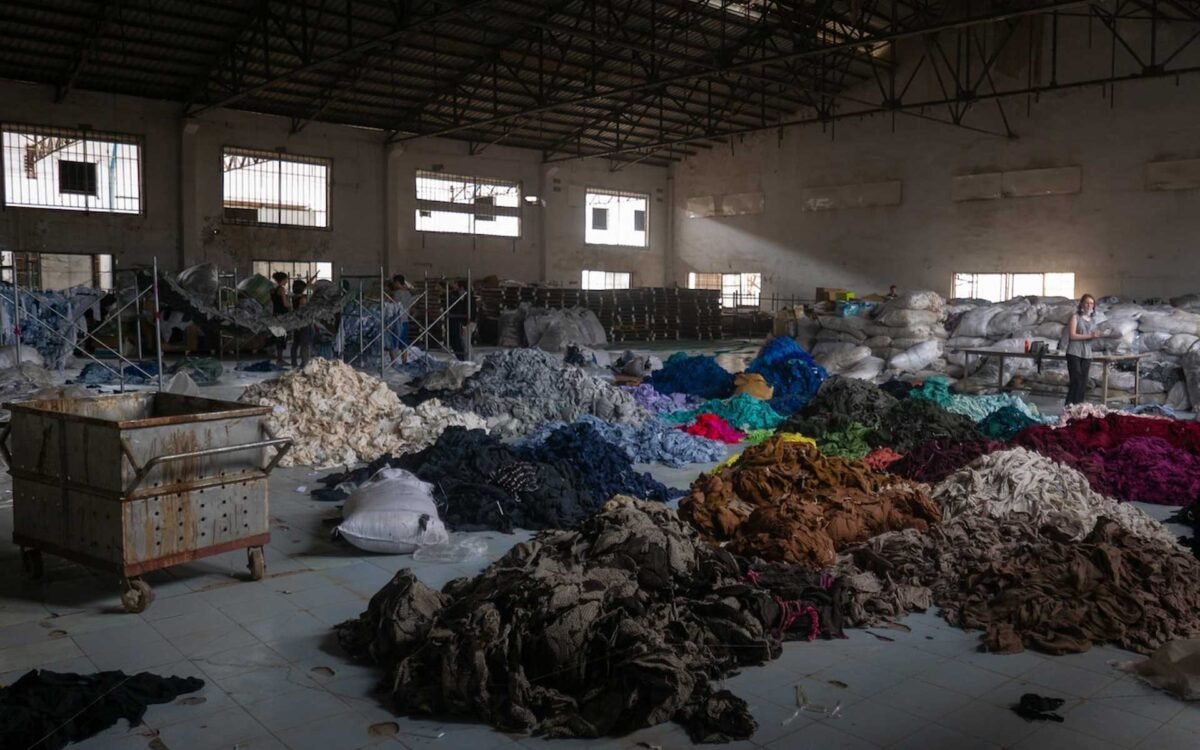
Biodegradable and Breathable: Why Cotton Fiber and Animal Wool Still Rule the Industry
In an era dominated by fast fashion and the overuse of synthetic fibers, the textile industry is facing unprecedented environmental challenges. This article takes an in-depth look at the central role of cotton fiber and wool fiber in sustainable development. By comparing the long-term environmental impact of synthetic materials, we explore why natural fibers remain the future of the industry.

The Versatility of Natural Fibers: Common Uses of Wool and Cotton Cloth
Natural fibers like cotton and wool are the backbone of the textile industry, offering a range of properties that synthetic materials simply cannot replicate. This article explores the diverse uses of wool and cotton cloth, from everyday apparel to specialized industrial applications. By understanding what wool is used for and how cotton's breathability makes it ideal for home decor, businesses and designers can better select the right materials for their specific needs. TextileCloth.com provides a comprehensive, one-stop solution for these high-quality natural fibers, catering to fashion, home, and industrial sectors.
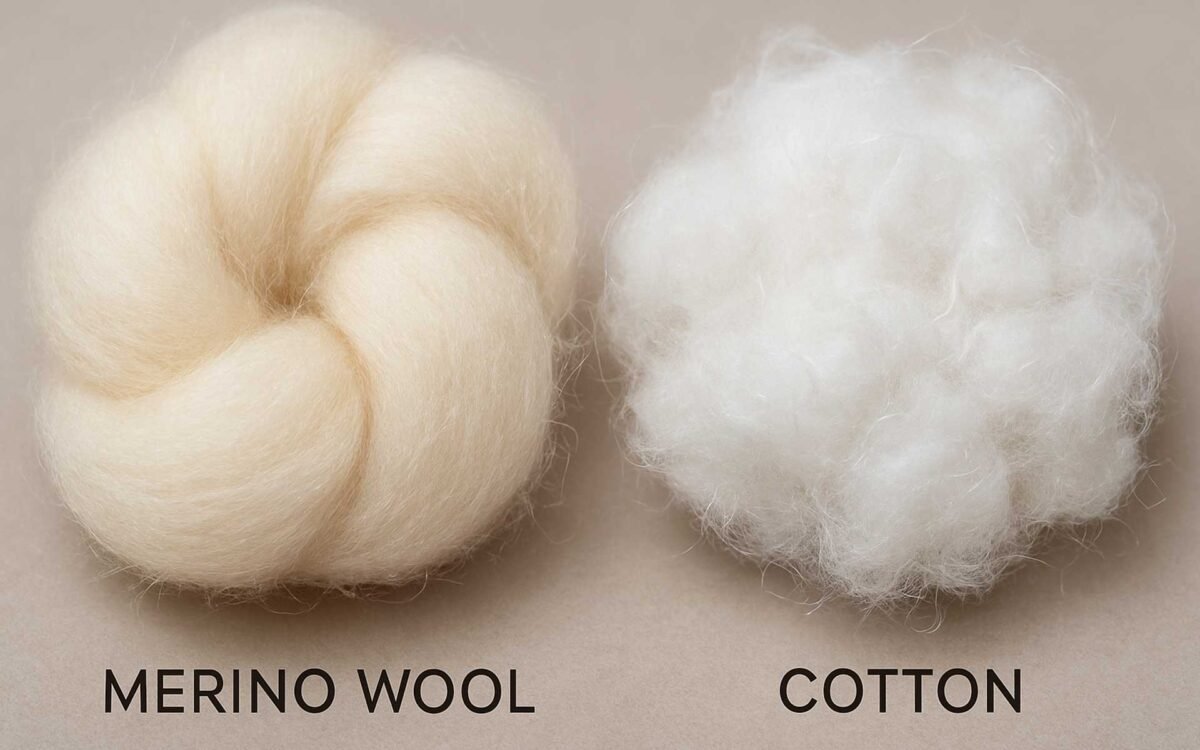
Cotton Yarn vs Wool Yarn: Choosing the Right Material for Your Next Project
Choosing between cotton yarn and wool yarn for knitting is one of the most critical decisions for any textile project. This comparison guide breaks down the physical properties of these two natural fibers—highlighting cotton's breathability and wool's insulating loft. By understanding how wool threads for knitting behave differently from cotton fibers in various climates, designers and DIY enthusiasts can make informed choices. The article also provides a professional alternative for small studios: using high-quality knitted fabrics from TextileCloth.com to achieve superior texture consistency and production efficiency compared to manual knitting.
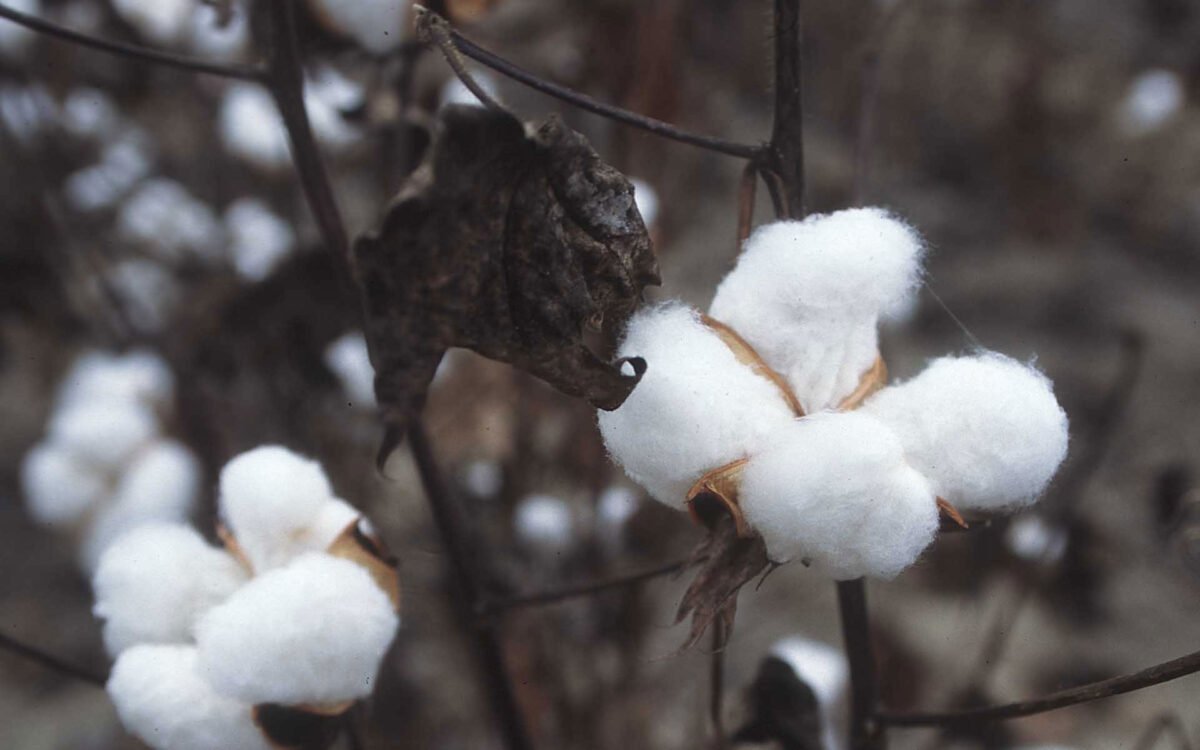
Nature’s Best: Where Does Cotton and Wool Come From?
In a market saturated with synthetic alternatives, natural fibers remain the soul of high-quality textiles due to their superior breathability, sustainability, and skin-friendly touch. But have you ever stopped to wonder: Where does cotton come from? And which animals with wool provide us with that essential winter warmth?
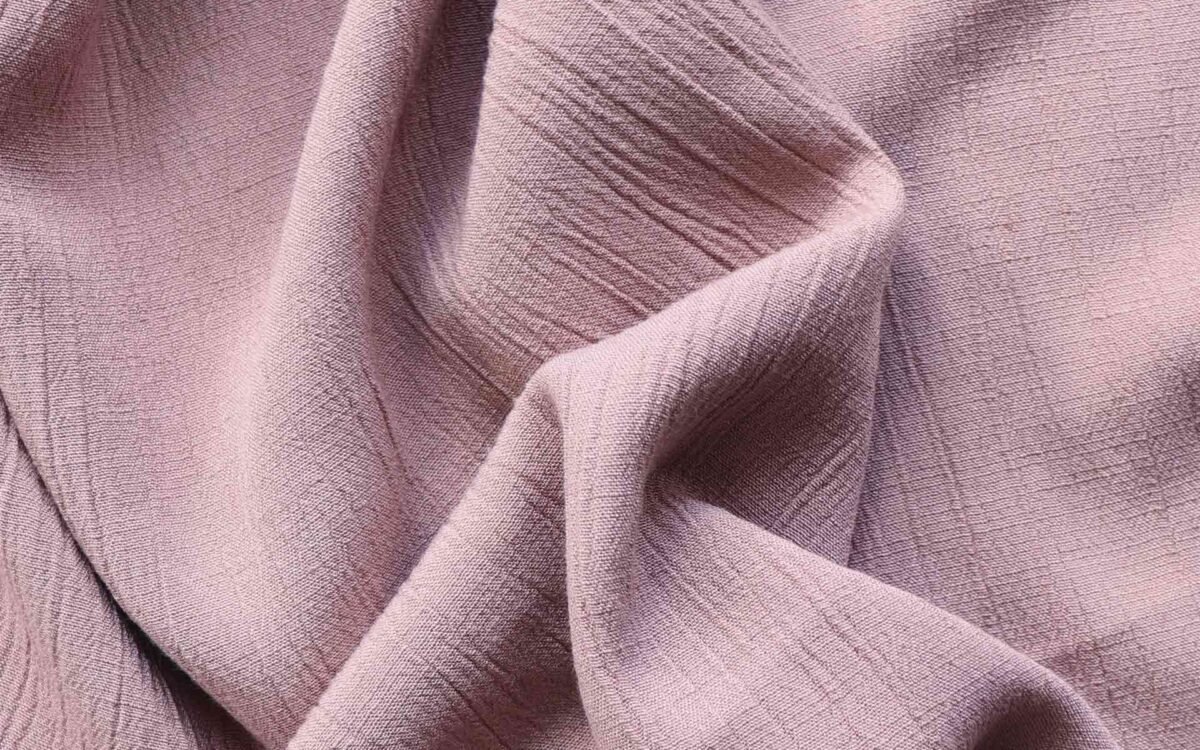
Viscose Blends: The Benefits of Linen-Viscose and Cotton-Viscose Fabrics
Discover why viscose blends dominate the fashion industry. From wrinkle-resistant linen-viscose to durable poly-viscose (TR) for suits, learn the benefits of these commercial textile powerhouses.
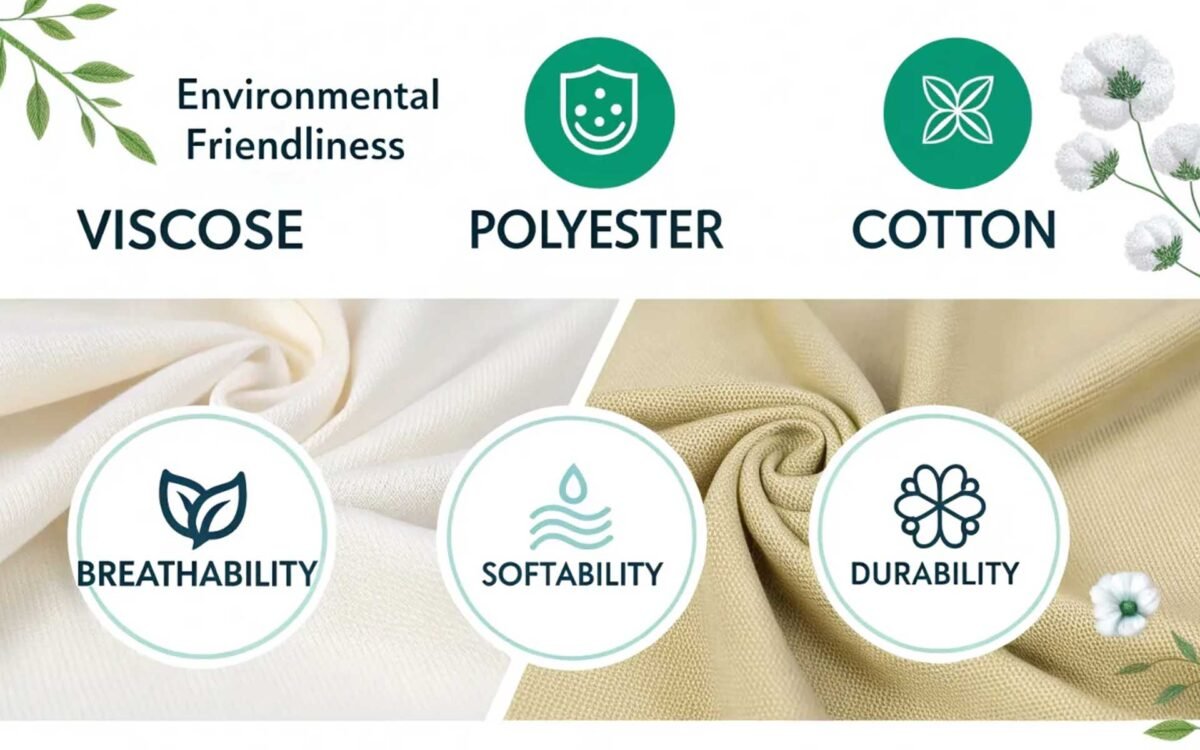
Viscose vs Polyester vs Cotton: How to Choose the Right Fabric
When faced with viscose, polyester, and cotton, how should you choose? This article provides a side-by-side comparison of breathability, drape, and durability, revealing the unique advantages of viscose and how it differs from other common fabrics.
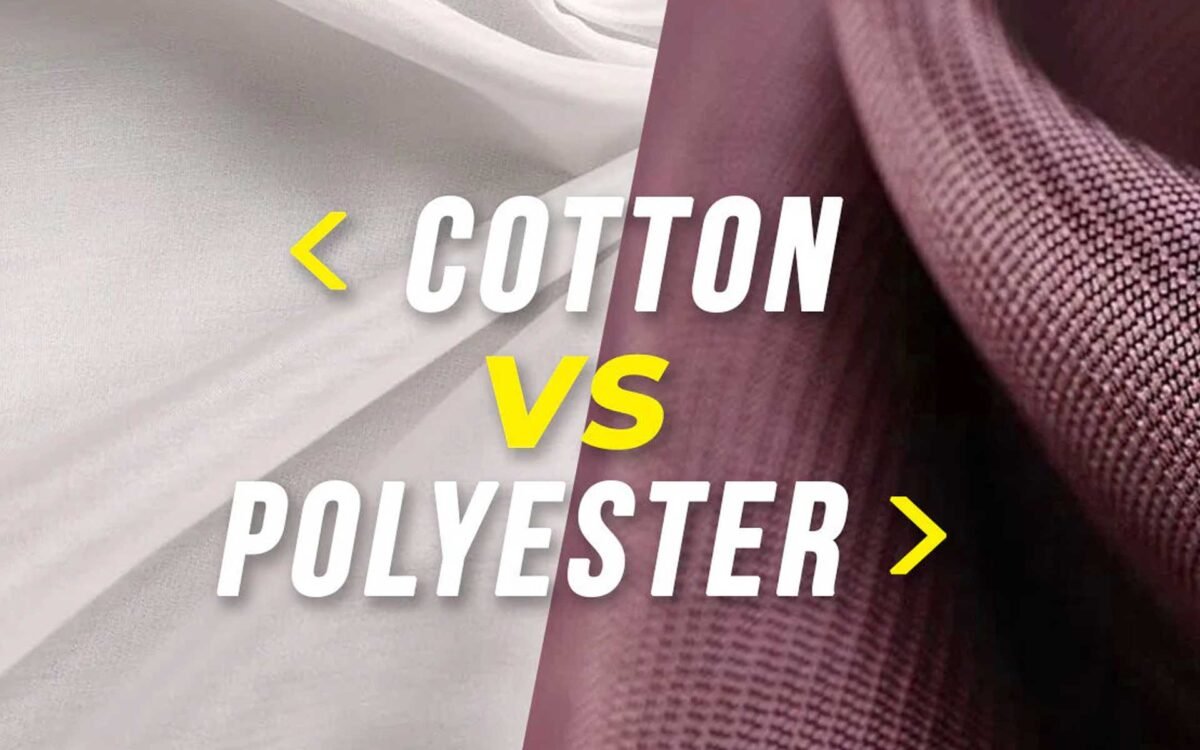
Polyester vs Cotton: Which Fabric Should You Choose for 2026?
Polyester vs. Cotton: Which is better for your project in 2026? Compare breathability, durability, and cost. Plus, why 65/35 poly-cotton blends are the ultimate industry secret.
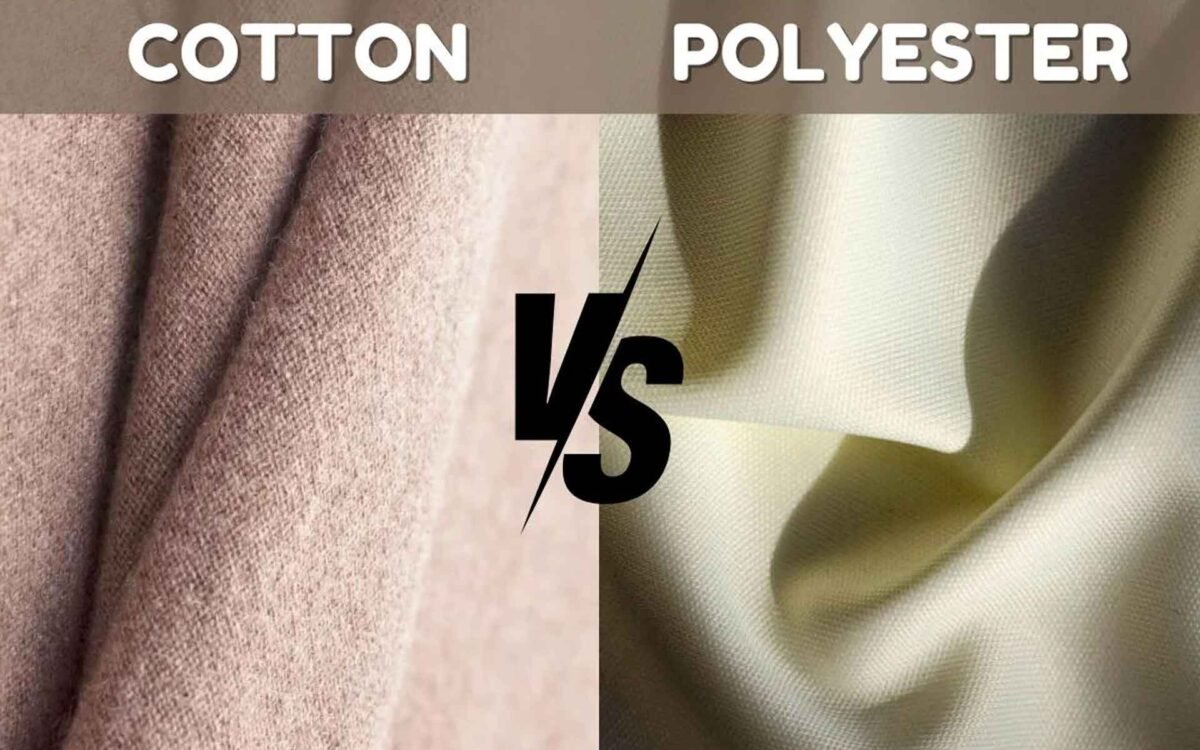
Fabric Showdown: Polyester vs Cotton vs Nylon
Struggling to choose the right fabric? This ultimate guide compares Polyester v Cotton and Polyester v Nylon to reveal the pros and cons of each. Discover why a Cotton Polyester Blend might be the perfect middle ground for your next project.