
In a market saturated with synthetic alternatives, natural fibers remain the soul of high-quality textiles due to their superior breathability, sustainability, and skin-friendly touch. But have you ever stopped to wonder: Where does cotton come from? And which animals with wool provide us with that essential winter warmth?
Understanding the origins of these fibers not only deepens your appreciation for textiles but also helps you identify true quality.
1. The Origin of Cotton: From Seed to Fiber
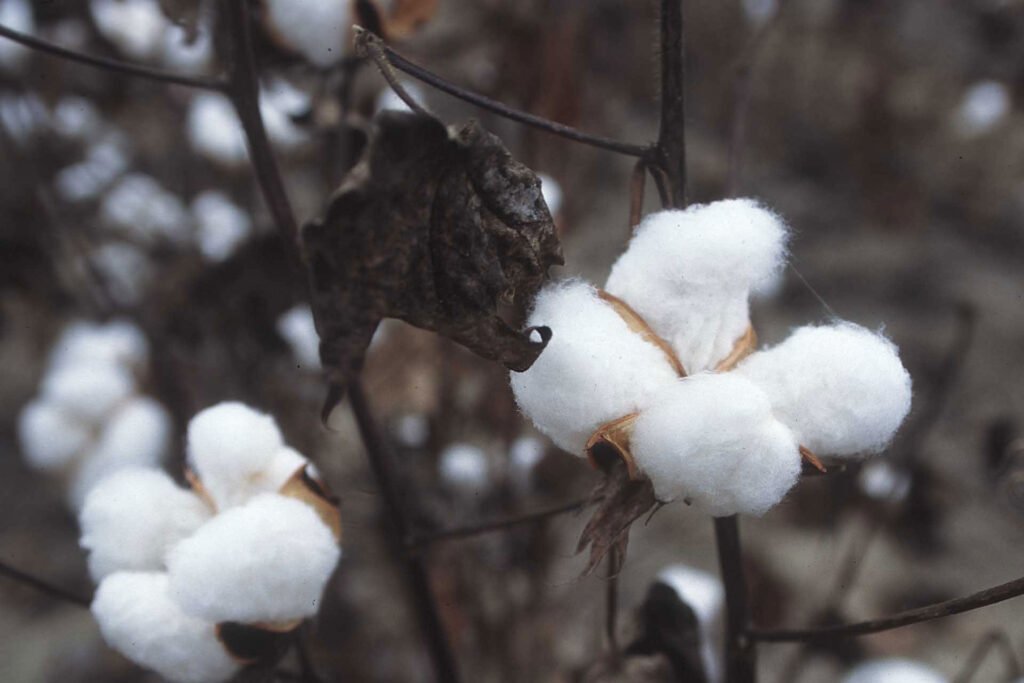
where does cotton come from
Cotton is the most widely used natural fiber in the world. Unlike wool, it is entirely plant-based.
-
Plant Source: Cotton fibers grow around the seeds of the cotton plant (Gossypium), forming a protective 'boll.'
-
Description of Cotton: When the cotton boll matures and bursts open, it reveals the white, fluffy raw fibers. These fibers are primarily composed of cellulose, providing natural moisture absorption and durability.
-
Harvesting and Processing: After picking and ginning (separating seeds from fiber), these fine cotton fibers are spun into yarn and ultimately woven into the versatile fabrics we use every day.
2. The Source of Wool: Beyond Just Sheep
When discussing wool from animals, most people immediately think of sheep. However, the variety of animals that provide this precious fiber is much broader than you might imagine.
-
Sheep: The primary source. Beyond the famous Merino, many breeds provide wool of varying fineness and staple lengths.
-
Goats: The world-renowned Cashmere comes from the soft undercoat of specific goats, while Mohair is sourced from the Angora goat.
-
Other Animals with Wool: Alpacas, camels, and even certain breeds of rabbits (Angora) fall into the category of providing animal wool.
These animals have evolved hair with a natural crimp and scale structure that traps air, providing unparalleled insulation.
3. The Lifecycle: From Farm to Fabric
From the farm to your wardrobe, natural fibers undergo a remarkable transformation. This process typically includes:
-
Cultivation and Growth: Relying on sunlight, rain, and fertile soil (or quality pasture).
-
Harvesting: The picking of cotton or the shearing of animal coats.
-
Refining and Cleaning: Removing natural impurities like cotton seeds or lanolin.
-
Spinning: Aligning, drawing, and twisting fibers into strong yarns.
-
Weaving/Knitting: The final stage where yarns become fabrics with diverse textures.
4. Why Traceability Matters
Not all natural fabrics are created equal. In an era where transparency is highly valued, knowing exactly where your cloth comes from is vital for both brands and consumers.
At TextileCloth.com, we believe that nature has already provided the finest raw materials. That’s why we created our 'Natural Fabric Zone,' focusing exclusively on 100% natural textiles.
-
100% Pure & Natural: We reject blends with low-quality synthetics, preserving the original physical properties of cotton and wool.
-
Full Traceability: Our supply chain is transparent, ensuring every yard of fabric comes from healthy farms and responsible production lines.
Choosing natural fabrics is not just about comfort; it’s about supporting a sustainable lifestyle. When you touch our high-density cotton or pure wool textiles, you aren't just feeling a fabric—you are feeling a gift from nature.