
Batik is a beautiful wax-resist art form that allows you to create intricate patterns on fabric or paper. Whether you're exploring batik making for the first time or looking for an easy project for kids, this step-by-step guide will walk you through the tools, materials, and creative variations you need to get started.
This tutorial focuses on practical, beginner-friendly methods—perfect for anyone searching for “batik easy” techniques.
What Is Batik Making?
Batik is a resist-dye technique where melted wax is applied to fabric (or paper) to block dye from penetrating certain areas. After dyeing, the wax is removed, revealing beautiful patterns formed by contrast.
Traditional batik is most commonly practiced in Indonesia and Malaysia, but today it’s enjoyed worldwide as both a craft and fine art technique.
Essential Tools for Batik Art
1. Tjantings (Wax Pens)
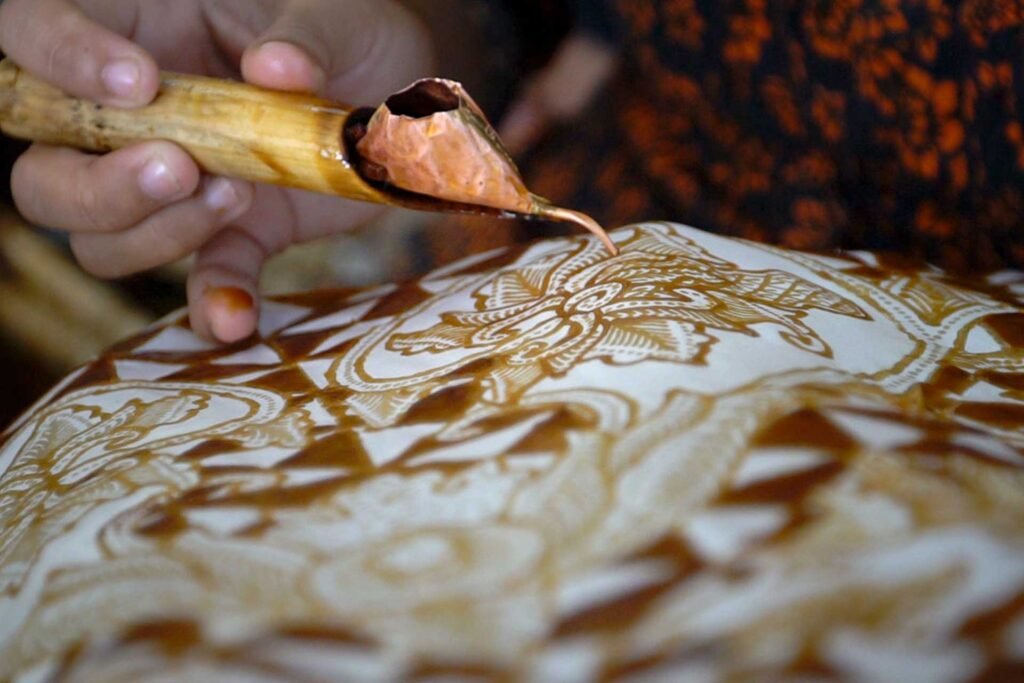
Tjantings
Tjantings (also spelled canting) are small pen-like tools used to draw hot wax onto fabric.
How they work:
-
The small copper reservoir holds melted wax.
-
A spout allows wax to flow in controlled lines.
-
Different spout sizes create fine or bold lines.
Beginner tip:
Start with a medium spout size. Keep the wax warm—but not smoking hot—to maintain smooth flow.
2. Batik Block (Stamping Method)
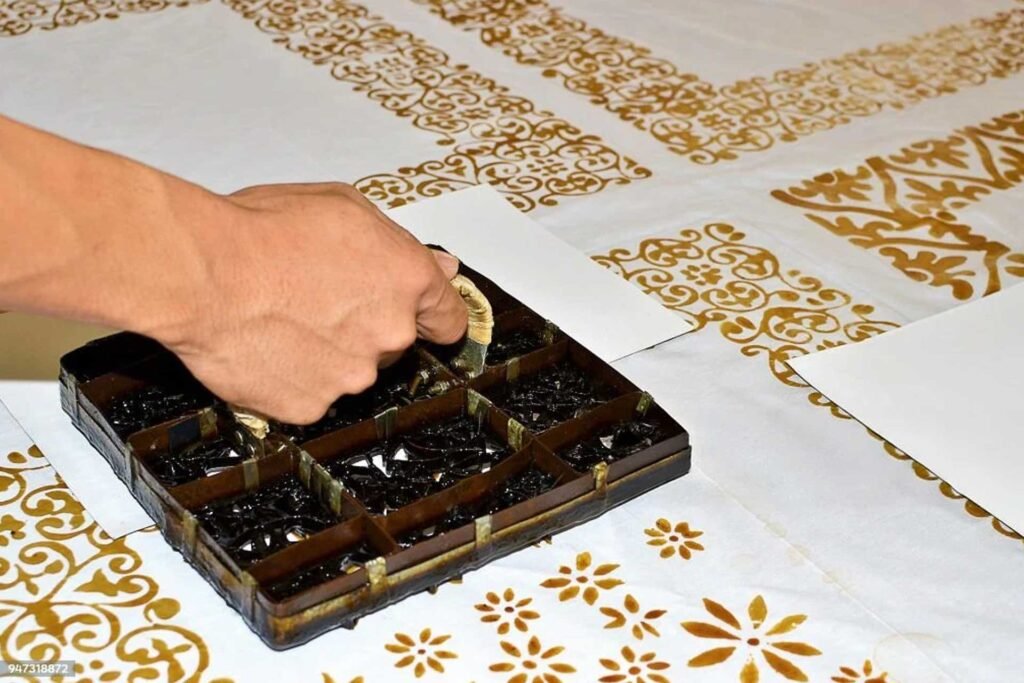
A batik block (also called cap) is a copper stamp used to press wax patterns onto fabric.
Why beginners love it:
-
Faster than freehand drawing
-
Produces symmetrical, repeating patterns
-
Easier for children and group workshops
Simply dip the stamp into melted wax and press firmly onto the fabric.
Materials You’ll Need
Before starting batik painting on fabric, gather the following:
Fabric
-
Batik cotton fabric (100% cotton works best)
-
Pre-washed to remove sizing
-
Ironed flat
Wax
-
Paraffin wax (creates crackle effect)
-
Beeswax (smoother lines)
-
Many artists mix both for balance
Dyes or Paints
-
Fiber-reactive dyes (traditional method)
-
Fabric dyes
-
For beginners: fabric paints or batik watercolor sets
Other Supplies
-
Brush (for batik painting style)
-
Pot or wax heater
-
Newspaper or cardboard (to protect surfaces)
-
Iron (for wax removal)
Step-by-Step: Traditional Batik on Fabric
Step 1: Prepare Your Workspace
Cover your table. Keep wax heated safely using a double boiler or wax pot.
Step 2: Sketch Your Design
Lightly draw your pattern in pencil on the fabric.
Step 3: Apply Wax
Use a tjanting for fine lines or a batik block for repeated motifs.
Allow wax to cool and harden.
Step 4: Apply Dye
Brush or dip fabric into dye. Areas covered in wax will resist the color.
Let it dry completely.
Step 5: Remove the Wax
Place paper towels over the fabric and iron. The heat melts the wax, which is absorbed into the paper.
Reveal your final design!
Creative Variations for Beginners
If you’re looking for easier or alternative methods, here are creative adaptations.
Batik Painting (Brush Technique)
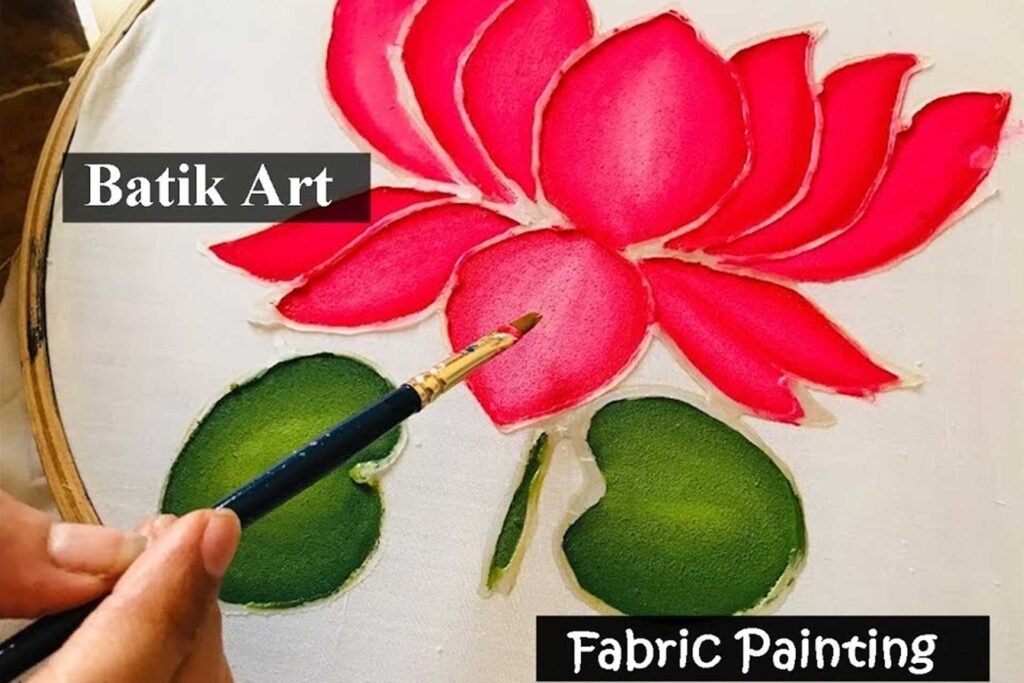
Instead of dipping fabric into dye, you can try batik painting on fabric using brushes.
This method:
-
Feels more like watercolor painting
-
Allows gradient effects
-
Works beautifully with batik watercolor paints
Apply wax outlines first, then paint inside the sections.
Batik on Paper (Great for Kids)
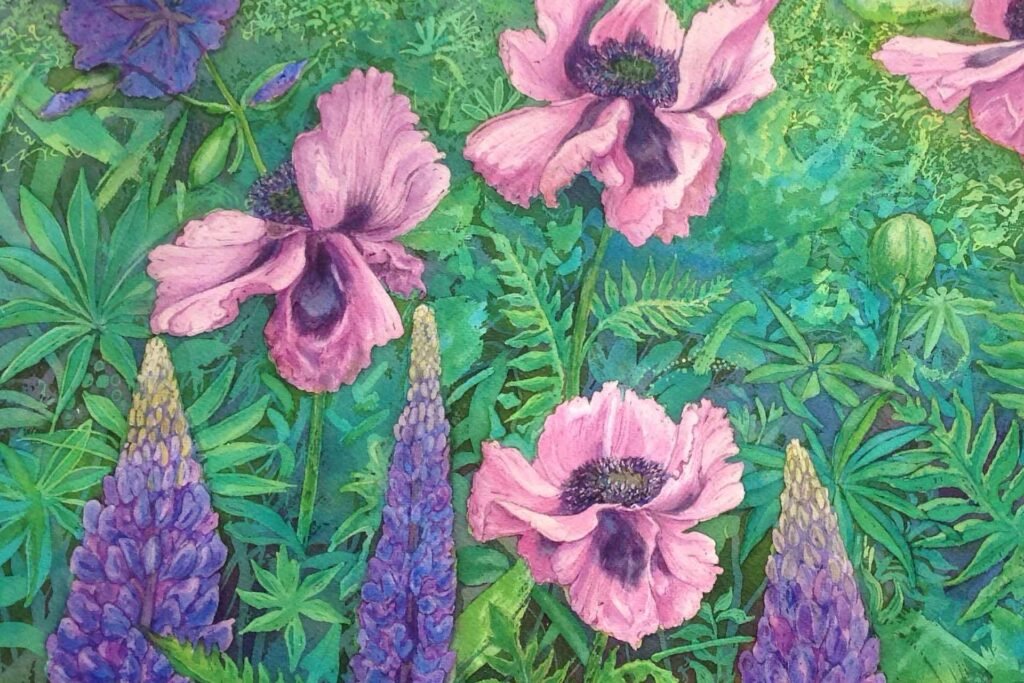
Batik on paper
Batik on paper is perfect for classrooms and beginners.
Easy Crayon Batik Method:
-
Draw a design using crayons (press firmly).
-
Paint over with watercolor.
-
The wax in crayons resists the paint.
No hot wax required—safe and simple!
Using Batik Glue (No Heat Alternative)
For those who prefer not to use hot wax, batik glue offers a safer alternative.
-
Apply glue from a squeeze bottle.
-
Let it dry completely.
-
Paint over with dye or watercolor.
-
Wash off glue after drying.
Ideal for children or home projects.
Batik Easy: Beginner Tips
If you're new to batik making, keep these practical tips in mind:
✔ Start small (scarves or paper sheets)
✔ Choose simple geometric designs
✔ Test wax temperature before applying
✔ Work in layers—light colors first, dark colors last
✔ Expect imperfections—they add character
For children:
-
Use crayons instead of hot wax
-
Try bold shapes instead of intricate patterns
-
Focus on creativity rather than precision
Common Beginner Mistakes (And How to Avoid Them)
Wax too hot?
It spreads uncontrollably. Lower the temperature.
Dye bleeding under wax?
Ensure wax fully penetrates fabric.
Fabric too thick?
Use lightweight cotton for best results.
Final Thoughts
Batik is both relaxing and expressive. From traditional tjanting techniques to modern batik watercolor painting and simple batik on paper projects, there’s a method for every skill level.
Whether you're creating fine art, teaching children, or exploring a new hobby, batik offers endless creative possibilities.
Start simple. Experiment freely. And most importantly—enjoy the process.