
If you have a bottle of acrylic paint and an old T-shirt or a blank canvas bag, the temptation to start a DIY project is high. But before you dip your brush, there is a common question every crafter asks: Can you use acrylic paint on fabric permanently?
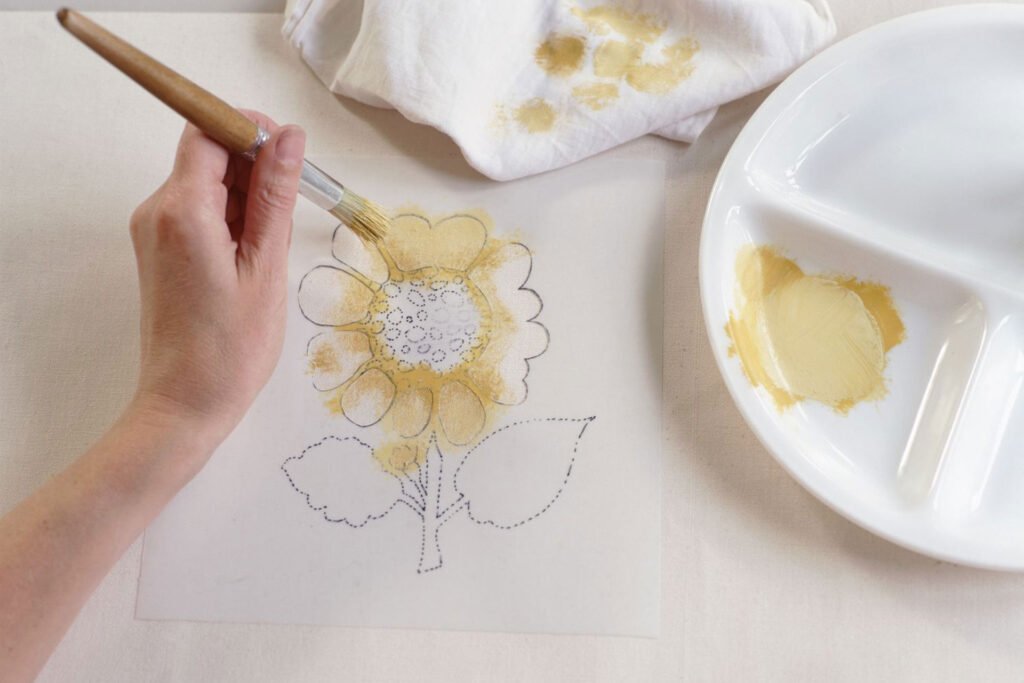
Can you use acrylic paint on fabric
The short answer is yes, but there’s a catch. If you apply standard acrylic paint directly to cloth, it will eventually crack, peel, and feel as stiff as a board.
In this guide, we’ll show you the professional way to transform your fabric into a masterpiece that stays soft and survives the washing machine.
Why Standard Acrylic Paint Fails on Fabric
Acrylic paint is essentially liquid plastic. When it dries on a non-porous surface like canvas or wood, it forms a hard film. However, fabric is flexible and porous.
-
The Stiffness Issue: Without a modifier, acrylic paint sits on top of the fibers. Once it dries, the fabric loses its 'hand-feel' and becomes uncomfortable to wear.
-
The Cracking Issue: As the fabric moves or stretches, the hardened paint film breaks, leading to unsightly cracks and peeling.
The Secret Ingredient: Fabric Medium for Acrylic Paint
To make acrylic paint permanent and washable, you must use a Fabric Medium (also known as a textile medium).
How it Works:
A fabric medium is a liquid acrylic polymer that you mix into your standard acrylic paint. It doesn't change the color, but it changes the chemistry:
-
Thinning without Weakening: It thins the paint so it can seep into the fibers rather than sitting on top.
-
Flexibility: It keeps the paint film flexible after drying, allowing the cloth to bend and fold.
-
Washability: It acts as a powerful binder that 'locks' the pigment into the threads, making it safe for the laundry.
Pro Tip: Most artists recommend a 1:1 ratio (equal parts paint and medium) for the best results.
The Foundation: Choosing the Right Fabric
Even the best paint won't stay permanent if the fabric isn't right. As a leading fabric supplier, we’ve tested various materials, and the results are clear: Natural fibers are king.
1. 100% Cotton (The Professional Standard)
Pure cotton is the best choice for fabric painting. Its natural porosity allows the paint-medium mixture to anchor deeply into the yarn.
-
Our Recommendation: Look for High-Density Plain Weave Cotton. The tight weave prevents the paint from 'bleeding' or feathering at the edges, ensuring your designs stay sharp and the colors remain vibrant.
2. Linen (The Artistic Choice)
Linen offers a beautiful, slightly textured surface that is perfect for artistic 'painting on cloth' designs. It is incredibly durable and holds pigment exceptionally well.
3. Avoid High Synthetics
Fabrics like 100% polyester or nylon are often too slick. The paint has a hard time 'grabbing' the fibers, which can lead to peeling even with a medium.
How to Paint on Fabric Permanently (Step-by-Step)
-
Pre-wash your fabric: New fabrics often have 'sizing' (a chemical starch) that blocks paint. Wash it first to ensure a clean surface.
-
Mix your paint: Combine your acrylic colors with the fabric medium.
-
Place a barrier: Put a piece of cardboard inside the shirt or under the cloth to prevent the paint from seeping through to the back.
-
Paint your design: Use smooth strokes. If the paint feels too thick, add a drop more medium.
-
Heat Set (Crucial Step): Once the paint is completely dry (24 hours), use a dry iron on medium heat to press the design for 3-5 minutes. This 'cures' the bond between the paint and the fibers.
Summary
You don't need expensive specialized textile paints to create beautiful custom apparel. By using a fabric medium and starting with a high-quality 100% cotton or linen base from TextileCloth.com, you can create professional, permanent designs that look and feel amazing.