
Terry cloth is one of the most recognizable fabrics in everyday life. From bath towels and bathrobes to modern loungewear and luxury fashion pieces, this highly absorbent textile has become a staple in both home and apparel industries.
But what exactly is terry cloth material, and why is it so good at absorbing water? This guide explains the terry cloth meaning, the unique terry cloth weave structure, how it’s made, and the difference between 100% cotton and blended terrycloth fabrics.
Terry Cloth Meaning: What Is Terrycloth?
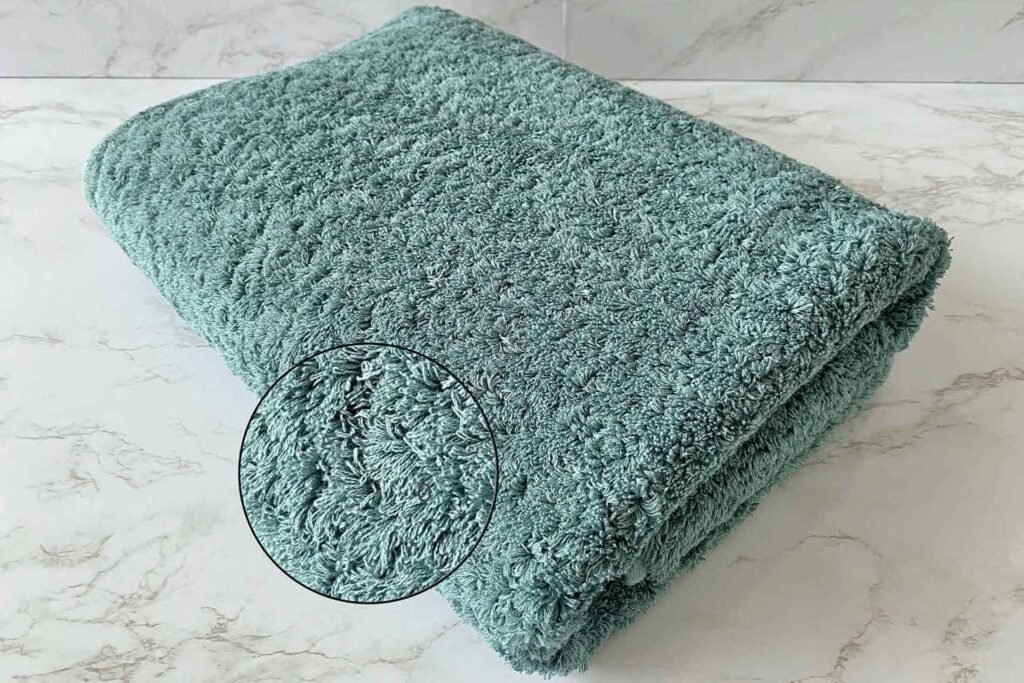
Terry cloth, sometimes written as terrycloth, is a fabric known for its looped pile surface that allows it to absorb large amounts of water.
The name comes from the French word “tirer,” meaning to pull, referring to the process of pulling loops from the fabric surface during weaving.
Key features of terry cloth material
-
Soft looped texture
-
High absorbency
-
Durable structure
-
Comfortable against the skin
Because of these properties, terrycloth is commonly used in:
-
bath towels
-
bathrobes
-
spa products
-
beachwear
-
loungewear
Today, terry cloth also appears in fashion garments such as hoodies, dresses, and casual sets.
The Terry Cloth Weave: How Loop Fabric Is Made
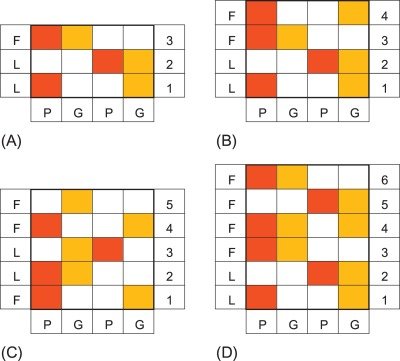
terry cloth weave
The defining feature of terry cloth is its loop pile weave, sometimes called a terry cloth weave.
How the loop weave works
During weaving, special looms create extra yarn loops that extend from the fabric surface. These loops form the soft pile texture.
The basic structure includes:
-
Ground warp yarns (base structure)
-
Weft yarns (horizontal threads)
-
Pile warp yarns (loops)
The pile yarns are woven loosely so they stand up as loops instead of lying flat.
Types of terry cloth weave
There are two common versions:
1. Single-sided terry
-
Loops on one side
-
Smooth surface on the other
-
Often used for towels
2. Double-sided terry
-
Loops on both sides
-
Maximum absorbency
-
Common in bathrobes and luxury towels
This loop structure is what makes terry cloth so effective at absorbing moisture.
Why Terry Cloth Absorbs Water So Well
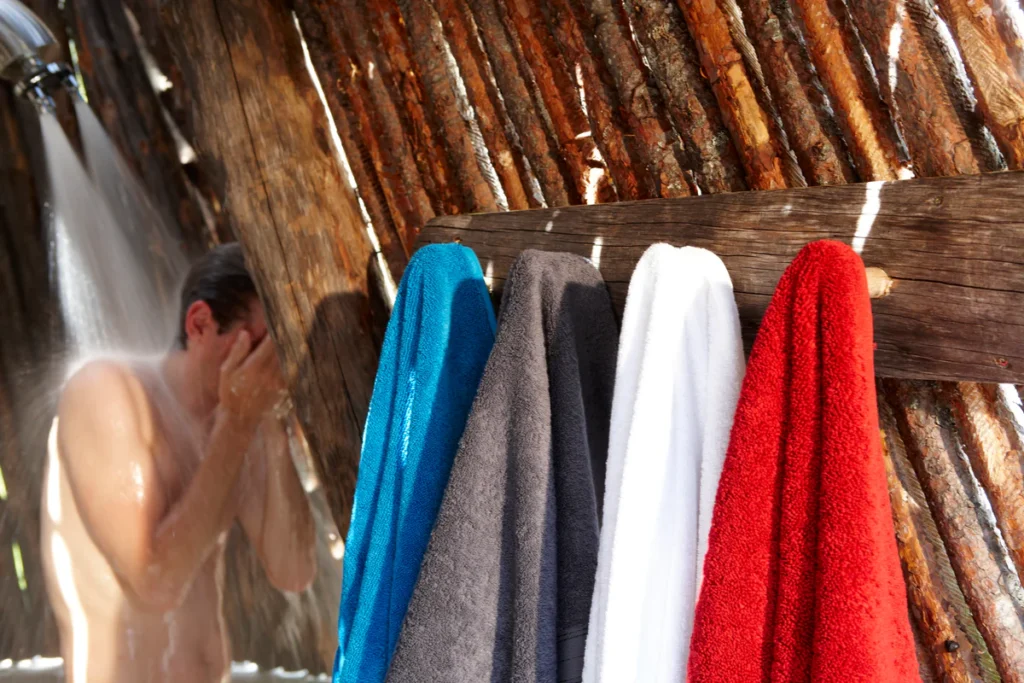
The absorbency of terry cloth comes from two main factors:
1. Loop structure increases surface area
The loops create thousands of tiny fiber spaces that trap water droplets.
More surface area means:
-
faster absorption
-
better moisture retention
2. Cotton fibers naturally absorb water
Many terry cloth fabrics use cotton fibers, which are hydrophilic (water-loving).
This allows cotton terrycloth to:
-
pull water away from the skin
-
dry surfaces quickly
Together, the loop weave + absorbent fibers create one of the most effective fabrics for drying and moisture management.
100% Cotton Terry Cloth vs Blended Terrycloth
100% cotton terry cloth
This is the traditional and most premium option.
Benefits include:
✔ excellent absorbency
✔ soft texture
✔ breathable fabric
✔ natural fibers
Cotton terry cloth is commonly used for:
-
luxury towels
-
bathrobes
-
spa textiles
However, pure cotton may take longer to dry compared with blended fabrics.
Cotton-polyester terry blends
Blended terry cloth fabrics include synthetic fibers such as polyester.
Advantages include:
✔ improved durability
✔ faster drying
✔ lower cost
✔ wrinkle resistance
These fabrics are often used for:
-
athletic towels
-
casual clothing
-
budget-friendly home textiles
The trade-off is that blends typically absorb slightly less water than pure cotton terry.
Terry Cloth in Fashion and Modern Design

Terry Cloth in Fashion and Modern Design
While terry cloth is traditionally associated with towels, it has also become popular in fashion.
Modern designers use terrycloth for:
-
hoodies
-
summer dresses
-
lounge sets
-
beachwear
The fabric offers a casual, relaxed aesthetic while maintaining comfort and softness.
In recent years, terrycloth has appeared in resort wear and luxury loungewear collections, showing how this practical textile can also be stylish.
Advantages and Disadvantages of Terry Cloth
Advantages
✔ extremely absorbent
✔ soft and comfortable
✔ durable and long-lasting
✔ breathable fabric
Potential drawbacks
✖ loops may snag on sharp objects
✖ thicker fabrics take longer to dry
✖ lower-quality terrycloth may flatten over time
Despite these minor limitations, terry cloth remains one of the most versatile and widely used fabrics in the textile industry.
Final Thoughts
Terry cloth is much more than just towel fabric. Thanks to its unique loop weave structure, this textile provides exceptional absorbency, comfort, and durability.
Whether used for bathroom towels, spa robes, or modern fashion pieces, terry cloth continues to play an important role in everyday textiles.
Understanding the differences between 100% cotton terry cloth and blended terrycloth fabrics, as well as how the terry cloth weave works, can help you choose the best material for your needs.
✅ Quick Summary
-
Terry cloth meaning: a looped pile fabric known for absorbency
-
Terry cloth weave: special loop structure that increases surface area
-
Best fiber: 100% cotton for maximum softness and absorbency
-
Blends: more durable and faster drying
From bathroom essentials to modern clothing, terry cloth remains one of the most practical and recognizable fabrics in the world.