
When it comes to warm, lightweight outdoor fabrics, few materials are as widely trusted as polar fleece fabric. From hiking jackets to winter blankets, polar fleece has become the gold standard for outdoor gear thanks to its ability to provide exceptional warmth without the weight of traditional wool.
But what exactly is polar fleece, and why do outdoor brands rely on it so heavily? In this guide, we’ll explore what polar fleece fabric is, how it works, and why it performs so well in cold-weather clothing and gear.
What Is Polar Fleece Fabric?
Polar fleece is a synthetic textile made primarily from polyester fibers. It is produced using a knitted fabric that is then brushed to create a thick, soft pile surface. This process traps air inside the fabric structure, forming an insulating layer that helps retain body heat.
The result is a material that is:
-
Lightweight
-
Highly insulating
-
Soft and comfortable
-
Quick-drying
-
Durable
Originally developed as a modern alternative to wool, polar fleece delivers similar warmth while being lighter, more breathable, and easier to maintain.
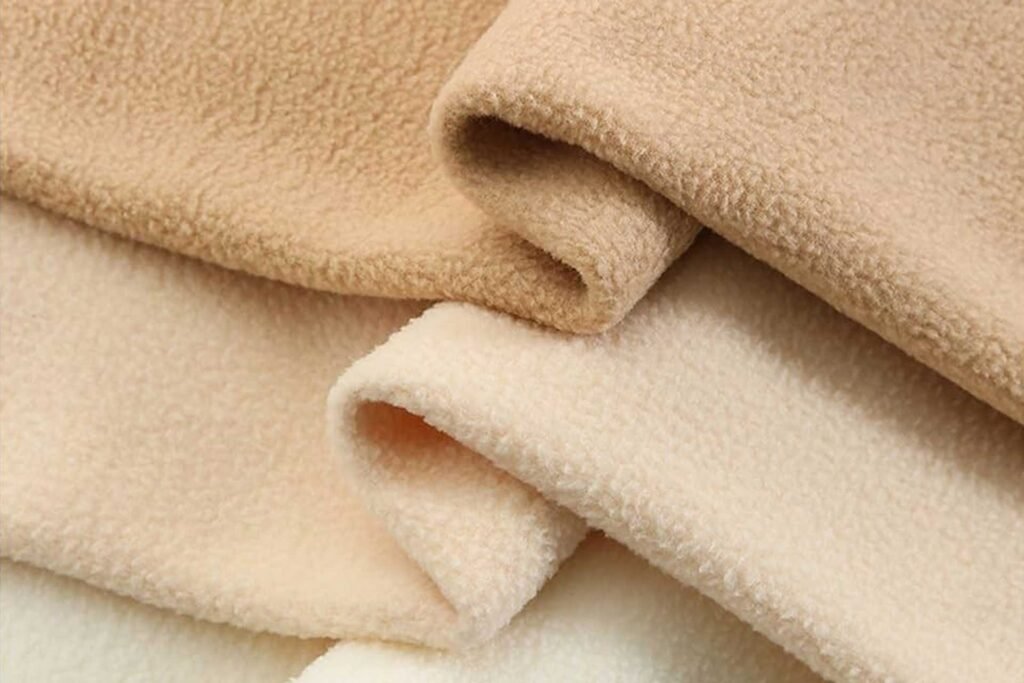
polar fleece fabric
Why Polar Fleece Is Ideal for Outdoor Gear
Outdoor clothing must balance warmth, weight, moisture management, and durability. Polar fleece excels in all of these areas.
1. Exceptional Warmth Without Bulk
Polar fleece works by trapping warm air inside its fluffy fiber structure. These tiny air pockets act as insulation, keeping body heat close to the skin.
Compared with traditional wool fabrics:
-
Polar fleece is significantly lighter
-
It provides comparable warmth
-
It remains comfortable during movement
This makes it ideal for layering systems in cold climates.
2. Lightweight and Easy to Pack
One of the biggest advantages of polar fleece is its excellent warmth-to-weight ratio.
Outdoor enthusiasts value gear that:
-
Adds warmth
-
Doesn’t add heavy weight
-
Packs easily in backpacks
Polar fleece jackets and blankets compress easily, making them perfect for camping, hiking, and travel.
3. Wind Resistance
While not completely windproof, heavyweight fleece material offers a surprising level of wind resistance.
Thicker polar fleece fabrics help reduce wind penetration by creating a dense, brushed surface layer. Many outdoor garments also combine fleece with windproof membranes or laminated layers to improve protection in harsh weather.
4. Moisture Management and Quick Drying
Unlike cotton, polar fleece does not absorb much moisture. Instead, it allows water vapor to move through the fabric.
Benefits include:
-
Faster drying after rain or sweat
-
Reduced chill during outdoor activity
-
Better comfort during hiking or skiing
This makes polar fleece an excellent mid-layer fabric for active outdoor sports.
Heavyweight vs Lightweight Polar Fleece
Polar fleece fabrics come in different weights depending on the intended use.
Lightweight Polar Fleece
-
Thin and breathable
-
Ideal for base layers and indoor wear
-
Common in athletic clothing
Midweight Polar Fleece
-
Balanced warmth and breathability
-
Popular for casual jackets and hoodies
Heavyweight Fleece Material
-
Thick and highly insulating
-
Used for winter jackets and outdoor gear
-
Provides better wind resistance
Heavyweight fleece is especially favored for cold-weather camping and mountaineering.
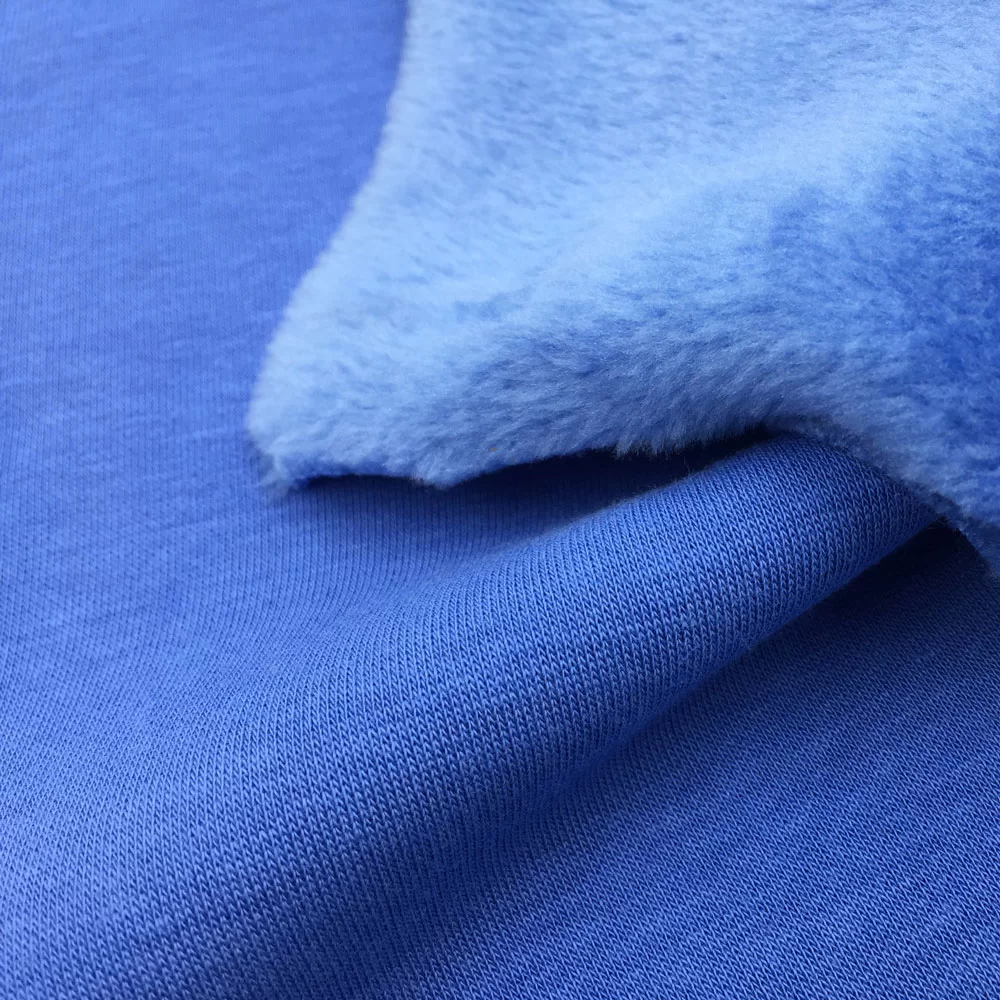
heavyweight fleece material
Common Uses of Polar Fleece
Because of its versatility, polar fleece is used across many industries.
Outdoor Clothing
-
Hiking jackets
-
Ski mid-layers
-
Thermal pullovers
-
Camping hoodies
Cold-Weather Accessories
-
Hats and gloves
-
Neck gaiters
-
Scarves
Home Textiles
-
Blankets
-
Throws
-
Pet bedding
Its softness and durability also make it a popular fabric for children’s clothing and loungewear.
Advantages of Polar Fleece
Polar fleece has become a favorite material because it offers several practical benefits:
-
Lightweight yet warm
-
Soft and comfortable
-
Fast drying
-
Durable and resistant to shrinking
-
Easy to wash and maintain
Additionally, many modern polar fleece fabrics are made from recycled polyester, reducing environmental impact.
Are There Any Downsides?
Despite its many advantages, polar fleece does have a few limitations.
Potential drawbacks include:
-
Less windproof than hard-shell fabrics
-
Can generate static electricity
-
Made from synthetic materials rather than natural fibers
However, for most outdoor applications, the benefits of warmth and comfort outweigh these minor disadvantages.
Final Thoughts
Polar fleece fabric has earned its reputation as a core material in modern outdoor gear. Its combination of lightweight insulation, wind resistance, and moisture management makes it one of the most practical fabrics for cold-weather clothing.
Whether you're choosing a heavyweight fleece jacket for winter hiking or a lightweight fleece layer for everyday wear, polar fleece remains one of the most reliable and comfortable textile innovations in outdoor apparel.
If you’re selecting fabrics for outdoor clothing, blankets, or technical gear, understanding the performance of polar fleece can help you choose the right material for warmth, durability, and long-term comfort.