
Muslin is one of the most widely used yet misunderstood fabrics in sewing, fashion design, quilting, and baby products. If you've searched what is muslin, muslin meaning, or even how to pronounce it, this guide gives you clear, reliable answers.
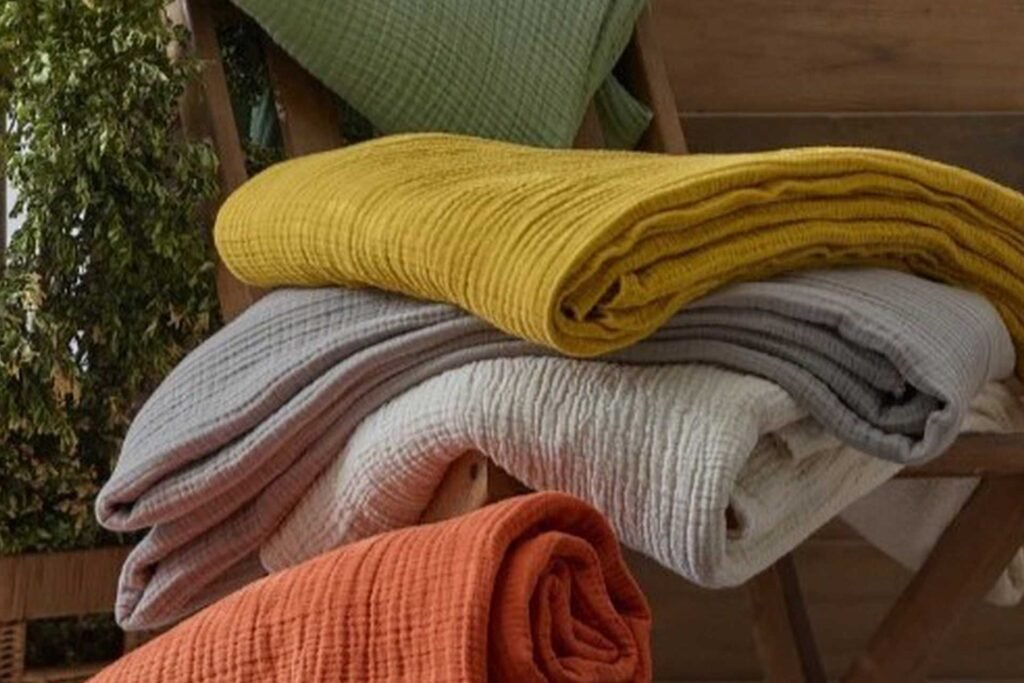
what is muslin
Muslin Meaning & Definition
Muslin is a lightweight, plain-weave cotton fabric known for its softness, breathability, and versatility.
Simple definition:
Muslin is a loosely woven cotton fabric made using a basic over-under (plain) weave structure.
Muslin pronunciation:
MUZ-lin (ˈməz-lən)
It’s often used for:
-
Garment prototypes (called “toiles”)
-
Baby swaddles and blankets
-
Quilting backings
-
Home décor projects
-
Photography backdrops
-
Cooking (cheese straining cloth)
Is Muslin 100% Cotton?
In most modern cases, yes — muslin is typically 100% cotton.
However, historically and in some commercial contexts, muslin can also be made from:
-
Cotton blends
-
Silk (historical fine muslins)
-
Synthetic fibers (rare in traditional labeling)
If you are looking for 100 cotton muslin, check the fiber content label. For sewing and baby use, 100% cotton is preferred due to breathability and softness.

100 cotton muslin
Understanding the Muslin Weave
Muslin uses a plain weave, the simplest textile structure.
What is a plain weave?
Each weft thread passes alternately over and under each warp thread.
This results in:
-
A lightweight structure
-
Good breathability
-
Moderate durability
-
Soft drape (depending on weight)
Muslin can range from:
-
Very sheer and gauzy
-
To medium-weight and sturdy
The Global History of Muslin
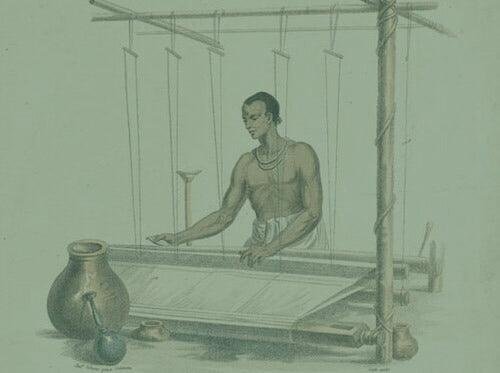
muslin history
If you've searched muslin history or muslin India, here's the fascinating background.
Muslin originated in ancient India, particularly in the Bengal region (modern-day Bangladesh and Eastern India).
Historical Highlights:
-
Named after the city of Mosul (though true origins trace to Dhaka)
-
Famous for ultra-fine “Dhaka muslin”
-
Exported to Europe in the 17th–18th centuries
-
Worn by royalty and aristocracy
Some historic muslins were so fine they were called “woven air.”
During British colonial rule, the Indian muslin industry declined significantly due to industrial textile competition.
Today, muslin refers more broadly to plain-woven cotton fabric rather than the ultra-luxury original versions.
Muslin Fabric in Spanish
If you’re searching across languages:
-
Muslin in Spanish: “muselina”
-
Muslin fabric: “tela de muselina”
The term is widely recognized in fashion and sewing contexts.
Common Uses of Muslin Today
1. Sewing & Fashion Design
Designers create test garments (called “muslins”) before cutting expensive fabric.
2. Baby Products
Soft, breathable muslin is used for:
-
Swaddle blankets
-
Burp cloths
-
Washcloths
3. Quilting
Often used for backing or foundation piecing.
4. Culinary Use
“Cheesecloth” is a loose type of muslin used for straining.
5. Photography
Large muslin backdrops are common in studios.
Is Muslin the Same as Gauze?
Not exactly.
-
Gauze = very loose, open weave
-
Muslin = plain weave, tighter structure
Some baby “muslin blankets” use gauze-like double-layer cotton for softness, which causes confusion.
Common Misspellings
Many users accidentally search:
-
“muzzling cloth”
-
“muzlin”
-
“museline”
While “muzzling cloth” actually refers to restraining animals (completely different meaning), search engines sometimes connect similar spellings. Including clarification helps improve content relevance.
Quick Buyer’s Checklist
When purchasing muslin fabric, check:
✔ Fiber content (100% cotton preferred)
✔ Weight (lightweight vs medium weight)
✔ Bleached or unbleached
✔ Thread count
✔ Intended use (sewing vs baby vs culinary)
Final Thoughts
Muslin may look simple, but its history and versatility make it one of the most important foundational fabrics in textiles.
Whether you’re:
-
Learning to sew
-
Designing garments
-
Buying baby blankets
-
Researching textile history
Understanding what muslin is, how it’s made, and where it comes from helps you choose the right type for your needs.