
Jacquard fabric is one of the most fascinating textiles in the world of weaving. Known for its intricate patterns woven directly into the fabric, jacquard textiles appear in everything from luxury upholstery and curtains to fashion garments and decorative fabrics.
If you’ve ever wondered what is jacquard fabric, how the jacquard loom works, or why jacquard patterns look richer than printed fabrics, this guide explains everything—from the fabric’s historical origins to its modern applications.
Jacquard Meaning: What Does Jacquard Fabric Actually Mean?
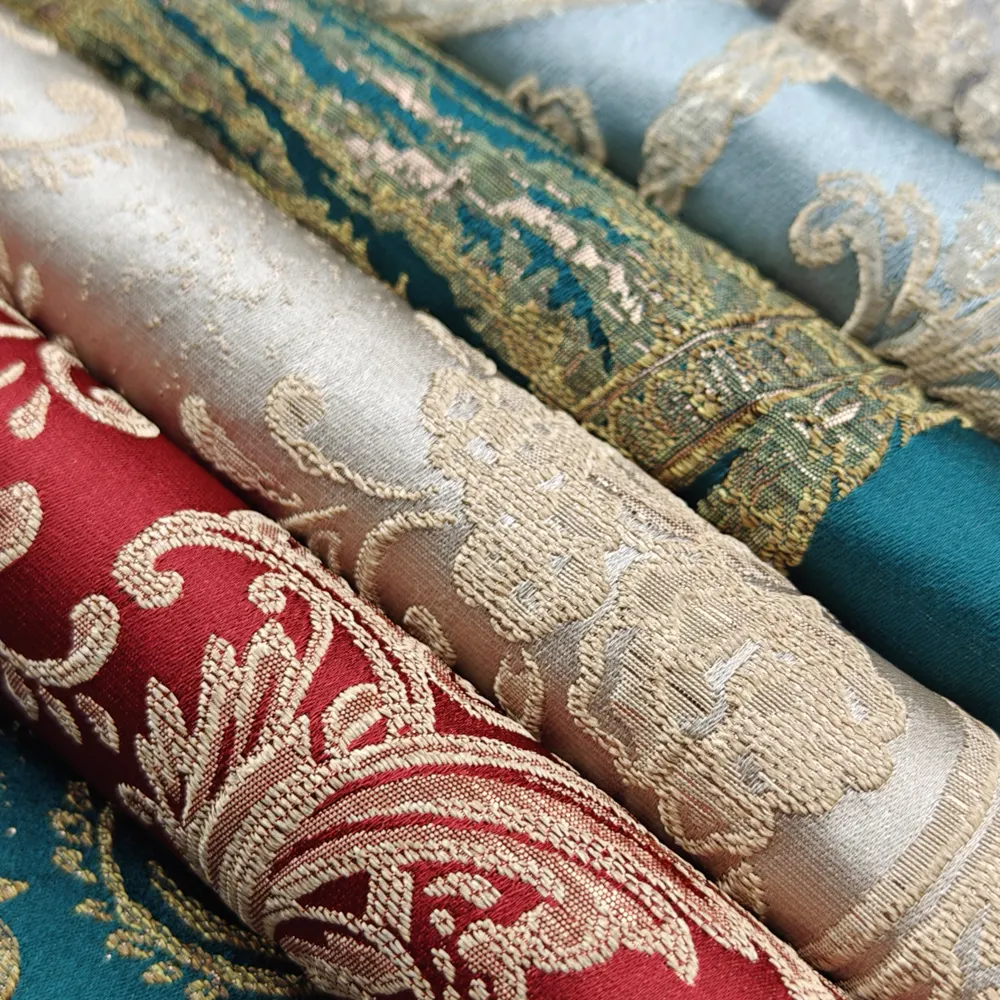
jacquard refers to a method of weaving patterns directly into fabric
The term jacquard refers to a method of weaving patterns directly into fabric, rather than printing or dyeing them onto the surface.
In simple terms:
-
Jacquard fabric = pattern woven into the structure
-
Printed fabric = pattern applied onto the surface
This weaving method allows jacquard fabrics to feature complex designs, raised textures, and multi-colored patterns.
Key characteristics of jacquard fabric
-
Intricate woven patterns
-
Durable fabric structure
-
Textured surfaces
-
Reversible designs in some fabrics
Because the pattern is woven into the material, jacquard fabrics often appear more luxurious and dimensional than printed textiles.
The History of Jacquard: The Invention of the Jacquard Loom
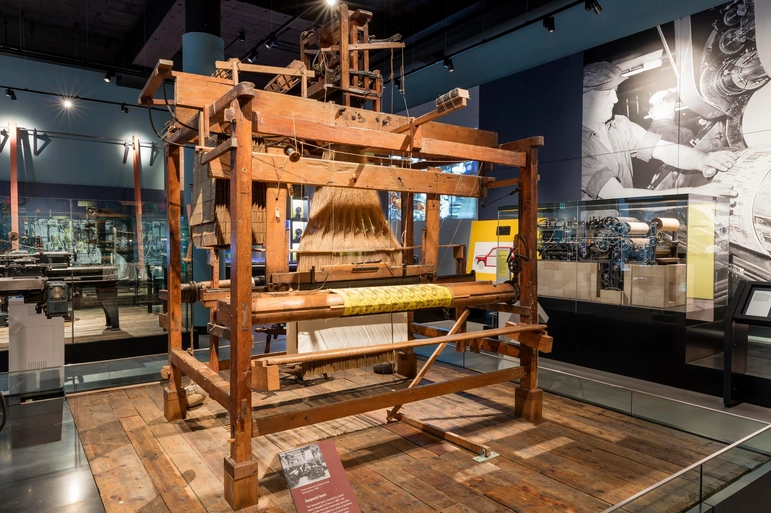
The Jacquard loom: Innovation in textiles and computing | National Museums Scotland
Jacquard weaving became possible thanks to the invention of the Jacquard loom, created by Joseph Marie Jacquard in 1804.
Before this invention, weaving complex patterns required multiple workers manually controlling individual threads. This process was extremely slow and expensive.
The Jacquard loom changed textile manufacturing by introducing punched cards that controlled which warp threads were lifted during weaving.
How the Jacquard loom works
The system uses punched cards to control yarn positions:
-
Each card represents one row of the pattern
-
Holes in the card determine which threads lift
-
Threads interlace to create woven designs
This mechanism allowed looms to produce highly detailed patterns automatically.
Interestingly, the punched-card system used in jacquard looms later influenced early computer programming concepts.
Jacquard vs Printed Fabric: What’s the Difference?
A common question when learning about jacquard textiles is the difference between woven patterns and printed designs.
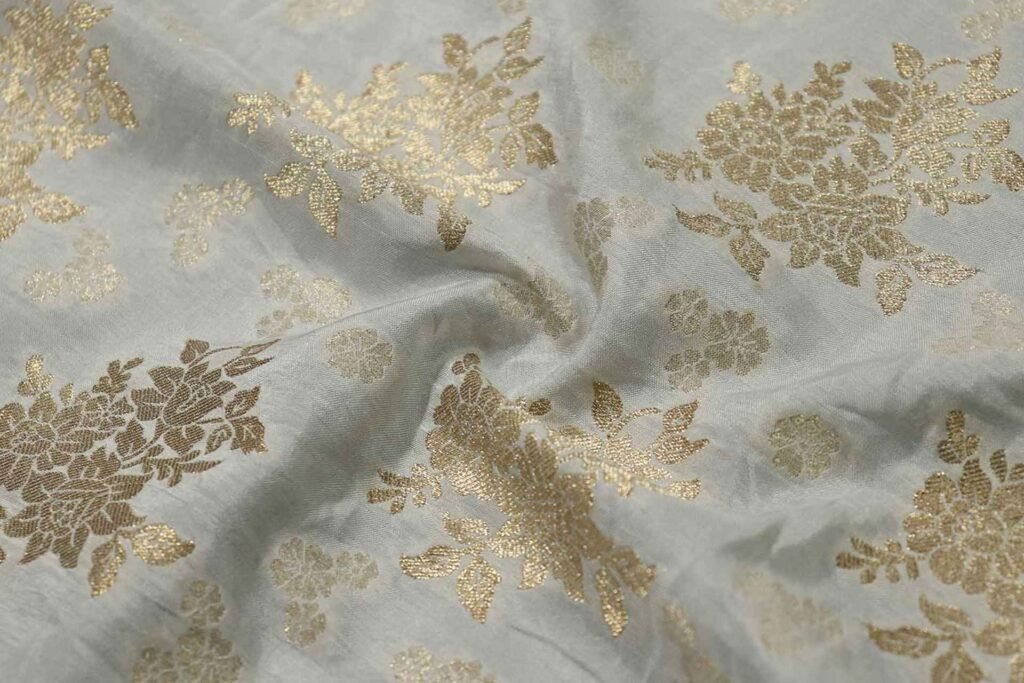
Jacquard fabric
Jacquard fabric (woven pattern)
-
Pattern is created during weaving
-
Design is part of the fabric structure
-
Often slightly textured or raised
-
More durable pattern
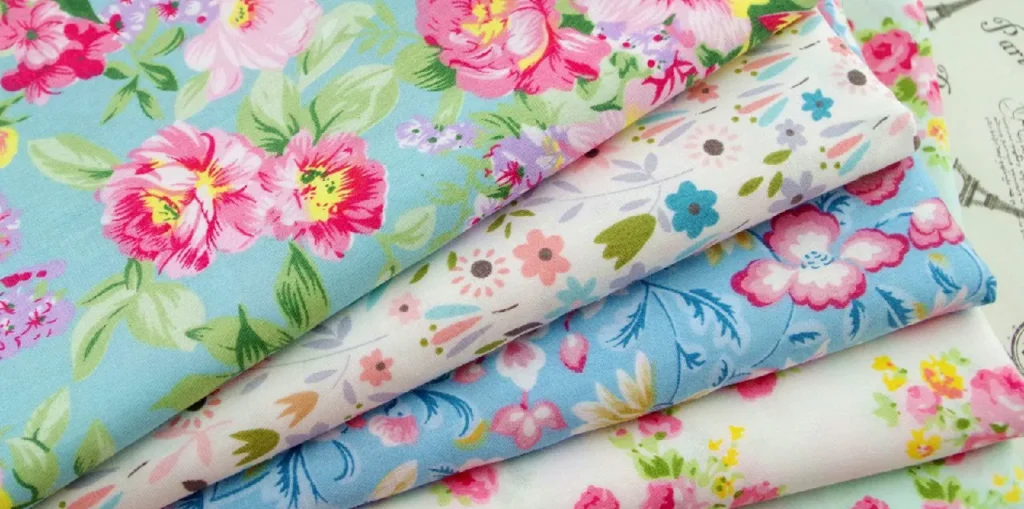
Printed Fabric
Printed fabric (surface pattern)
-
Pattern is printed or dyed onto the fabric surface
-
Usually flat texture
-
Faster and cheaper to produce
-
Pattern may fade over time
Because jacquard designs are woven directly into the textile, they tend to last longer and appear more sophisticated.
Types of Jacquard Fabric
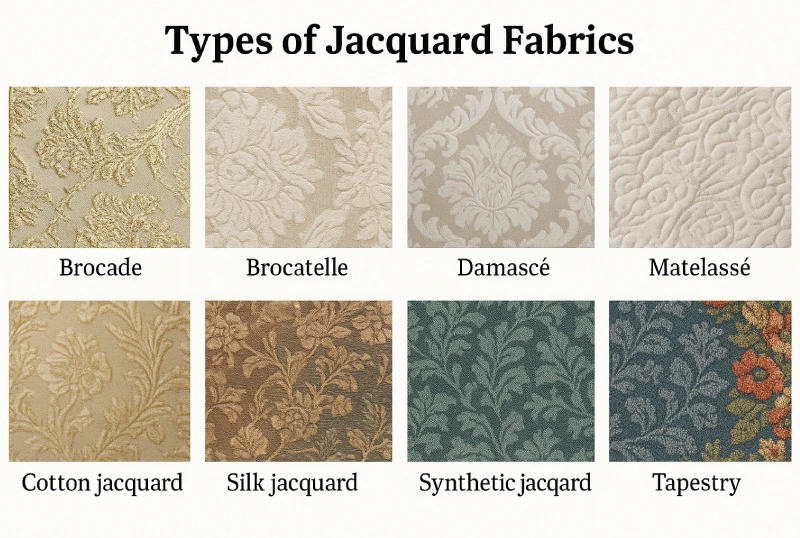
Types of Jacquard Fabric
Jacquard is not a specific fabric fiber but rather a weaving technique, which means it can be used to create many different fabric types.
1. Damask
Damask jacquard fabrics feature:
-
subtle patterns
-
reversible designs
-
smooth satin-like surfaces
They are commonly used in table linens and luxury bedding.
2. Brocade
Brocade is a heavier jacquard fabric known for:
-
raised decorative motifs
-
metallic threads
-
ornate patterns
This fabric often appears in formal garments and upholstery.
3. Matelassé
Matelassé fabrics create a quilted or padded appearance.
They are popular in:
-
bedspreads
-
upholstery
-
decorative textiles
4. Modern jacquard knit fabrics
Today, jacquard technology is also used in knit fabrics, allowing designers to create intricate patterns in sportswear and fashion garments.
Common Uses of Jacquard Fabric
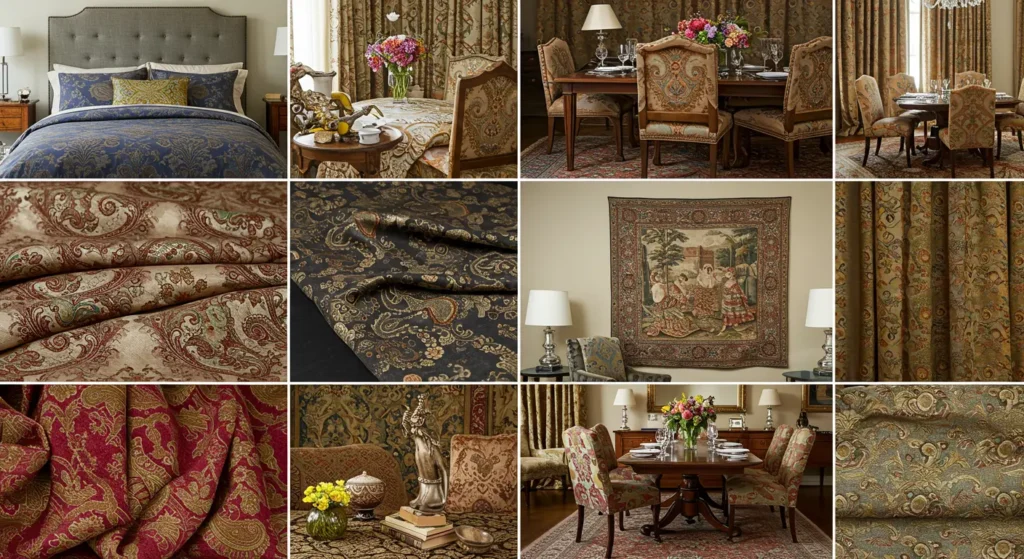
uses of jacquard fabric
Thanks to its decorative appearance and durability, jacquard fabric is used across many industries.
Fashion
Jacquard textiles are commonly used in:
-
dresses
-
jackets
-
skirts
-
evening wear
The woven patterns create garments with depth and visual richness.
Home décor
Jacquard fabrics are widely used for:
-
upholstery fabrics
-
curtains and drapes
-
decorative pillows
-
bedding
Their durability makes them ideal for high-end interior design.
Accessories
Many luxury accessories feature jacquard fabrics, including:
-
handbags
-
scarves
-
decorative textiles
The intricate patterns help create a premium aesthetic.
Jacquard Pronunciation
For those unfamiliar with the term, jacquard is typically pronounced:
/ˈʒækɑːrd/
It sounds roughly like:
“ZHAK-ard.”
The word originates from the name of the inventor Joseph Marie Jacquard, whose loom revolutionized textile production.
Why Jacquard Fabric Is Still Popular Today
Jacquard weaving remains important in modern textile manufacturing because it allows designers to produce complex, durable patterns directly in the fabric structure.
Compared with printed textiles, jacquard fabrics offer:
✔ richer visual texture
✔ longer-lasting patterns
✔ premium appearance
✔ greater design complexity
Advances in digital jacquard looms now allow manufacturers to create incredibly detailed patterns faster than ever before.
Final Thoughts
So, what is jacquard fabric?
Jacquard refers to a special weaving technique that produces intricate patterns directly within the fabric, rather than printing them on the surface. Made possible by the invention of the Jacquard loom by Joseph Marie Jacquard, this innovation transformed the textile industry and even influenced early computer technology.
Today, jacquard fabrics continue to be valued for their beauty, durability, and versatility, appearing in everything from luxury fashion to interior décor.
✅ Quick Summary
-
Jacquard meaning: woven patterns created during the weaving process
-
Inventor: Joseph Marie Jacquard
-
Key difference: jacquard = woven design, printed fabric = dyed surface
-
Common uses: fashion, upholstery, bedding, curtains
Jacquard fabric remains one of the most innovative and visually striking textiles ever developed.