
For centuries, Dhaka muslin was considered the finest cotton fabric in the world—so light and delicate it was famously described as “woven air.” Known historically as Dacca muslin, this extraordinary textile originated in Bengal and became a global luxury long before modern fashion houses existed.
Today, renewed cultural interest in Bengali muslin is helping restore its legacy.
What Is Dhaka Muslin?
Dhaka muslin (also spelled Dacca muslin) refers to an ultra-fine, handwoven cotton fabric historically produced in the Bengal region, particularly around present-day Dhaka, Bangladesh.
It was known for:
-
Exceptional fineness
-
Nearly transparent weave
-
Soft, airy drape
-
Hand-spun yarn of microscopic thinness
-
Luxurious status in royal courts
Unlike modern muslin used for sewing prototypes, historical Dhaka muslin was a rare, elite textile.
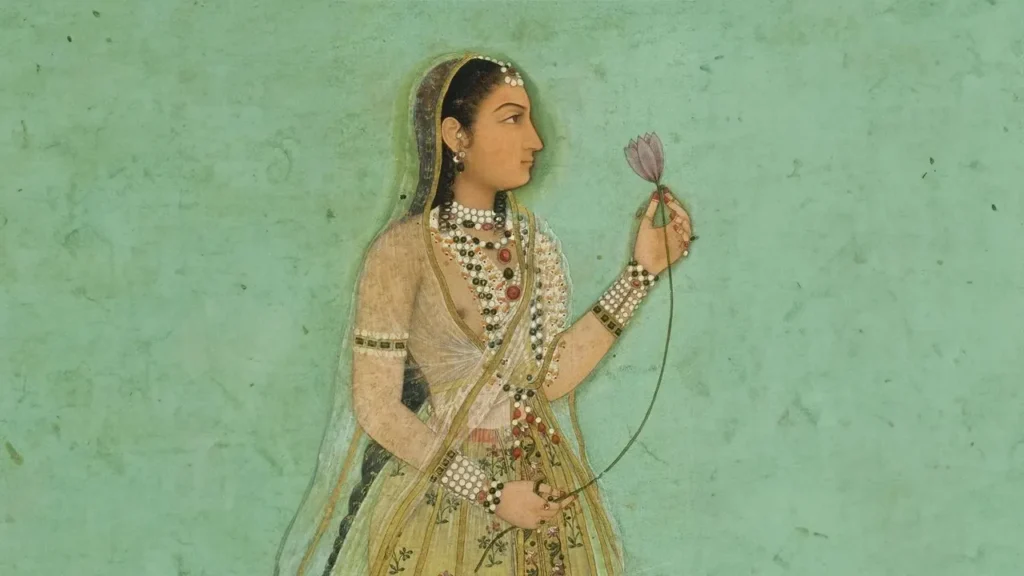
Dhaka Muslin
Why Was It Called “Woven Air”?
The nickname came from its astonishing lightness.
Historical accounts describe:
-
Entire saris that could pass through a ring
-
Yarns so fine they were barely visible
-
Fabric that appeared almost weightless in sunlight
Its thread count and delicacy far exceeded typical cotton fabrics of the time.
The Origins of Dacca Muslin
Geographic Roots
Dhaka muslin developed in the humid climate of Bengal, where:
-
Unique local cotton (Phuti karpas) was cultivated
-
Skilled weavers refined ultra-fine spinning techniques
-
River systems supported textile trade
The environment played a critical role—both the cotton variety and humidity were essential for spinning extremely fine yarn.
Global Fame in the Mughal Era
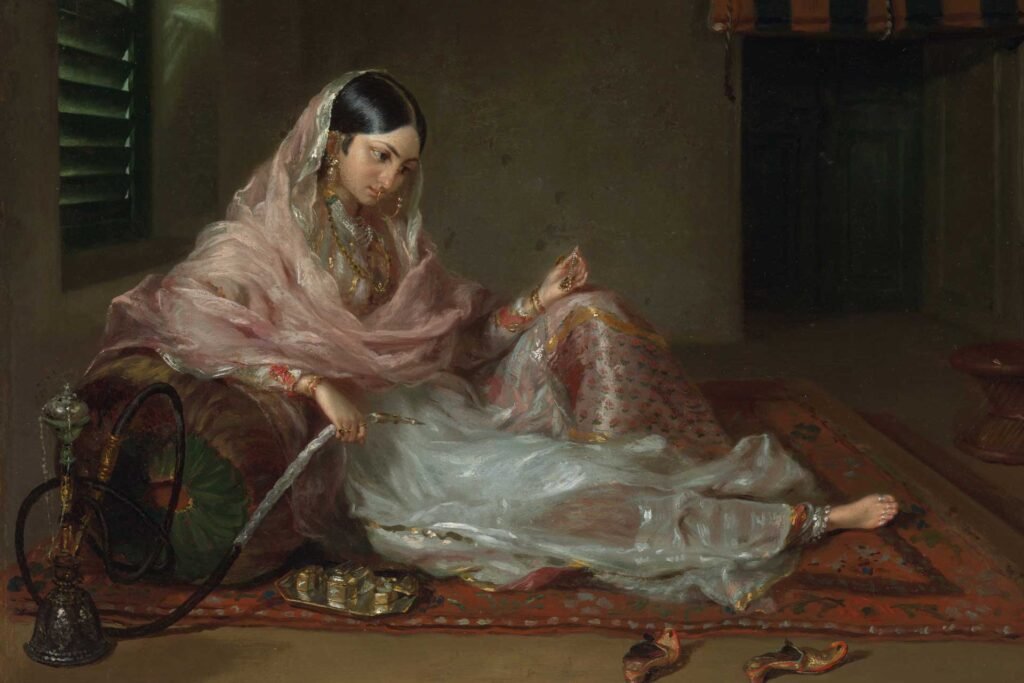
bengali muslin
During the Mughal Empire (16th–18th centuries), Bengali muslin became:
-
A prized court textile
-
A luxury export to Europe and the Middle East
-
A symbol of refinement and status
European traders, including the British East India Company, exported large quantities to aristocratic markets.
In Europe, muslin gowns became fashionable among the elite in the 18th century.
The Decline of Bengali Muslin
By the 19th century, Dhaka muslin production declined dramatically.
Contributing factors included:
-
Industrial textile competition from Britain
-
Colonial economic restructuring
-
Loss of specialized cotton cultivation
-
Suppression of local artisanal industries
The original techniques and cotton variety nearly disappeared.
Modern Revival Efforts
Today, artisans and historians in Bangladesh are working to revive traditional Bengali muslin production.
One important institution is the
Dhaka Muslin Museum
The museum:
-
Preserves historical samples
-
Documents weaving techniques
-
Educates visitors about Bengal’s textile heritage
-
Supports revival initiatives
There are also government-backed research programs attempting to recreate the original cotton strain and weaving methods.
How Is Dhaka Muslin Different from Modern Muslin?
| Feature | Dhaka Muslin | Modern Muslin |
|---|---|---|
| Fiber | Rare local cotton | Standard cotton |
| Weaving | Ultra-fine handwoven | Machine or handwoven |
| Transparency | Extremely sheer | Light to opaque |
| Status | Luxury export textile | Everyday utility fabric |
| Cost | Extremely high | Affordable |
Modern muslin used for pattern making is structurally simple and practical—very different from historical Dacca muslin.
Cultural Significance of Bengali Muslin
Beyond fabric, Dhaka muslin represents:
-
Bengal’s artisanal heritage
-
Colonial trade history
-
Pre-industrial textile mastery
-
Cultural identity
For Bangladesh, it remains a powerful symbol of national pride.
Why Dhaka Muslin Still Matters Today
In an era of mass production and synthetic textiles, Dhaka muslin reminds us that:
-
Hand craftsmanship can reach extraordinary refinement
-
Natural fibers can achieve remarkable delicacy
-
Textile heritage deserves preservation
Its story connects fashion, economics, colonial history, and cultural resilience.
Final Thoughts
Dhaka muslin—once known as Dacca muslin—was not merely fabric. It was an engineering marvel created by Bengali artisans centuries ahead of industrial production.
As interest in heritage textiles grows, Bengali muslin is being rediscovered not only as a historic luxury, but as a cultural treasure worth preserving.