
Creating an outdoor oasis requires more than just good design; it requires materials engineered to battle the elements. Unlike indoor textiles, outdoor furniture fabric must contend with three major enemies: intense UV radiation, constant moisture, and the resulting growth of mold and mildew.
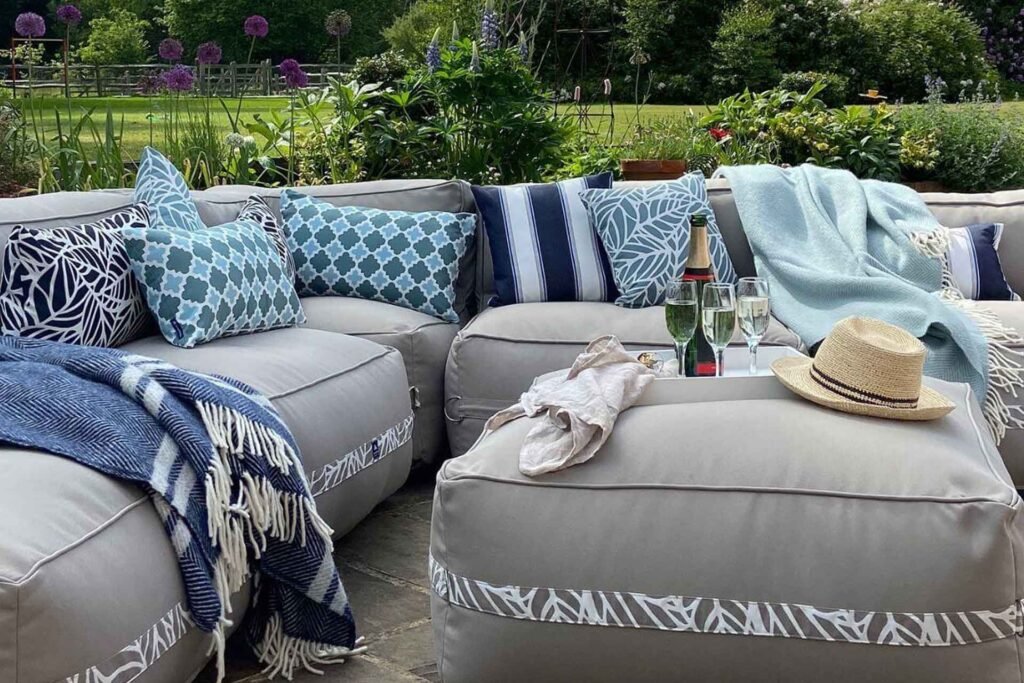
outdoor furniture fabric
Whether you are refreshing your poolside loungers or reupholstering a balcony set, choosing the right outdoor upholstery material is the difference between a project that lasts one season and one that lasts a decade.
1. The Key Challenges of Outdoor Environments
Outdoor fabrics face unique stressors that indoor materials never encounter:
-
UV Degradation: Sunlight breaks down chemical bonds in most fibers, causing them to fade and become brittle.
-
Microbial Growth: Moisture trapped in fiber weaves leads to mold and mildew.
-
Water Penetration: If water seeps through the fabric into the cushion foam, it can cause internal rot and unpleasant odors.
2. Top-Tier Outdoor Upholstery Materials
When shopping for outdoor furniture fabric, you will likely encounter these three dominant material types:
Solution-Dyed Acrylic (The Gold Standard)
Brands like Sunbrella lead this category. Because the color is locked into the fiber while it is still liquid, it is virtually impossible to fade.
-
Best for: Cushions, umbrellas, and awnings in direct sunlight.
-
Pros: Highly breathable, soft feel, and bleach-cleanable.
Marine-Grade Vinyl
If your furniture is near a pool or on a boat, marine vinyl is the ultimate waterproof outdoor upholstery material.
-
Best for: Poolside benches, boat seating, and bar stools.
-
Pros: 100% waterproof and incredibly easy to wipe clean.
Olefin (Polypropylene)
A high-value synthetic fiber that is naturally resistant to moisture and chemicals.
-
Best for: Patio rugs and budget-friendly cushion replacements.
-
Pros: Dries very quickly and is highly resistant to abrasion.
3. Understanding Ratings: UV Hours and Hydrostatic Pressure
To ensure you are buying a truly durable outdoor furniture fabric, look for these technical specs:
-
UV Lightfastness: Measured in hours. High-quality outdoor fabrics should offer at least 1,200 to 1,500 hours of sun exposure before significant fading occurs.
-
Water Repellency vs. Waterproof: * Water-repellent fabrics (DWR coated) cause water to bead up but may eventually soak through in heavy rain.
-
Waterproof materials (like PVC-backed polyester) allow zero water penetration.
-
4. Maintenance Tips for Longevity
Even the best outdoor upholstery material needs care:
-
Brush off Dirt: Mold doesn't grow on synthetic fibers; it grows on the dirt trapped between them. Regular brushing prevents this.
-
Store in Winter: If possible, move cushions indoors during the off-season to double their lifespan.
-
Air Dry: If your cushions do get soaked, stand them on their side to allow water to drain through the seams faster.