
While 100% viscose is beloved for its drape, it is the viscose blend that truly powers the global fashion industry. By mixing viscose with other fibers, textile engineers can 'cancel out' the weaknesses of one fiber while amplifying the strengths of the other.
Whether you are sourcing for high-street fashion or luxury upholstery, understanding these blends is key to a successful product line.
1. Linen-Viscose: The End of the 'Wrinkle Problem'
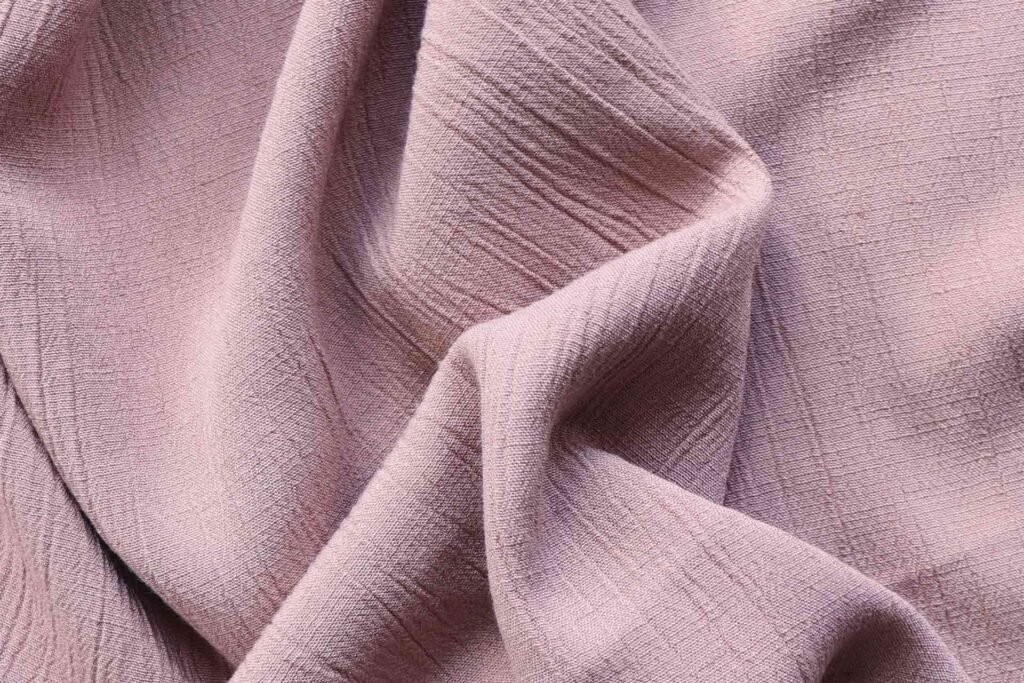
Linen viscose fabric
Linen viscose fabric is perhaps the most successful blend in summer fashion. Pure linen is prized for its breathability but notorious for its stiff texture and extreme wrinkling.
-
The Benefit: Adding viscose to linen creates a much softer 'hand-feel' and introduces a fluid drape that pure linen lacks.
-
The Commercial Edge: The viscose fibers help the fabric recover from folds more quickly, significantly reducing the 'crinkle' effect. It maintains the earthy, rustic look of linen but makes it practical for office wear and dresses.
2. Cotton-Viscose: Luxury Luster for Everyday Wear

cotton viscose material
Standard cotton is durable but can often appear matte and flat. A cotton viscose material (often a 50/50 blend) elevates basic cotton into something much more premium.
-
The Benefit: Viscose adds a subtle, silk-like luster to the cotton surface. It also improves the 'wicking' ability of the fabric, making it feel cooler against the skin.
-
The Commercial Edge: This blend is easier to dye than pure cotton, resulting in deeper, more vibrant colors that resist fading. It is the go-to choice for premium T-shirts and lightweight knitwear.
3. Polyester-Viscose (TR): The Workhorse of Tailoring
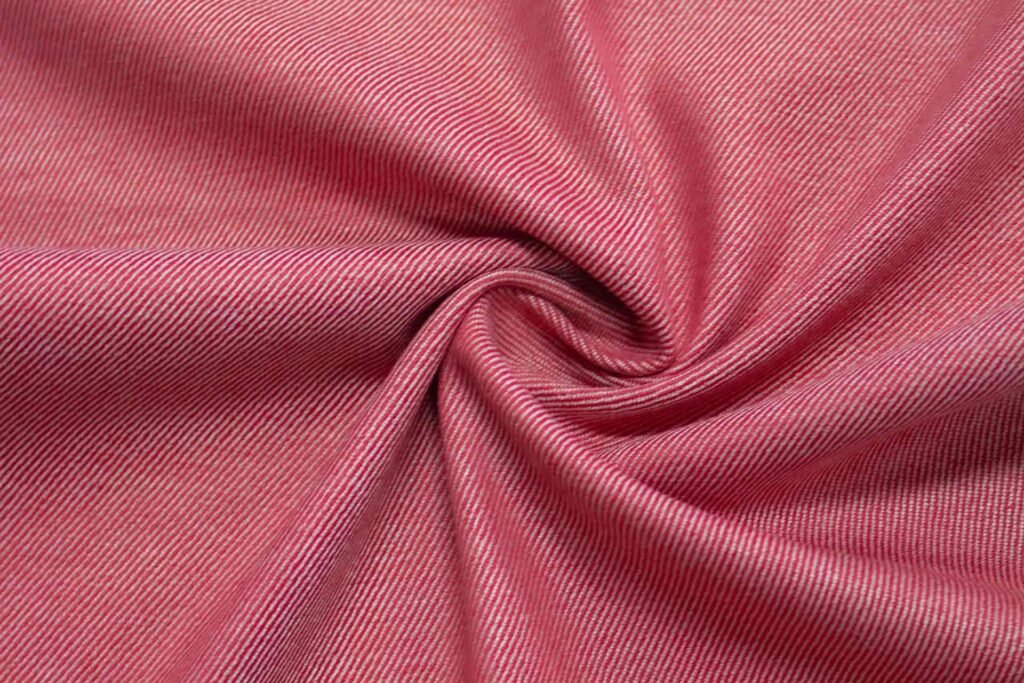
polyester viscose fabric
Often referred to in the industry as TR fabric, polyester viscose fabric is a staple for suiting, uniforms, and trousers.
-
The Benefit: Pure polyester can feel 'plastic' and hot, while pure viscose is too delicate for heavy wear. By blending them (poly viscose), you get a fabric that is incredibly abrasion-resistant thanks to the polyester, yet breathable and comfortable due to the viscose.
-
The Commercial Edge: TR fabrics hold pleats and sharp creases beautifully. They are machine-washable and highly resistant to pilling, making them the most cost-effective solution for professional corporate wear.
4. Silk and Viscose: The 'Affordable Luxury' Blend
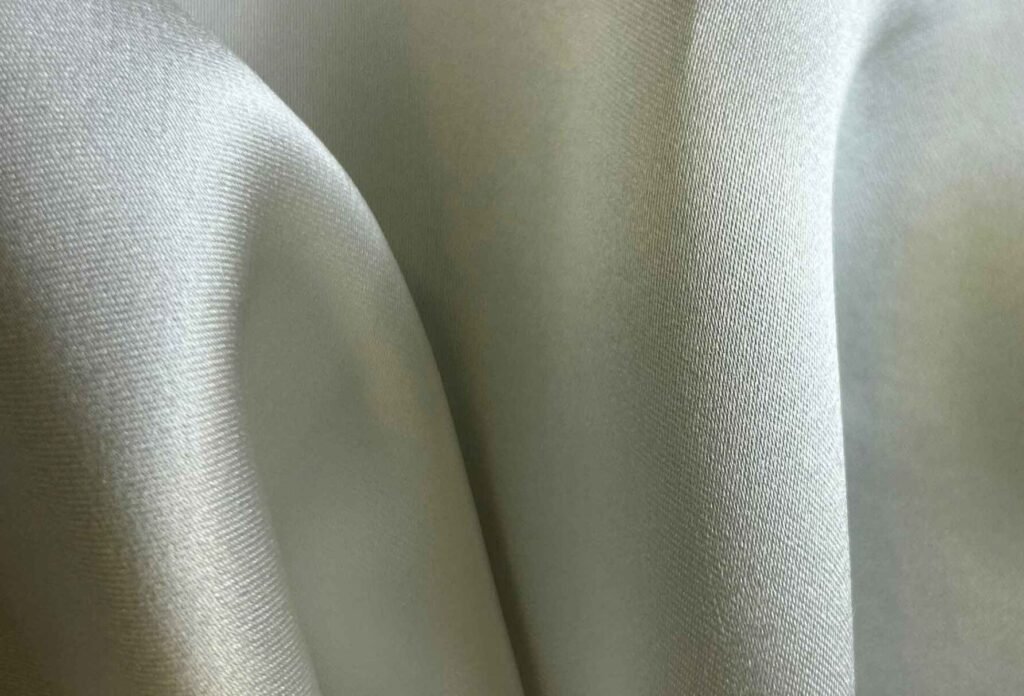
silk and viscose fabric
For high-end evening wear, a silk and viscose fabric blend provides the ultimate aesthetic.
-
The Benefit: Viscose shares a similar molecular structure with silk. When blended, the viscose adds 'weight' and 'swing' to the light silk fibers, creating a fabric that flows beautifully as the wearer moves.
-
The Commercial Edge: This blend allows designers to offer a 'Silk-Look' collection at a fraction of the price of 100% mulberry silk, while maintaining a luxury feel that polyester-satin simply cannot match.
Summary: Which Blend Should You Source?
| Blend Type | Best Used For | Key Advantage |
| Linen/Viscose | Summer Suits, Dresses | Softness & Reduced Wrinkling |
| Cotton/Viscose | Premium Basics, Knitwear | Luster & Breathability |
| Poly/Viscose (TR) | Suits, Uniforms, Trousers | Durability & Sharp Structure |
| Silk/Viscose | Evening Gowns, Scarves | Luxury Drape at Lower Cost |