
Choosing between unbleached muslin and bleached muslin—and selecting the correct weight—can make or break your sewing, quilting, crafting, or studio project.
Although muslin looks simple, small differences in color treatment and fabric weight significantly affect performance, durability, and final appearance.
This guide helps you choose the right type with confidence.
What Is the Difference Between Unbleached and Bleached Muslin?
1. Unbleached Muslin
Unbleached muslin retains its natural cotton color—usually cream, ivory, or slightly beige.
Characteristics:
-
No chemical whitening process
-
Slightly softer, natural feel
-
Often less expensive
-
Eco-conscious choice (minimal processing)
Best For:
-
Pattern making
-
Test garments (toiles)
-
Quilting backing
-
Craft projects
-
Rustic décor
-
Photography backdrops
Because it is neutral but not bright white, it’s ideal when color accuracy doesn’t matter.
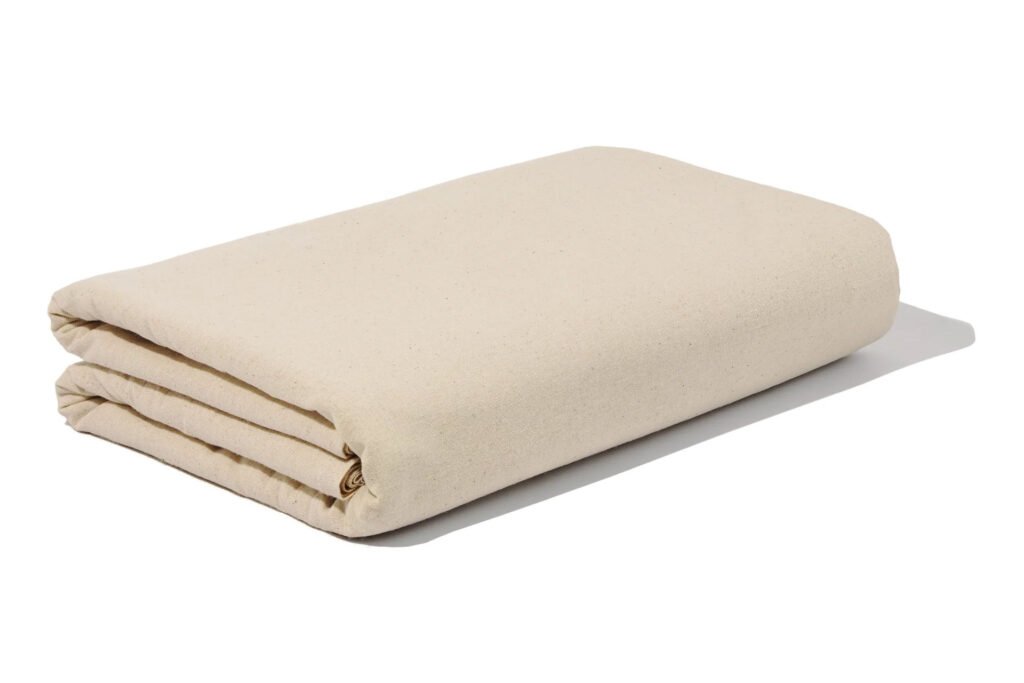
unbleached muslin
2. Bleached Muslin
Bleached muslin has been chemically whitened to produce a bright, clean white finish.
Characteristics:
-
Crisp, bright white appearance
-
Slightly smoother surface
-
Better for dyeing (predictable color results)
-
Professional presentation
Best For:
-
Garments requiring white base
-
Embroidery
-
Home décor
-
Event backdrops
-
Projects where brightness matters
If you plan to dye the fabric, bleached muslin provides a more consistent starting point.
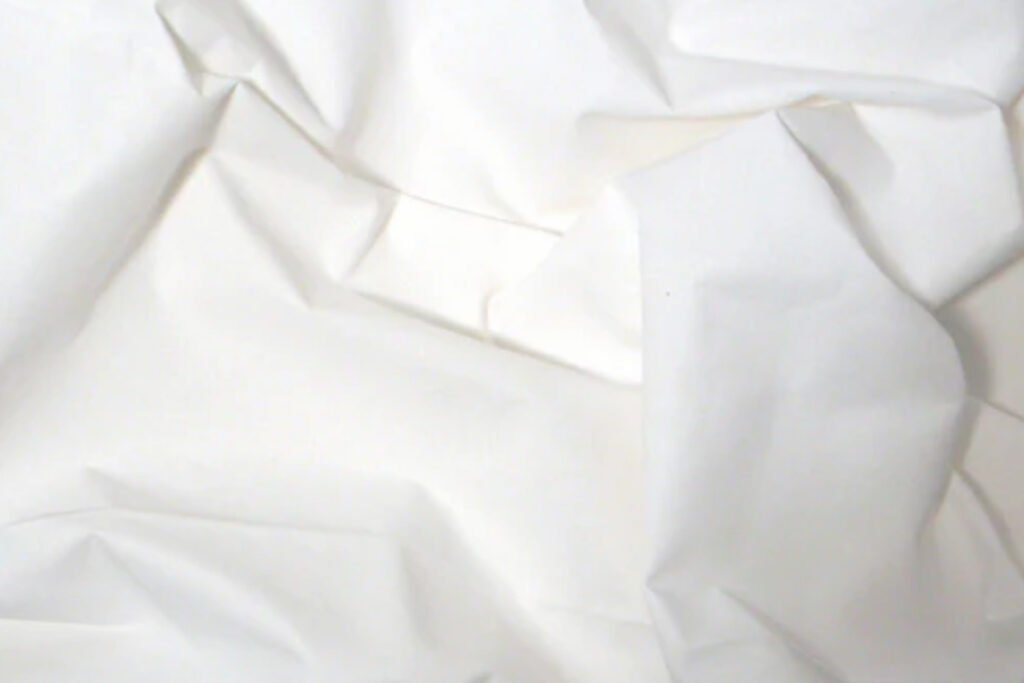
Bleached Muslin
Does Bleaching Affect Fabric Quality?
Not significantly—if the muslin is good quality.
However:
-
Over-bleached low-grade muslin may feel slightly stiffer.
-
Higher-quality bleached muslin maintains softness and durability.
Always evaluate thread density and weave consistency rather than color alone.
Understanding Muslin Weights
Muslin is available in multiple weights, usually measured in ounces per square yard (oz/yd²).
Lightweight Muslin (Typically 3–4 oz)
Lightweight Muslin
Characteristics:
-
Soft and airy
-
Slightly sheer
-
Flexible drape
-
Easy to gather
Best For:
-
Summer garments
-
Blouses
-
Baby swaddles
-
Craft lining
-
Mock-ups for lightweight fabrics
Lightweight muslin works well for testing draped garments but may distort if heavily structured.
Medium Weight Muslin (4–6 oz)
This is the most versatile category.
Characteristics:
-
Balanced structure
-
Opaque
-
Good for sewing practice
-
Holds shape without stiffness
Best For:
-
Pattern making
-
Test garments
-
Everyday sewing
-
Quilting foundation
-
Apparel prototypes
Most sewists use this as their standard muslin.
Heavy Weight Muslin (6 oz and above)
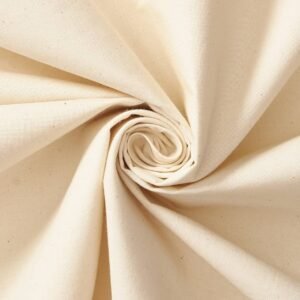
Heavy Weight Muslin
Characteristics:
-
Thicker and more durable
-
Less drape
-
Stronger structure
-
Higher opacity
Best For:
-
Jackets
-
Structured garments
-
Upholstery mock-ups
-
Photography backdrops
-
Durable tote bags
Heavy weight muslin can sometimes feel closer to canvas depending on weave density.
How to Choose the Right Combination
Here’s a simple decision guide:
| Project Type | Recommended Type |
|---|---|
| Pattern making | Unbleached, medium weight |
| Garment prototype | Unbleached, weight similar to final fabric |
| Wearable muslin | Bleached or unbleached, medium weight |
| Dyeing project | Bleached, lightweight or medium |
| Baby blankets | Lightweight, soft finish |
| Photography backdrop | Heavy weight (bleached or unbleached depending on tone) |
| Structured jacket mock-up | Heavy weight muslin |
Key Factors to Consider
Before buying muslin, ask:
✔ Do I need bright white or natural tone?
✔ Does my final garment require structure or drape?
✔ Will I dye the fabric?
✔ Do I need durability?
✔ Is breathability important?
Matching the muslin’s weight to your final fabric produces more accurate test results.
Common Mistakes to Avoid
❌ Using lightweight muslin for tailored coats
❌ Using heavy weight muslin for flowy dresses
❌ Assuming bleached equals better quality
❌ Ignoring shrinkage (always pre-wash)
Muslin shrinks—pre-washing is essential regardless of type.
Final Thoughts
Both unbleached muslin and bleached muslin have their place. The right choice depends on your project goals, desired appearance, and required structure.
Similarly, selecting between light weight muslin and heavy weight muslin isn’t about “better”—it’s about matching performance to purpose.
When chosen correctly, muslin becomes one of the most versatile and reliable fabrics in your sewing toolkit.