
When it comes to reupholstering an old sofa or selecting the perfect textile for a custom-made chair, the world of upholstery fabric is far more complex than standard garment textiles. It isn't just about picking a color or pattern; it’s about finding a material that can withstand daily wear and tear while aligning with your lifestyle.
Whether you are a professional interior designer or a DIY enthusiast embarking on a reupholstering fabric project, understanding the technical specifications of fabric and upholstery is the key to success. This guide will take you through the core metrics you must consider.
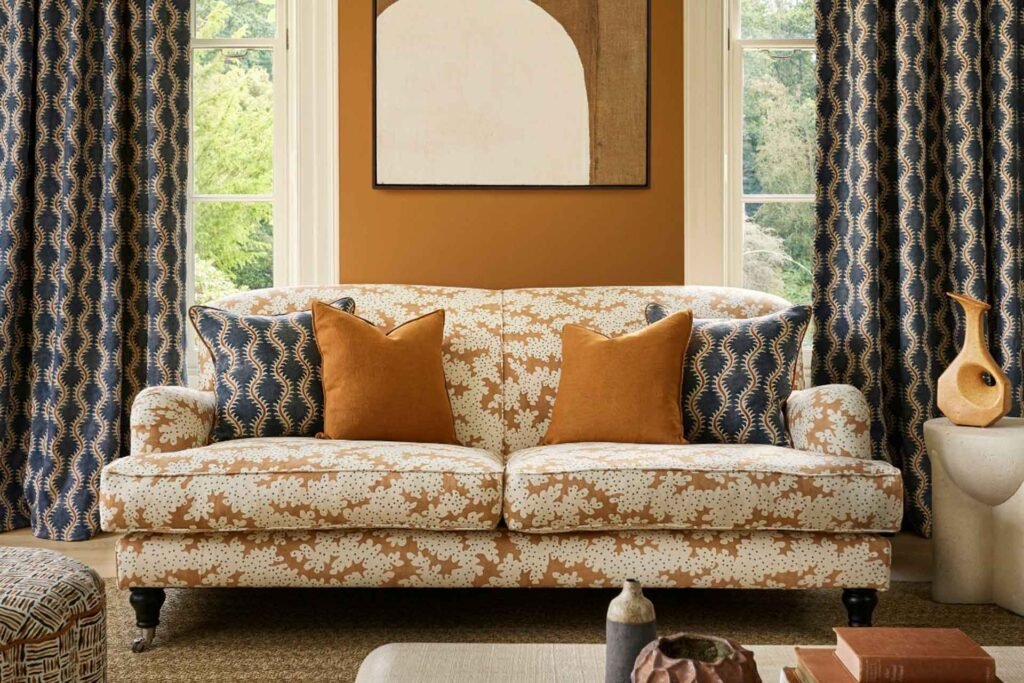
upholstery fabric
1. What is Upholstery Fabric?
Upholstery fabric refers to the heavy-duty textiles used to cover furniture such as sofas, chairs, and headboards. Unlike curtain fabrics or dressmaking materials, it requires much higher tensile strength and abrasion resistance. Choosing the correct type of upholstery textiles determines the lifespan and comfort of your furniture.
2. The Golden Metric: Understanding the Martindale Rub Test
In the specifications of professional-grade upholstery fabric, the most important number is the Martindale Rub Test (often referred to as the rub count).
This index represents the number of times a fabric can be rubbed in a continuous figure-eight motion before the threads break or the appearance degrades significantly.
-
Decorative (<15,000 rubs): Only suitable for cushions, curtains, or accent chairs that are rarely sat upon.
-
General Domestic (15,000 - 25,000 rubs): Suitable for main living room sofas with typical daily use.
-
Heavy Duty (25,000 - 30,000+ rubs): Ideal for homes with pets, children, or furniture in high-traffic areas.
-
Commercial Grade (40,000+ rubs): Designed for hotels, restaurants, and public spaces.
Pro Tip: If you are sourcing reupholstering fabric for a high-use dining bench or sectional, always aim for a rub count of 30,000 or higher.
3. Decoding Fabric Weight (GSM)
Fabric weight is usually measured in GSM (Grams per Square Meter). It directly reflects the thickness and density of the material.
-
Lightweight (200-300 GSM): Common for linen blends; best for headboards or lightweight chair backs.
-
Medium Weight (300-450 GSM): The standard range for most upholstery textiles, offering a good balance of durability and drape.
-
Heavyweight (450+ GSM): Includes heavy velvets, bouclés, or genuine leather. These feel substantial and offer maximum durability.
Higher GSM fabrics are generally denser and less likely to stretch or deform when pulled tightly over a furniture frame during the reupholstering fabric process.
4. Selection Guide by Room Type
The choice of fabric and upholstery should be tailored to the environment:
-
The Living Room: Focus on durability and stain resistance. Look for high Martindale counts and 'Performance Fabrics' that have been treated for spill resistance.
-
The Bedroom: You can prioritize soft textures over extreme durability. High-thread-count cotton or soft velvets work beautifully for headboards.
-
The Dining Room: The number one enemy here is spills. Leather, high-quality vinyl, or treated synthetic fibers are ideal because they are easy to wipe clean.
5. Color and Pattern Strategies
-
Neutrals: Best for large pieces like sectional sofas. Use colorful throw pillows to change styles, reducing the risk of 'visual fatigue' over time.
-
Dark Colors/Textures: Better at hiding pet hair or minor stains. Velvet upholstery fabric is famous for its 'nap' (the direction of the fibers), which creates a beautiful shimmer and hides wear marks effectively.
Conclusion
Choosing the right upholstery fabric is a balance of aesthetics and engineering. Before starting your reupholstering fabric project, always order swatches to see how the fabric looks in different lighting and feels to the touch. Remember: investing in high-quality fabric today means your furniture will look new for a decade or more.