
From ultra-soft bed sheets to hypoallergenic underwear, bamboo viscose is everywhere. It’s often marketed as the ultimate 'eco-fabric,' but what is the reality behind the fiber? To understand its value, we must look at how viscose made from bamboo is produced and why its physical properties are so unique.
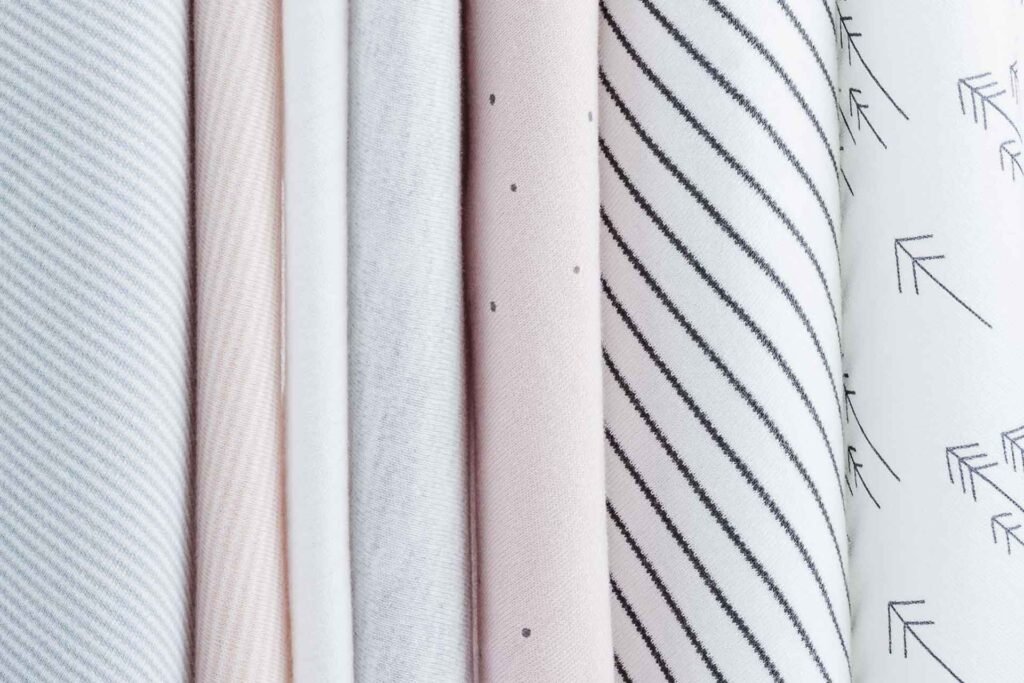
bamboo viscose fiber
1. What Exactly is Bamboo Viscose Fiber?
Many people ask if bamboo fabric is like linen or hemp. The answer is: not quite.
Bamboo viscose fiber is a regenerated cellulose fiber. The process starts with the hardy, fast-growing bamboo plant. The stalks are crushed and dissolved into a chemical solution to extract the cellulose, which is then spun into threads. While the plant is 100% natural, the finished product is a high-performance bamboo rayon fabric.
2. Why It’s the King of Comfort: Key Benefits
There is a reason why viscose fabric bamboo has taken over the 'at-home' apparel market. Its molecular structure provides several distinct advantages:
-
Legendary Softness: Bamboo viscose has a smooth, round surface that feels significantly softer than even the finest Pima cotton. It is often compared to silk or cashmere.
-
Thermal Regulation: The fiber is cross-filled with microscopic holes, providing excellent ventilation. This makes it 'cool' in the summer and 'warm' in the winter.
-
Moisture Wicking: It can absorb up to 3 times its weight in water, pulling sweat away from the skin faster than traditional synthetics.
-
Hypoallergenic: Because the fibers are long and smooth with no sharp spurs to irritate the skin, it is the ideal choice for those with eczema or sensitive skin.
3. The 'Antibacterial' Myth vs. Reality
One of the most debated topics is the 'Bamboo Kun'—a natural antibacterial agent found in the plant.
-
The Fact: In its raw, woody state, bamboo is naturally resistant to pests and bacteria.
-
The Nuance: During the chemical conversion into bamboo viscose, much of this natural agent is processed away. However, because the fabric stays drier and breathes better than cotton, it naturally inhibits the growth of odor-causing bacteria by reducing the moisture they need to thrive.
4. Ideal Applications: Bedding and Intimates
Because of its unique performance profile, bamboo rayon fabric has become the gold standard for two specific categories:
A. Luxury Bedding
Bamboo sheets are prized for their 'silky' feel without the slippery nature of satin. They stay crisp and cool, making them a favorite for 'hot sleepers.'
B. Intimates & Underwear
For base layers and underwear, the softness and moisture-wicking properties of bamboo viscose prevent chafing and maintain a healthy microclimate against the skin.
5. Is it Truly Sustainable?
The 'Eco-Friendly' label comes from the raw material. Bamboo is a miracle crop:
-
It requires no pesticides or fertilizers.
-
It grows up to 3 feet per day with minimal water.
-
It releases 35% more oxygen into the atmosphere than an equivalent stand of trees.
To ensure your bamboo fabric is truly green, look for closed-loop manufacturing and OEKO-TEX® certifications, which ensure no harmful chemicals remain in the final garment.