
Winter clothing must do more than simply cover the body—it must retain heat, manage moisture, and remain comfortable in cold environments. Among the many fabrics used for winter apparel, fleece stands out as one of the most effective materials for insulation.
From outdoor jackets to thermal blankets, fleece has become a staple in modern cold-weather clothing. But what exactly makes it so warm?
This guide explores the science behind fleece fabric, how it traps heat, and why it has become one of the best materials for winter clothing.
What Is Fleece Fabric?
what is fleece fabric
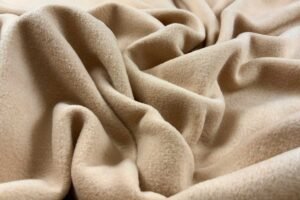
Fleece is a soft, insulating fabric typically made from polyester fibers. Unlike woven textiles such as cotton or wool, fleece is produced using a knitting process and then brushed to create a fluffy surface.
This brushing process lifts the fibers and forms thousands of tiny air pockets within the fabric. These air pockets play a critical role in thermal insulation, which is the key to fleece’s warmth.
Key Properties of Fleece
-
Lightweight yet highly insulating
-
Soft and comfortable against the skin
-
Moisture-resistant and quick-drying
-
Durable and easy to maintain
-
Excellent heat retention
Because of these properties, fleece is widely used in jackets, hoodies, gloves, hats, blankets, and outdoor gear.
The Science Behind Warmth
Warm clothing works by trapping the heat produced by the human body. The better a material traps air, the better it can retain warmth.
Fleece excels in this area due to its lofted fiber structure.
How Fleece Traps Heat
When fleece is brushed during manufacturing, the raised fibers create microscopic air spaces. These spaces:
-
Capture warm air close to the body
-
Reduce heat loss through convection
-
Create a lightweight insulating layer
Air itself is a poor conductor of heat, so when it becomes trapped inside fleece fibers, it forms a natural barrier against the cold.
This is the same principle used in down jackets and wool sweaters, but fleece achieves it with synthetic fibers.
Why Fleece Is Warmer Than Many Other Fabrics
Compared to traditional textiles like cotton, fleece offers significantly better insulation.
| Fabric | Warmth | Weight | Moisture Resistance |
|---|---|---|---|
| Cotton | Low | Medium | Low |
| Wool | High | Heavy | Medium |
| Fleece | High | Light | High |
Cotton absorbs moisture easily, which can make it feel cold in winter. Fleece, however, repels water and dries quickly, helping maintain warmth even in damp conditions.
Moisture Management: Staying Warm When Wet
One of fleece’s biggest advantages is its ability to manage moisture.
When you are active in cold weather—hiking, skiing, or walking—you naturally produce sweat. If moisture remains trapped in clothing, it can lead to rapid heat loss.
Fleece helps solve this problem in two ways:
-
Moisture wicking: It allows sweat to move away from the skin.
-
Quick drying: Polyester fibers do not absorb much water.
This makes fleece particularly effective for outdoor sports and winter activities.
Lightweight Comfort
Traditional winter fabrics such as wool can provide excellent warmth but often feel heavy and bulky.
Fleece provides comparable insulation while remaining lightweight and flexible.
Benefits of fleece clothing include:
-
Greater mobility during outdoor activities
-
Comfortable layering with other garments
-
Reduced overall clothing weight
This is why many winter clothing systems use fleece as a mid-layer between base layers and outer shells.
Types of Fleece Used in Winter Clothing
Not all fleece fabrics are identical. Several variations are used depending on the level of warmth required.
Polar Fleece
Polar fleece is the most common type used in jackets and outdoor clothing. It offers excellent insulation while remaining breathable.
Microfleece
Microfleece is thinner and lighter than traditional fleece. It works well as a base or mid-layer in mild winter conditions.
Sherpa Fleece
Sherpa fleece has a thick, wool-like texture designed for maximum warmth, often used as jacket linings.
Heavyweight Fleece
Heavyweight fleece provides the highest insulation level and is commonly used in winter blankets and cold-weather apparel.

Fleece Used in Winter Clothing
Common Uses of Fleece in Winter Clothing
Thanks to its versatility, fleece appears in many types of winter garments.
Popular Applications
-
Winter jackets and coats
-
Hoodies and sweatshirts
-
Gloves and hats
-
Thermal blankets
-
Outdoor sportswear
-
Loungewear and pajamas
Many outdoor brands rely on fleece because it balances warmth, comfort, and durability.
Sustainability and Modern Fleece
Modern fleece fabrics are increasingly produced from recycled polyester, including plastic bottles. This approach reduces waste while maintaining the same insulation performance.
Some manufacturers also develop eco-friendly fleece blends to improve sustainability in the textile industry.
Tips for Choosing High-Quality Fleece
Not all fleece fabrics offer the same level of warmth and durability. When selecting fleece clothing, consider the following factors:
Fabric weight – Heavier fleece usually provides better insulation.
Anti-pill finish – Prevents small fiber balls from forming after washing.
Construction quality – Denser fleece tends to be warmer and longer-lasting.
Choosing high-quality fleece ensures that winter garments remain comfortable and functional over time.
Conclusion
Fleece has become one of the most effective materials for winter clothing because it combines insulation, lightweight comfort, and moisture resistance.
Its unique fiber structure traps warm air close to the body, while synthetic polyester fibers help wick moisture and dry quickly. This combination makes fleece ideal for everything from casual winter wear to high-performance outdoor gear.
Whether used in jackets, blankets, or mid-layers, fleece continues to prove that modern textile engineering can deliver warmth without weight.
FAQ
Why is fleece so warm?
Fleece is warm because its brushed fibers create tiny air pockets that trap body heat and reduce heat loss.
Is fleece warmer than cotton?
Yes. Fleece provides significantly better insulation than cotton because cotton absorbs moisture and loses heat more easily.
Is fleece good for extreme winter weather?
Yes, especially when used as part of a layered clothing system with base layers and waterproof outer shells.