
When designing a wedding veil or bridal headpiece, choosing the right type of tulle fabric is essential. Not all tulle is created equal—some are soft and barely visible, while others are stiff and better suited for decorations.
Professional bridal designers typically use veiling tulle, a special type of fine mesh fabric designed specifically for wedding veils, fascinators, and headpieces.
In this guide, we’ll explore what veiling tulle is, how it differs from regular tulle, and which types are best for bridal designs.
What Is Veiling Tulle?
Veiling tulle is a lightweight, ultra-fine mesh fabric used to create bridal veils. Compared to standard craft tulle, it has:
-
A smaller mesh size
-
Softer drape
-
Higher transparency
-
More delicate texture
These features allow the fabric to float gracefully around the face and shoulders, which is why it is widely used in bridal couture.
In many bridal fabric shops, veiling tulle may also be labeled as:
-
Bridal tulle
-
illusion tulle
-
silk tulle
Each variation has slightly different characteristics depending on the fiber and weave.
Types of Tulle Used for Bridal Veils
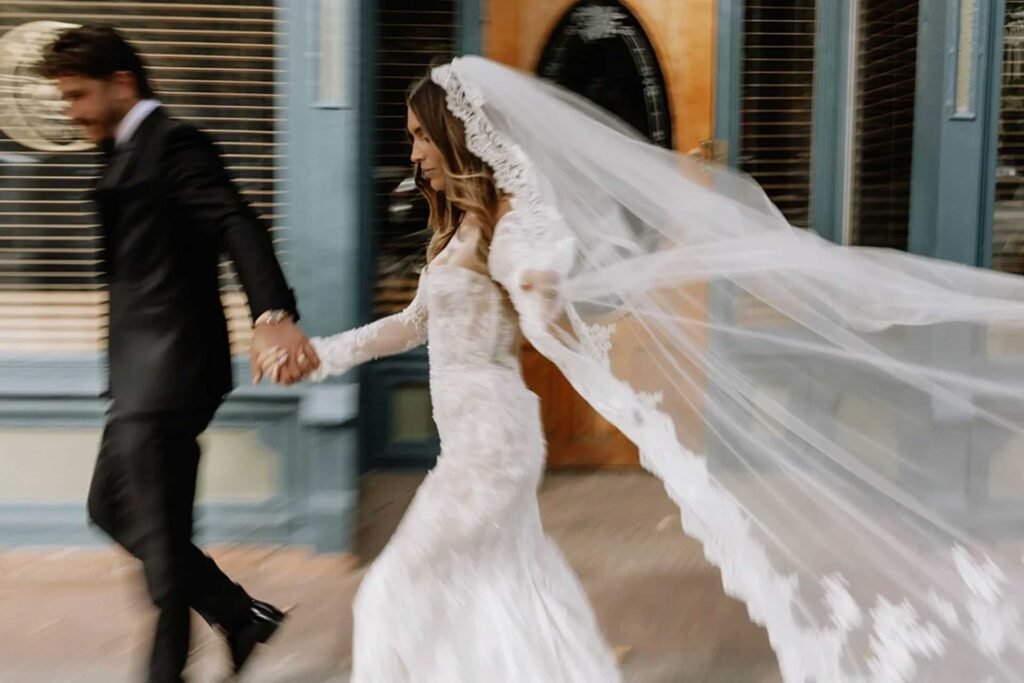
Bridal Veils
Bridal designers typically choose from several types of veiling tulle depending on the style and budget.
1. Silk Tulle (Luxury Option)
Silk tulle is considered the most luxurious veiling fabric.
Advantages
-
Extremely soft texture
-
Elegant natural drape
-
Very fine mesh
-
Lightweight and breathable
Because of its premium quality, silk tulle is commonly used for:
-
Cathedral veils
-
Couture wedding gowns
-
Luxury bridal headpieces
However, it is also the most expensive type of tulle.
2. Illusion Tulle (Most Popular)
Illusion tulle is the most widely used veiling tulle in modern bridal fashion.
Why designers love it:
-
Very transparent mesh
-
Soft yet slightly structured
-
Affordable compared to silk
Illusion tulle is ideal for:
-
Traditional bridal veils
-
Fingertip veils
-
Birdcage veils
Because it is so fine, it creates the “invisible mesh” effect often seen in bridal gowns.
3. English Tulle
English tulle offers a balance between softness and structure.
Characteristics
-
Slightly larger mesh than illusion tulle
-
Lightweight but stable
-
Soft drape
It is commonly used for:
-
Bridal veils
-
Decorative overlays
-
Bridal accessories
Designers often prefer English tulle when they want a veil that holds its shape slightly better.
4. French Tulle
French tulle is known for its refined mesh structure and durability.
Compared to other types, it has:
-
A stronger hexagonal mesh
-
Slightly more structure
-
Excellent durability
French tulle is commonly used in:
-
Bridal veils with lace edging
-
Structured veil styles
-
Bridal headpieces
Choosing the Right Veiling Tulle
Selecting the right veiling tulle depends on several factors.
Consider the Veil Style
Different veil styles require different fabrics.
| Veil Type | Best Tulle Choice |
|---|---|
| Cathedral veil | Silk tulle |
| Fingertip veil | Illusion tulle |
| Birdcage veil | French tulle |
| Mantilla veil | Illusion or silk tulle |
Consider the Desired Drape
If you want a soft, flowing veil, choose:
-
Silk tulle
-
Illusion tulle
If you prefer slightly more structure, choose:
-
French tulle
-
English tulle
Consider the Budget
Budget also plays a role when selecting bridal fabrics.
Typical price ranges:
-
Polyester illusion tulle: affordable
-
English tulle: mid-range
-
French tulle: mid-to-premium
-
Silk tulle: luxury
For many bridal designers, illusion tulle provides the best balance between cost and elegance.
Tips for Sewing Bridal Veils
Working with veiling tulle requires careful handling.
Professional tips include:
-
Use very sharp scissors for clean edges
-
Choose fine needles (size 60–70)
-
Use invisible nylon thread or fine polyester thread
-
Avoid excessive pinning to prevent snags
Many bridal designers also finish veil edges using:
-
rolled hems
-
lace edging
-
beaded trims
Final Thoughts
Choosing the right veiling tulle can dramatically affect the beauty and comfort of a bridal veil.
For most projects:
-
Illusion tulle is the most versatile option
-
French or English tulle adds structure
-
Silk tulle offers unmatched luxury
Understanding these differences helps designers and DIY brides select the perfect fabric for their wedding look.