
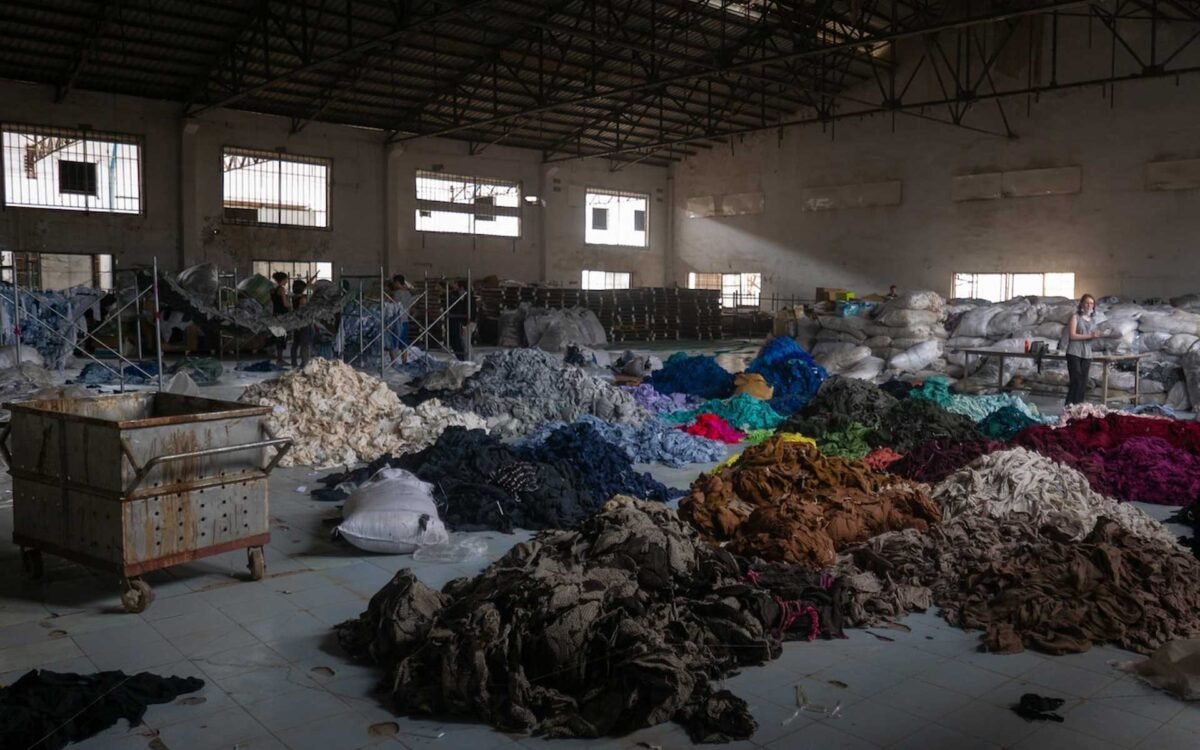
Biodegradable and Breathable: Why Cotton Fiber and Animal Wool Still Rule the Industry
In an era dominated by fast fashion and the overuse of synthetic fibers, the textile industry is facing unprecedented environmental challenges. This article takes an in-depth look at the central role of cotton fiber and wool fiber in sustainable development. By comparing the long-term environmental impact of synthetic materials, we explore why natural fibers remain the future of the industry.
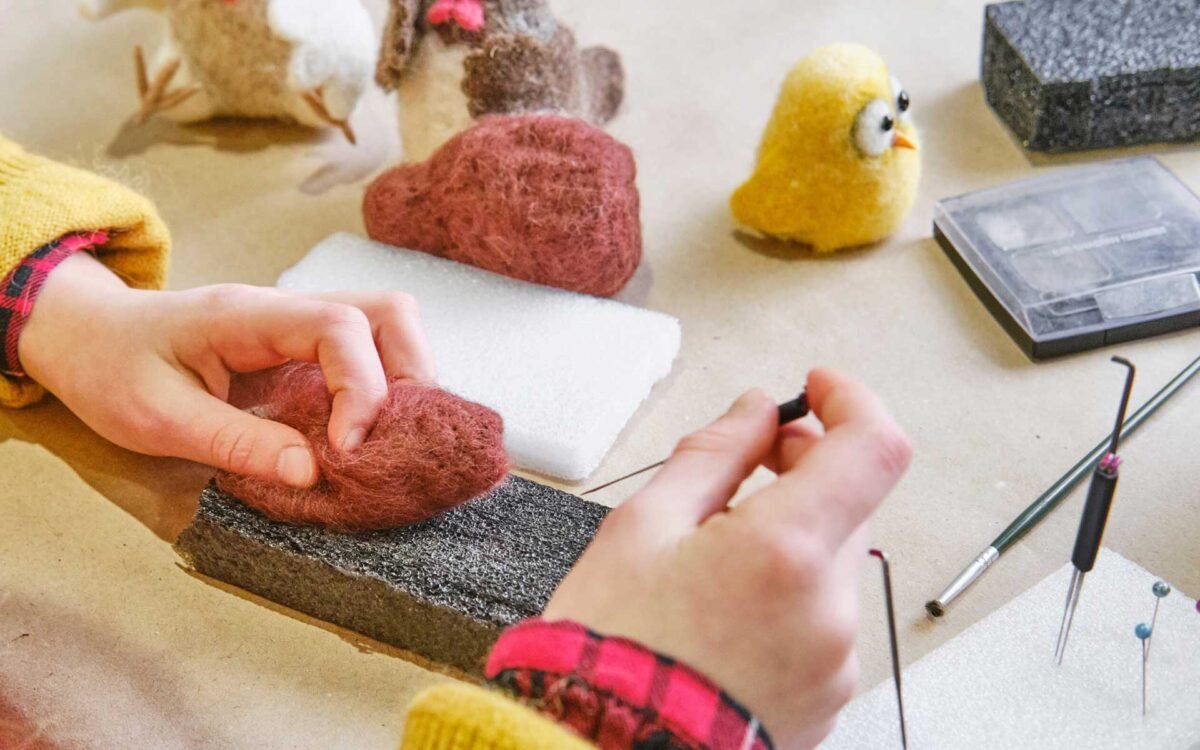
A Beginner’s Guide to Needle Felting and Wool Textures
In the diverse world of textile arts, needle felting stands out as a unique craft that transforms loose fibers into solid, 3D sculptures or intricate "painted" textures. Unlike weaving or knitting, needle felting relies on the biological structure of the fiber itself. To master this art, one must understand not just the technique, but the science behind the wool textures being used.

The Versatility of Natural Fibers: Common Uses of Wool and Cotton Cloth
Natural fibers like cotton and wool are the backbone of the textile industry, offering a range of properties that synthetic materials simply cannot replicate. This article explores the diverse uses of wool and cotton cloth, from everyday apparel to specialized industrial applications. By understanding what wool is used for and how cotton's breathability makes it ideal for home decor, businesses and designers can better select the right materials for their specific needs. TextileCloth.com provides a comprehensive, one-stop solution for these high-quality natural fibers, catering to fashion, home, and industrial sectors.
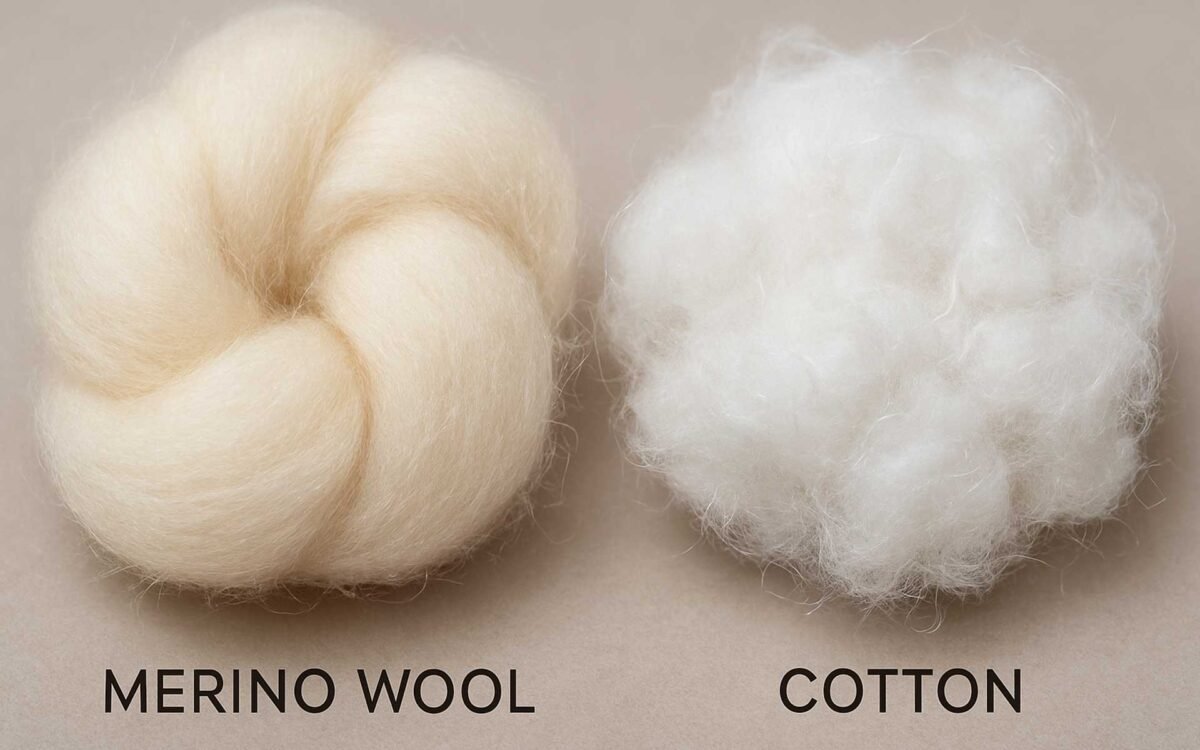
Cotton Yarn vs Wool Yarn: Choosing the Right Material for Your Next Project
Choosing between cotton yarn and wool yarn for knitting is one of the most critical decisions for any textile project. This comparison guide breaks down the physical properties of these two natural fibers—highlighting cotton's breathability and wool's insulating loft. By understanding how wool threads for knitting behave differently from cotton fibers in various climates, designers and DIY enthusiasts can make informed choices. The article also provides a professional alternative for small studios: using high-quality knitted fabrics from TextileCloth.com to achieve superior texture consistency and production efficiency compared to manual knitting.
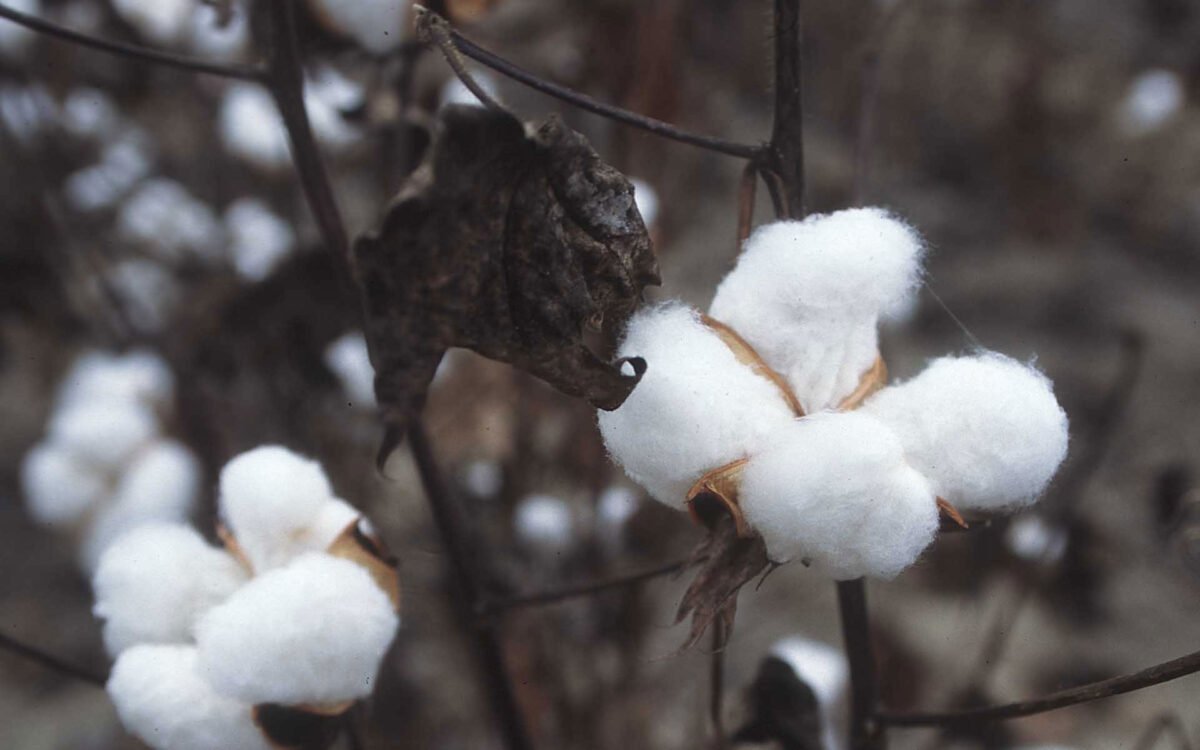
Nature’s Best: Where Does Cotton and Wool Come From?
In a market saturated with synthetic alternatives, natural fibers remain the soul of high-quality textiles due to their superior breathability, sustainability, and skin-friendly touch. But have you ever stopped to wonder: Where does cotton come from? And which animals with wool provide us with that essential winter warmth?