
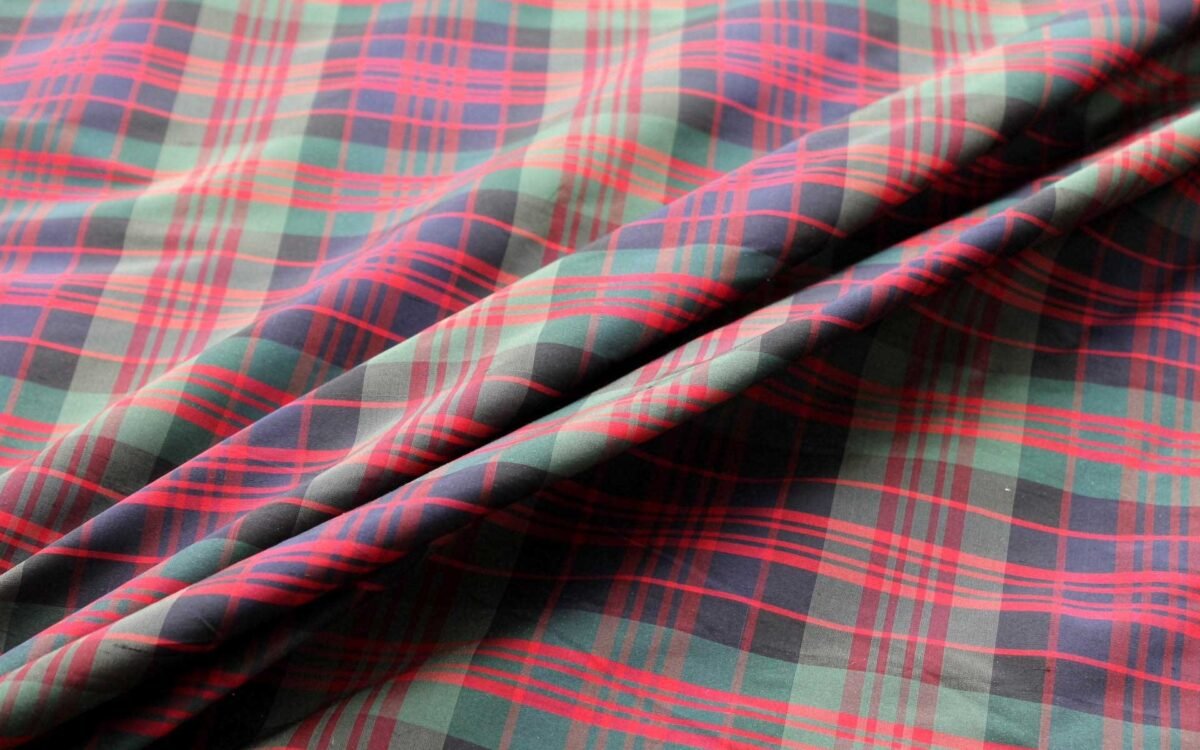
Creative Uses of Taffeta: From Moiré Effects to Iridescent Textures
Taffeta has long been associated with luxury, structure, and visual drama. Designers value it not only for its crisp hand feel but also for the unique visual effects that can be created through weaving, dyeing, and embellishment techniques. From shimmering iridescent taffeta to the distinctive ripple pattern of moiré taffeta, this fabric offers endless possibilities for creative design. Today, taffeta is widely used in couture gowns, eveningwear, stage costumes, decorative interiors, and statement fashion pieces. In this guide, we explore some of the most visually striking forms of taffeta and how designers use them to create memorable garments and textiles.
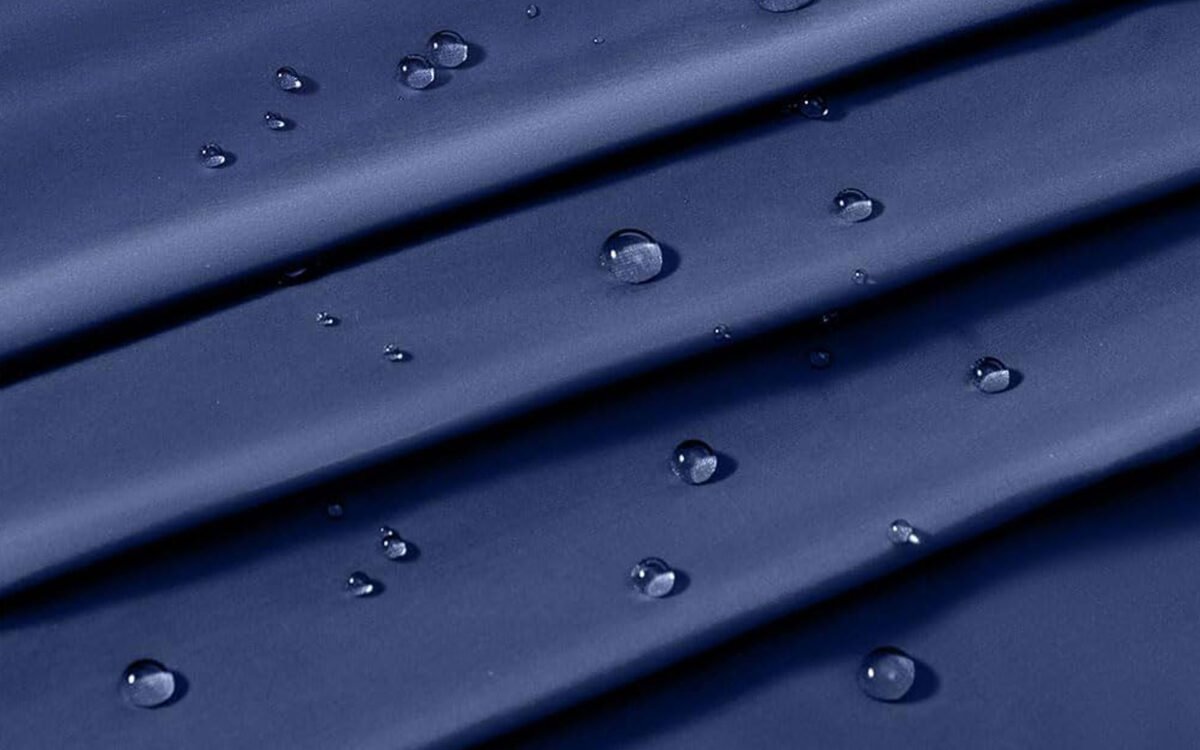
Understanding Taffeta Specs: From 190T Polyester to Waterproof Nylon Taffeta
Taffeta is widely known in fashion for its crisp texture and elegant appearance, but it also plays a major role in technical textiles and industrial applications. From jacket linings and umbrella fabric to outdoor gear and sleeping bags, modern taffeta fabrics are engineered to deliver durability, light weight, and water resistance. If you are sourcing or specifying materials, understanding taffeta specifications—such as 190T polyester taffeta, 210T taffeta, or waterproof nylon taffeta—is essential. These numbers and material choices determine the fabric’s strength, density, and performance. This guide explains the technical side of taffeta so you can choose the right fabric for clothing, outdoor equipment, or manufacturing.
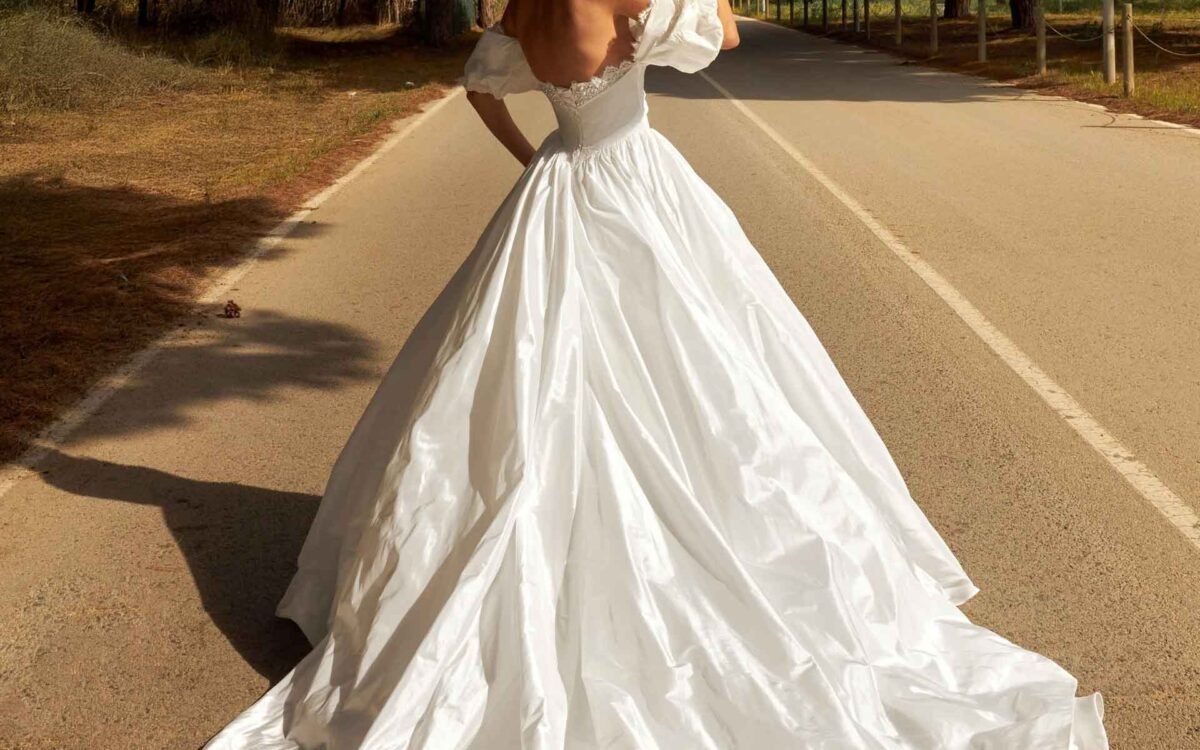
The Elegance of Taffeta Wedding Dresses: Why Designers Love Silk Taffeta Gowns
When it comes to timeless bridal elegance, few fabrics rival the beauty and structure of taffeta. Known for its crisp texture and subtle sheen, this luxurious material has long been a favorite among bridal designers. From dramatic ball gowns to sophisticated structured silhouettes, a taffeta wedding dress offers a unique combination of elegance, durability, and architectural shape. In particular, silk taffeta wedding gowns are prized for their refined appearance and ability to create striking volume without excessive weight. Whether you are a bride planning a classic ceremony or a designer searching for premium fabric, taffeta remains one of the most iconic materials in bridal fashion.
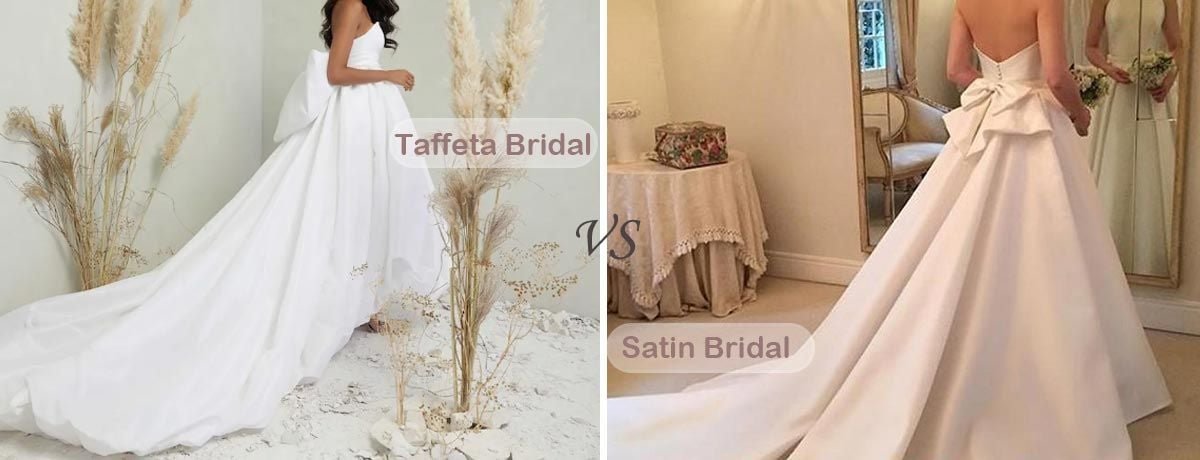
Taffeta vs Satin vs Organza: Which Fabric is Best for Your Occasion?
When choosing fabrics for formal clothing, wedding dresses, evening gowns, or event decorations, three materials often come up: taffeta, satin, and organza. While they may look similar at first glance, their texture, shine, structure, and durability are very different. Understanding the differences between taffeta vs satin, taffeta fabric vs satin, and organza fabric will help designers, DIY sewers, and buyers choose the right fabric for their project. This guide compares these fabrics in terms of shine, stiffness, durability, and price, so you can quickly determine which one best fits your needs.
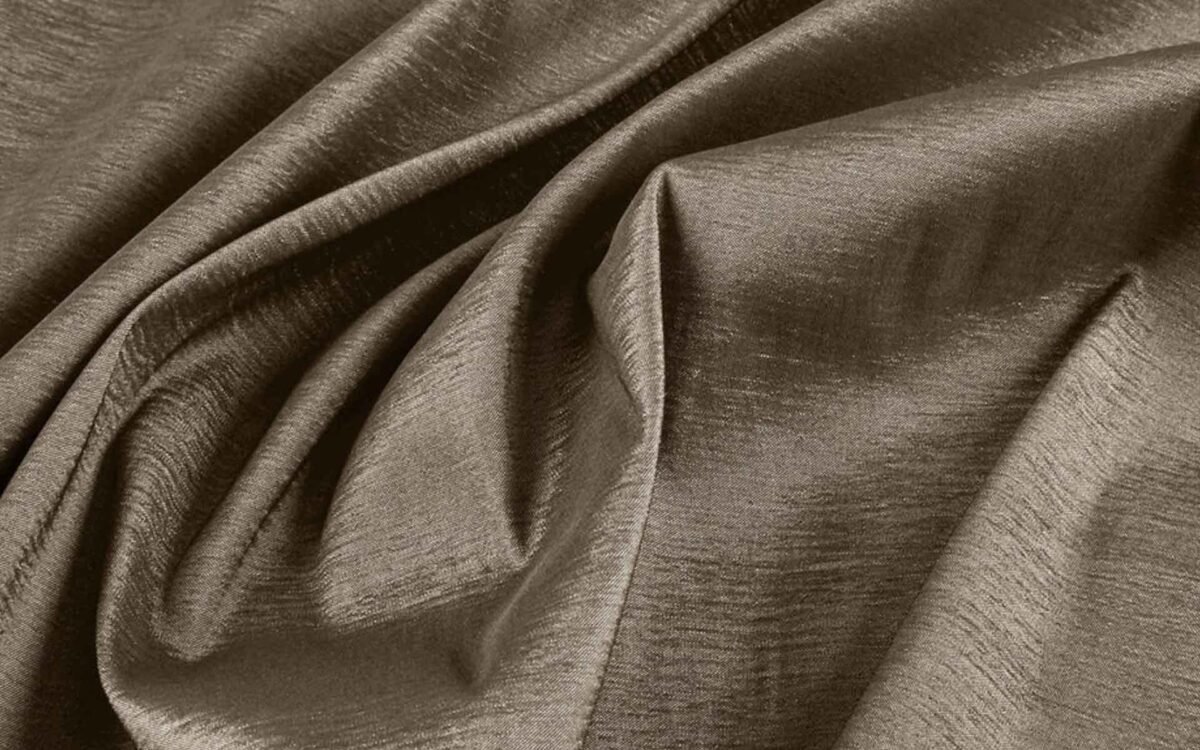
What is Taffeta Fabric? The Ultimate Guide to Properties, Types, and Uses
Taffeta fabric is a smooth, crisp textile known for its slight sheen and distinctive “rustling” or “swishing” sound when it moves. Traditionally made from silk and later from synthetic fibers such as polyester or nylon, taffeta has long been associated with formal wear, luxury garments, and decorative textiles.In this comprehensive guide, we will explore the taffeta fabric definition, explain the taffeta weave structure, and discuss the materials, properties, types, and common uses of this elegant fabric.