
As we move through 2026, the global textile industry has reached a tipping point: sustainability is no longer a 'premium option'—it is the baseline. For high-end brands and conscious manufacturers, the focus has shifted from generic rayon to high-performance, sustainable viscose fabric with a verifiable paper trail.
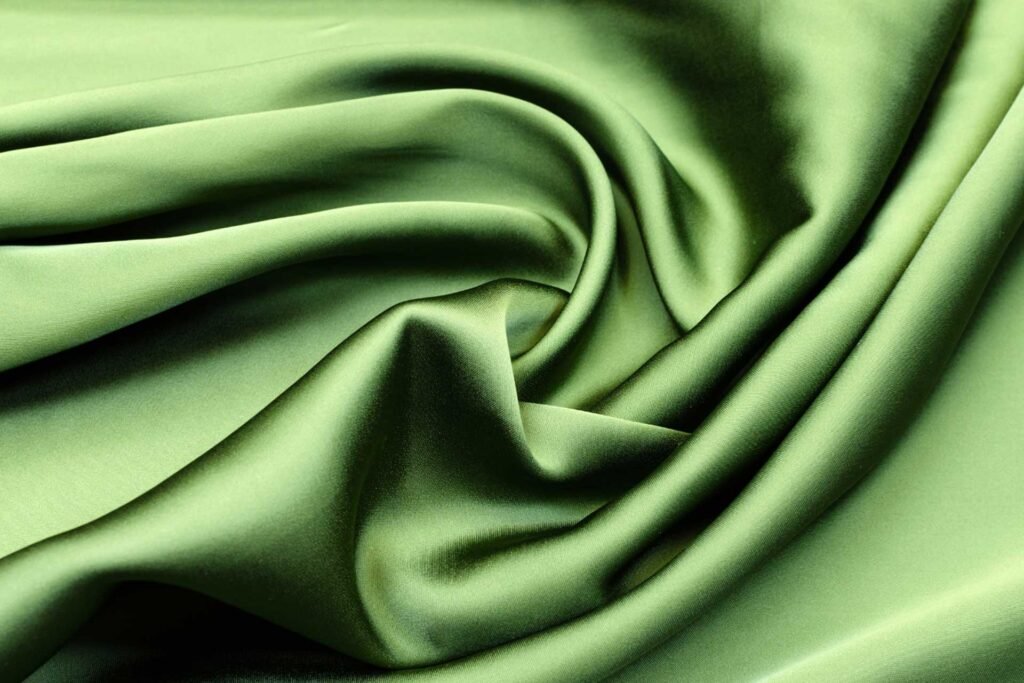
sustainable viscose fabric
At the center of this revolution are two industry leaders: Lenzing™ EcoVero™ and Livaeco™. But what exactly makes them superior to traditional viscose?
1. The Carbon and Water Footprint: A 50% Difference
Traditional viscose production has long been criticized for its heavy water usage and chemical discharge. Lenzing™ EcoVero™ changes this narrative through a rigorous eco-responsible production process.
-
Emission Reductions: EcoVero™ generates up to 50% lower CO2 emissions compared to generic viscose.
-
Water Conservation: It uses 50% less water, and the water that is used is cleaned and treated before being returned to nature.
-
The Livaeco Factor: Similarly, Livaeco viscose by Birla Cellulose focuses on low water consumption and boasts a significantly reduced greenhouse gas footprint, making both brands top choices for ESG-compliant sourcing.
2. FSC Certified Viscose: Forestry with Integrity
One of the greatest risks with traditional viscose is its link to ancient forest deforestation. High-end procurement now demands FSC certified viscose.
-
Responsible Sourcing: Ecovero viscose fabric is derived exclusively from certified and controlled wood sources (FSC® or PEFC™).
-
Zero Deforestation: This ensures that the wood pulp does not come from endangered rainforests or high-conservation-value areas, protecting global biodiversity.
3. The 'Closed-Loop' Manufacturing Magic
Why is EcoVero considered so much cleaner? It’s all in the closed-loop system.
In traditional viscose manufacturing, chemicals like carbon disulfide can be hazardous if leaked. In the EcoVero™ and Livaeco™ processes, more than 99% of the chemicals and solvents used are recovered and recycled back into the production line. This minimizes waste and ensures that toxic substances never reach the local environment.
4. Transparency & Traceability (The 2026 Standard)
The most innovative feature of these fibers is the molecular marker technology.
Did you know? Even after the fiber has been dyed, woven into fabric, and sewn into a dress, Lenzing can verify the presence of EcoVero™ fibers using a specialized tracer.
This level of traceability prevents 'greenwashing' and allows brands to confidently prove their sustainability claims to regulators and consumers alike.
5. Quick Comparison: EcoVero™ vs. Livaeco™ vs. Generic Viscose
| Feature | Generic Viscose | Lenzing™ EcoVero™ | Livaeco™ |
| Transparency | Low | High (Molecular Traceability) | High (Blockchain Traceability) |
| Eco-Labels | Rarely certified | EU Ecolabel | FSC® Certified |
| Environmental Impact | High Water/CO2 | 50% Lower | Low/Optimized |
| Biodegradability | Yes | Yes (Fast) | Yes (Fast) |
Conclusion: Why Brands are Switching
For the modern apparel buyer, choosing ecovero viscose fabric or Livaeco is about more than just ethics—it’s about future-proofing. With stricter environmental regulations in 2026, using certified, low-impact materials is the only way to ensure long-term market access and consumer trust.