
Fleece is one of the most popular fabrics for cozy clothing, blankets, and outdoor gear. From hoodies and sweatpants to blankets and winter accessories, fleece fabric offers warmth, softness, and easy care.
However, many beginners quickly discover that sewing with fleece can be tricky. The fabric is thick, slightly stretchy, and sometimes slippery, which can cause uneven seams or bulky edges.
This guide will walk you through practical sewing tips and techniques so you can handle fleece confidently—whether you’re making your first blanket or producing professional-quality garments.
Why Fleece Is Different from Other Fabrics
Before sewing, it’s important to understand the structure of fleece fabric material.
Fleece is typically made from polyester fibers that are brushed to create a soft pile surface. This brushed texture traps air, which provides excellent insulation while remaining lightweight.
Key characteristics of fleece include:
-
Soft, fluffy surface (pile)
-
Slight stretch, especially across the width
-
Non-fraying edges
-
Medium to heavy thickness
Because fleece does not fray, many projects require minimal finishing, making it a great fabric for beginners.
Choosing the Right Fleece for Your Project
Different types of fleece behave differently when sewn.
Polar Fleece
The most common option for blankets, hoodies, and jackets.
Pros
-
Warm and durable
-
Easy to sew
-
Widely available
Anti-Pill Fleece
A premium version designed to resist fabric pilling after washing.
Best for
-
Blankets
-
Lounge clothing
-
High-quality gifts
Microfleece
A thinner and lighter fleece often used in sportswear.
Best for
-
Base layers
-
Activewear
-
Lightweight garments
Heavyweight Fleece
Very thick and plush.
Best for
-
Winter jackets
-
Outdoor blankets
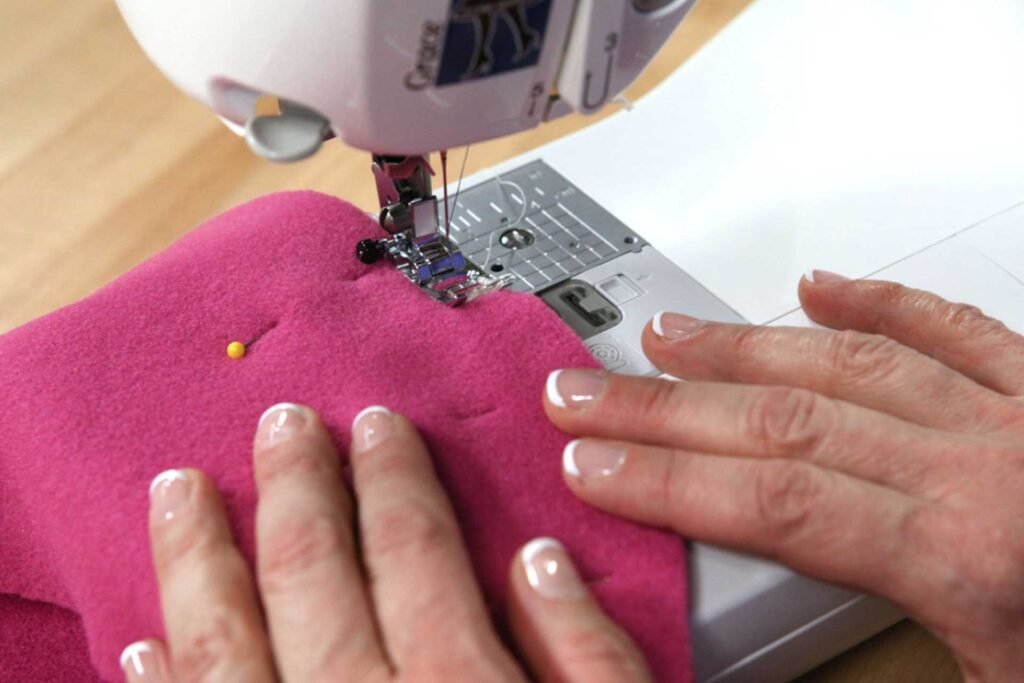
Sewing with Fleece
Essential Tools for Sewing Fleece
Using the right tools can make sewing fleece much easier.
Recommended supplies:
-
Ballpoint or stretch needles (size 80–90)
-
Polyester thread for strong seams
-
Rotary cutter for clean edges
-
Walking foot to prevent layers from shifting
-
Fabric clips instead of pins (thick fleece can distort with pins)
These tools help maintain smooth seams and accurate cutting.
Best Stitch Settings for Fleece
Because fleece stretches slightly, using the correct stitch is important.
Straight Stitch
Works well for most seams if the fabric isn’t under stress.
Recommended settings:
-
Stitch length: 3–3.5 mm
Zigzag Stitch
Better for seams that need flexibility.
Common uses:
-
Athletic garments
-
Stretch areas like cuffs or waistbands
Serger / Overlock Stitch
Professionals often use a serger for fleece garments because it:
-
Handles thick layers easily
-
Creates strong, stretchy seams
-
Produces a clean finish
Cutting Fleece Fabric Properly
Fleece can shift during cutting, which causes uneven pieces.
Follow these tips:
-
Use a rotary cutter and cutting mat
-
Cut single layers for precision
-
Pay attention to the nap (pile direction)
The nap means the fibers lean in one direction, which affects color and texture. All pattern pieces should face the same direction to keep the finished garment consistent.
How to Reduce Bulk When Sewing Fleece
One common challenge is bulky seams.
Try these techniques:
Trim Seam Allowances
Cut seam allowances slightly smaller to reduce thickness.
Grade the Seams
Trim different layers to different lengths so they stack smoothly.
Avoid Too Many Layers
When possible, simplify seam intersections.
Common Beginner Mistakes
Avoid these common problems when sewing fleece.
Using Universal Needles
Universal needles can skip stitches. Use ballpoint or stretch needles instead.
Pulling the Fabric While Sewing
Let the feed dogs move the fabric naturally to prevent stretched seams.
Ignoring Fabric Direction
Cutting pieces in different nap directions can make your project look uneven.
Easy Beginner Projects with Fleece
If you're new to sewing fleece, start with simple projects such as:
-
Fleece scarves
-
Pajama pants
-
Throw blankets
-
Pet blankets
-
Fleece hats
These projects help you practice working with fleece without complicated patterns.
Caring for Fleece Garments
Fleece is easy to maintain but requires a few precautions.
Care tips:
-
Wash in cold or warm water
-
Avoid high heat drying
-
Skip fabric softeners, which reduce softness
-
Turn garments inside out before washing
Proper care helps prevent pilling and fiber damage.
Final Thoughts
Fleece is one of the most forgiving fabrics for sewing, making it ideal for both beginners and professionals. Its warmth, softness, and non-fraying edges make it perfect for clothing, blankets, and outdoor gear.
To get the best results when sewing fleece:
-
Use ballpoint needles and polyester thread
-
Cut carefully with a rotary cutter
-
Pay attention to nap direction
-
Reduce seam bulk where possible
With the right techniques, fleece becomes an incredibly versatile material that allows you to create comfortable, durable projects for every season.