
When you shop for a high-performance rain jacket or a pair of compression leggings, the tag usually lists one of two materials: Nylon or Polyester.
Both are synthetic fibers, meaning they are man-made polymers derived from petroleum. However, in the world of activewear, they are far from identical. Understanding the nuances of nylon v polyester can be the difference between a workout shirt that stays fresh and one that feels like a plastic bag.
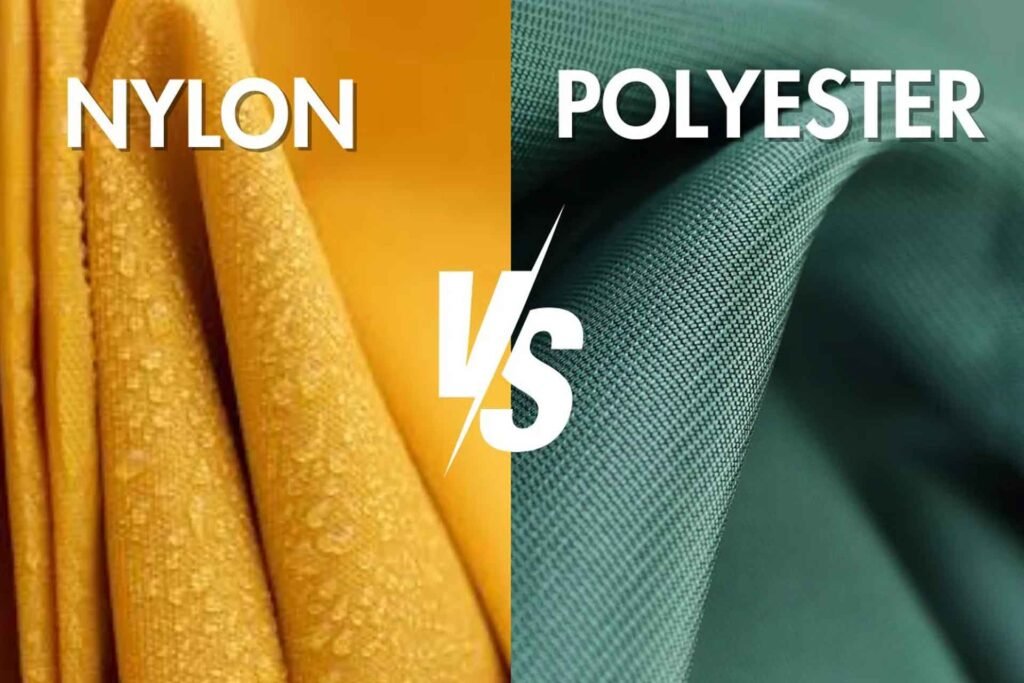
Polyester vs Nylon
1. Is Polyester Synthetic? (And is Nylon, too?)
Before we dive into the comparison, let’s clear up the terminology.
-
Is polyester synthetic? Yes. It is a polyester synthetic fibre created through a chemical reaction between acid and alcohol.
-
Is Nylon synthetic? Yes. It was the world's first fully synthetic fiber, famously invented in the 1930s as a replacement for silk.
While both are 'plastic' at their core, their molecular structures give them vastly different personalities in the gym and on the trail.
2. Strength & Durability: The Heavyweight Champ
If your priority is a fabric that can survive being dragged across rocks or stretched to its limit during a squat, Nylon is the winner.
-
Nylon: Known for its exceptional strength-to-weight ratio. It is more elastic than polyester, meaning it can stretch and snap back into shape perfectly. This is why it’s used for high-end yoga pants and parachutes.
-
Polyester: While still very durable, it is less 'stretchy' than nylon. However, it is more resistant to pilling (those tiny fuzz balls that appear on fabric), which keeps your gear looking new for longer.
3. Moisture & Waterproofing: The Weather Warrior
In outdoor scenarios, how a fabric handles water is life or death.
-
Water Absorption: Nylon is slightly 'hydrophilic,' meaning it absorbs a small amount of water. This can make a nylon jacket feel heavy and slow to dry during a downpour.
-
Polyester's Edge: Polyester synthetic fibre is 'hydrophobic.' It repels water and dries incredibly fast. For high-intensity sports where you sweat a lot, polyester is usually superior because it moves moisture away from the skin faster than nylon.
-
UV Resistance: Polyester is naturally more resistant to UV rays. If you are hiking in high altitudes or direct sunlight, a polyester shirt will protect you longer and won't degrade as fast as nylon.
4. The 'Hand-Feel': Texture and Comfort
How the fabric feels against your skin is often the deciding factor for consumers.
-
The Nylon Feel: Generally softer and smoother. High-quality nylon can mimic the feel of silk. It feels 'cool' to the touch, which is why it’s beloved for premium athletic leggings.
-
The Polyester Feel: Traditionally, polyester felt a bit 'rougher' or more like plastic. However, modern poly fabric technology has created 'brushed' polyesters that feel as soft as cotton.
5. Summary: Which Should You Choose?
| Scenario | Winner | Why? |
| Yoga & Squats | Nylon | Better stretch and recovery (no sagging). |
| Running & Gym | Polyester | Superior moisture-wicking and faster drying. |
| Backpacking Gear | Nylon | Incredible abrasion resistance for heavy loads. |
| Outdoor Sun Gear | Polyester | Better UV protection and colorfastness. |
🛍️ Shop Our Performance Collection
Equip yourself with the best synthetic technology on the market.