
Many people assume muslin and cotton are the same thing—but they’re not.
If you’re searching for the difference between cotton and muslin or trying to understand calico and muslin, this guide will clearly explain how fiber, weave, finish, and use separate these fabrics.
First: Cotton Is a Fiber, Muslin Is a Fabric
This is the most important distinction.
-
Cotton = a natural plant fiber
-
Muslin = a specific type of fabric made from cotton
So technically, muslin is cotton—but not all cotton fabrics are muslin.
Think of it this way:
Cotton is the ingredient.
Muslin is one recipe made from it.
What Is Standard Cotton Fabric?
“Standard cotton” usually refers to woven cotton fabrics like:
-
Cotton poplin
-
Broadcloth
-
Quilting cotton
-
Lawn
-
Twill
-
Canvas
These fabrics differ in:
-
Weave structure
-
Thread count
-
Weight
-
Surface finish
Cotton can be soft, crisp, thick, stretchy (if blended), or heavily structured depending on construction.
What Is Muslin?
Muslin is:
-
A plain-weave cotton fabric
-
Typically unbleached or minimally processed
-
Medium to lightweight
-
Matte in appearance
-
Affordable and versatile
Muslin is often used for:
-
Pattern making (test garments)
-
Baby blankets
-
Quilting backing
-
Craft projects
-
Casual garments
It is usually simpler and less refined than fashion cotton fabrics like poplin.
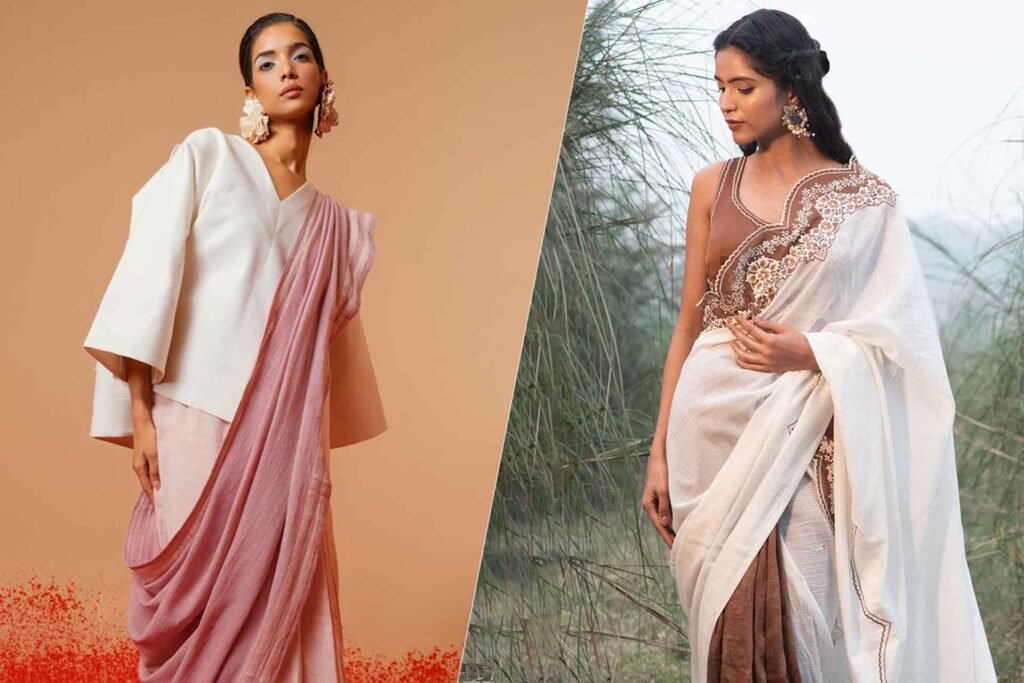
difference between muslin and chiffon
Difference Between Cotton and Muslin
Let’s compare them clearly.
1. Fiber Content
| Feature | Cotton | Muslin |
|---|---|---|
| Fiber | Cotton (can also be blended) | Usually 100% cotton |
| Type | Fiber category | Specific fabric type |
All muslin is cotton (in modern use), but cotton fabrics include many types beyond muslin.
2. Weave Structure
Muslin:
-
Plain weave only
-
Balanced, simple structure
Standard cotton fabrics:
-
Plain weave (poplin, lawn, quilting cotton)
-
Twill weave (denim, chino)
-
Satin weave
-
Canvas weave
This means cotton fabrics can vary widely in appearance and performance.
3. Finish & Processing
Muslin:
-
Often unbleached
-
Minimal finishing
-
Slightly rustic texture
Standard cotton:
-
Frequently bleached
-
Dyed, printed, mercerized
-
Softer or crisper depending on finish
Fashion cotton fabrics usually feel smoother and more refined than basic muslin.
4. Appearance
Muslin:
-
Matte surface
-
Natural cream tone (if unbleached)
-
Slightly visible weave
Standard cotton:
-
Can be bright white
-
Printed patterns
-
Smoother surface
-
Higher thread count options
Muslin looks simpler and more utilitarian.
5. Weight & Structure
Muslin:
-
Typically lightweight to medium weight
-
Moderate drape
Cotton fabrics:
-
Range from sheer lawn to heavy canvas
-
Wide variety of drape behaviors
Cotton as a category offers more diversity.
Calico and Muslin: Are They the Same?

calico and muslin
The terms calico and muslin are often confused.
Calico
-
Plain-weave cotton
-
Usually unbleached or lightly processed
-
Sometimes printed with small patterns (especially in U.S. usage)
-
Slightly coarser than muslin in some regions
Muslin
-
Plain-weave cotton
-
Often smoother
-
More commonly used for pattern making
-
Available in broader weight ranges
Regional Differences Matter
In the UK and Australia:
-
“Calico” often refers to what Americans call muslin.
In the U.S.:
-
Calico often implies printed cotton fabric.
The distinction depends heavily on geography.
When to Choose Muslin
Choose muslin if you need:
✔ Test garments (toiles)
✔ Affordable cotton
✔ Breathable fabric
✔ Natural appearance
✔ Craft or quilting foundation
Muslin is practical and cost-effective.
When to Choose Standard Cotton Fabric
Choose other cotton fabrics when you need:
✔ Polished garment finish
✔ Printed designs
✔ Specific drape (crisp or fluid)
✔ Higher thread count
✔ Specialized weave (twill, sateen)
For final fashion garments, many sewists upgrade from muslin to higher-quality cotton fabrics.
Common Misunderstandings
❌ “Muslin is lower quality cotton.”
Not necessarily—it’s simply less processed.
❌ “All cotton fabrics behave the same.”
Cotton varies dramatically by weave and weight.
❌ “Calico and muslin are interchangeable everywhere.”
Terminology depends on country.
Quick Summary
| Feature | Muslin | Standard Cotton |
|---|---|---|
| Definition | Plain-weave cotton fabric | Broad fiber category |
| Finish | Often unbleached | Frequently finished & refined |
| Variety | Limited | Extremely wide |
| Best For | Prototypes, crafts | Apparel, décor, specialty uses |
Final Thoughts
The difference between cotton and muslin comes down to specificity. Cotton is the raw fiber category; muslin is one simple, plain-weave fabric made from it.
Understanding this helps you choose the right material for your sewing project—whether you're drafting a pattern, quilting a blanket, or sewing a finished garment.