
Muslin and chiffon may both appear lightweight at first glance, but they behave very differently in garments and sewing projects. If you’re searching for the difference between muslin and chiffon, or looking for a clear chiffon definition, this guide breaks down their drape, transparency, texture, and best uses.
Chiffon Definition: What Is Chiffon?
Chiffon is a lightweight, sheer fabric made from silk, polyester, or nylon, woven in a balanced plain weave using tightly twisted yarns.
Key characteristics of chiffon material:
-
Very sheer and translucent
-
Extremely lightweight
-
Soft, fluid drape
-
Slightly grainy texture (due to twisted yarns)
-
Often used in formal or eveningwear
Chiffon is designed for elegance and movement rather than structure.
What Is Muslin?
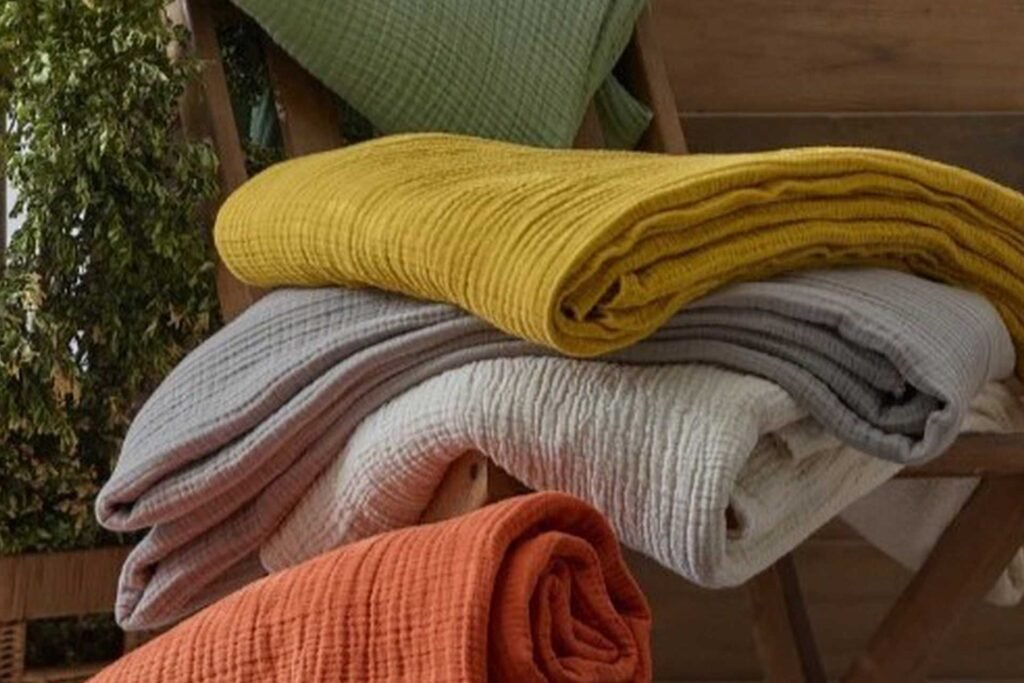
what is muslin
Muslin is a plain-weave cotton fabric, usually made from 100% cotton, known for its breathable structure and versatility.
Unlike chiffon, muslin can range from lightweight to heavy weight and is commonly used for:
-
Garment prototypes (toiles)
-
Casual apparel
-
Baby products
-
Quilting
-
Craft projects
Muslin is typically opaque (except very lightweight versions).
Difference Between Muslin and Chiffon
Let’s compare them directly across the most important factors.
1. Drape
Chiffon
-
Very fluid
-
Flows easily with movement
-
Clings softly to the body
-
Ideal for romantic silhouettes
Chiffon creates softness and motion.
Muslin
-
Moderate drape (depends on weight)
-
Holds more shape than chiffon
-
Suitable for structured or semi-structured garments
-
Less fluid overall
Muslin supports shape better but doesn’t create the same airy effect.
2. Transparency
Chiffon is almost always sheer.
Muslin ranges from:
-
Slightly sheer (lightweight)
-
To fully opaque (medium and heavy weight)
If you hold chiffon up to the light, you’ll clearly see through it. Most muslin fabrics provide far more coverage.
3. Texture
Chiffon Material
-
Slightly rough or grainy feel
-
Very fine yarns
-
Soft but delicate
Muslin
-
Soft, matte surface
-
Smooth plain weave
-
More substantial hand feel
Muslin feels more natural and breathable, while chiffon feels delicate and dressy.
4. Fiber Content
| Fabric | Common Fibers |
|---|---|
| Muslin | 100% cotton (most common) |
| Chiffon | Silk, polyester, nylon |
Polyester chiffon is especially common in modern ready-to-wear garments.
5. Durability
Muslin:
-
More durable
-
Easier to sew
-
Less prone to snagging
Chiffon:
-
Delicate
-
Snags easily
-
Requires careful handling
For beginners, muslin is significantly easier to manage.
6. Sewing Difficulty
Chiffon is considered advanced-level sewing material because it:
-
Slips during cutting
-
Frays easily
-
Requires fine needles
-
Often needs French seams
Muslin is beginner-friendly and commonly used to practice sewing techniques.
When to Choose Muslin
Choose muslin when you need:
✔ Structure
✔ Breathability
✔ Durability
✔ Opaque coverage
✔ Easy sewing
✔ Test garments
Muslin is practical and versatile.
When to Choose Chiffon
Choose chiffon when you want:
✔ Elegance
✔ Sheerness
✔ Fluid movement
✔ Formal aesthetic
✔ Lightweight layering
Chiffon is ideal for:
-
Evening gowns
-
Bridesmaid dresses
-
Scarves
-
Sheer overlays
-
Romantic blouses
Can They Ever Be Substituted?
Not realistically.
Muslin cannot replicate chiffon’s:
-
Sheerness
-
Fluid drape
-
Light-catching movement
And chiffon cannot replicate muslin’s:
-
Structure
-
Stability
-
Ease of construction
They serve very different design purposes.
Quick Comparison Summary
| Feature | Muslin | Chiffon |
|---|---|---|
| Transparency | Usually opaque | Very sheer |
| Drape | Moderate | Very fluid |
| Texture | Smooth cotton | Slightly grainy, delicate |
| Fiber | Cotton | Silk or synthetic |
| Sewing Difficulty | Easy | Advanced |
| Best For | Prototypes, casual wear | Formal, flowing garments |
Final Thoughts
The difference between muslin and chiffon comes down to purpose.
Muslin is functional, stable, and practical.
Chiffon is elegant, sheer, and movement-focused.
Understanding their drape, transparency, and texture ensures you choose the right fabric for your design—whether you're sewing a structured day dress or a flowing evening gown.