
If you’ve ever cut into expensive fabric and immediately regretted it, you already understand why making a muslin is one of the most important habits in garment sewing.
A muslin (also called a toile or test garment) is a prototype version of your project made from inexpensive fabric before committing to your final fashion material. Whether you're a beginner or advanced sewist, using muslin for sewing can dramatically improve fit, accuracy, and confidence.
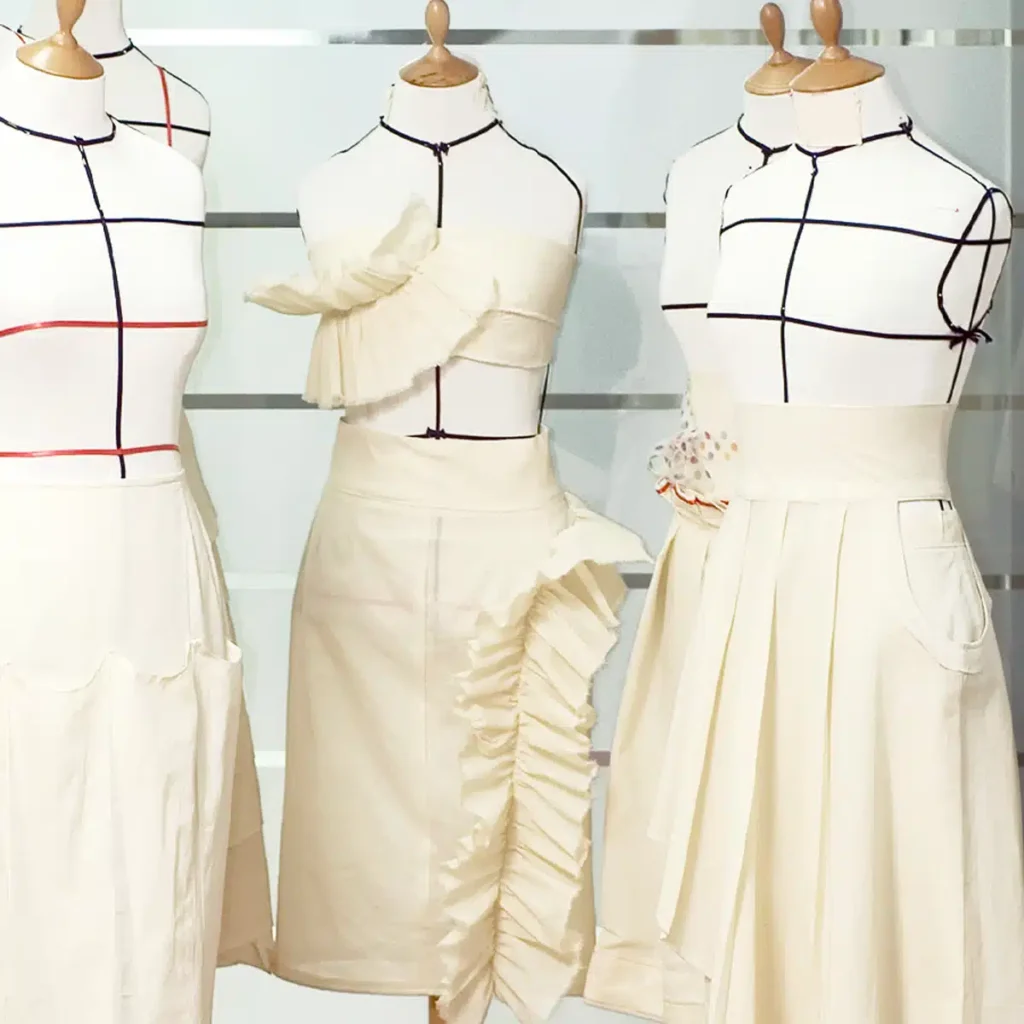
Draping Muslin
What Does “Making a Muslin” Mean?
In sewing terms, “making a muslin” means:
Sewing a test version of your garment to check fit, proportion, and construction before cutting your final fabric.
It does not always have to be made from literal muslin fabric—but traditionally, unbleached cotton muslin is used because it’s:
-
Affordable
-
Easy to sew
-
Stable (minimal stretch)
-
Easy to mark and alter
-
Widely available
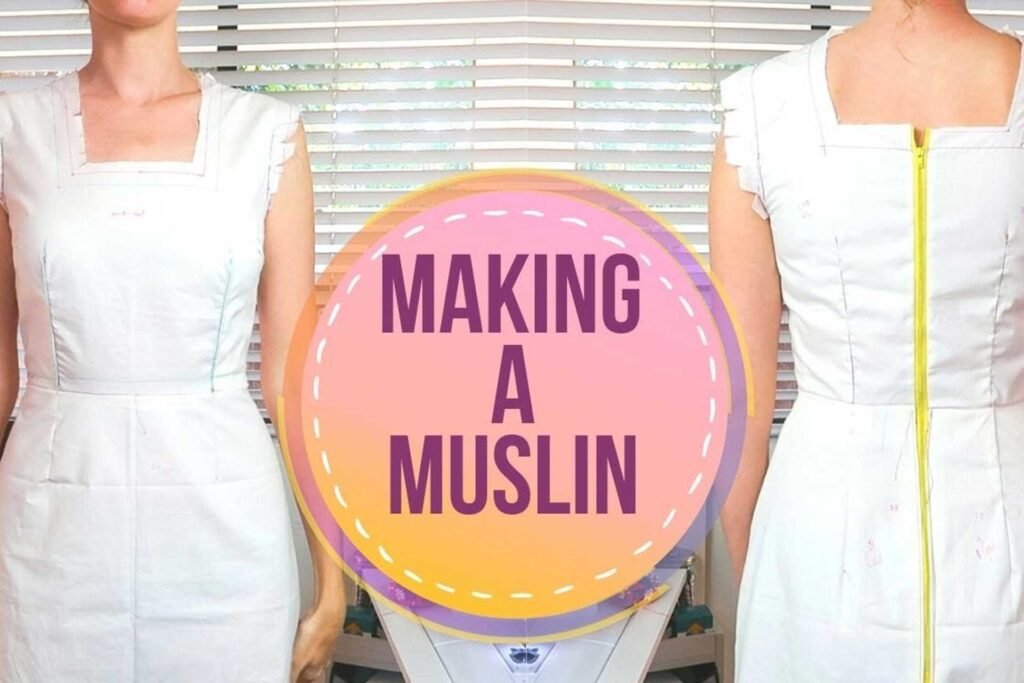
Making a Muslin
Why You Should Always Make a Muslin
1. Protect Your Expensive Fabric
Silk, wool, linen, and specialty textiles are costly. A muslin helps you:
-
Catch sizing errors
-
Adjust proportions
-
Refine seam placement
-
Test design changes
One fitting session can save you from ruining meters of premium fabric.
2. Improve Fit Dramatically
Commercial patterns are drafted for a standard fit model—not your unique body.
A muslin allows you to:
✔ Adjust bust, waist, and hip shaping
✔ Correct shoulder slope
✔ Fix gaping necklines
✔ Modify sleeve mobility
✔ Balance hem length
Fit corrections made in muslin can then be transferred permanently to your pattern.
3. Test Construction Order
Sometimes instructions don’t match your sewing style.
A prototype lets you:
-
Practice tricky collars
-
Test zipper installation
-
Try button placement
-
Refine seam finishing choices
Think of it as a rehearsal before the final performance.
What Is a “Wearable Muslin”?
A wearable muslin is a test garment made neatly enough to actually wear outside the house.
Instead of discarding the prototype, you:
-
Finish seams properly
-
Install closures correctly
-
Use decent-quality test fabric
-
Choose neutral or attractive muslin
This approach is ideal when:
-
You’re unsure about fit but still want usable results
-
You’re sewing everyday garments
-
The design is simple
Many sewists build entire wardrobes this way.
Choosing the Right Muslin for Sewing
Standard Cotton Muslin (Most Common)
Best for:
-
Dresses
-
Blouses
-
Woven pants
-
Skirts
Choose:
-
Medium weight (4–6 oz)
-
100% cotton
-
Even plain weave
When NOT to Use Standard Muslin
Muslin works best for woven garments.
Avoid it for:
-
Stretch knit garments
-
Activewear
-
Highly draped rayon styles
-
Heavy tailored coats
In those cases, use a fabric with similar stretch or drape to your final material.
Step-by-Step: Making a Muslin the Smart Way
Step 1: Prepare the Fabric
✔ Pre-wash and dry
✔ Press thoroughly
✔ Align grain before cutting
Muslin shrinks—never skip pre-washing.
Step 2: Cut With Extra Seam Allowance
Professionals often add:
-
1 inch (2.5 cm) seam allowance
This gives room for fitting adjustments.
Step 3: Mark Clearly
Transfer:
-
Darts
-
Notches
-
Grainlines
-
Waistlines
-
Bust points
Use pencil or tailor’s chalk (avoid permanent ink).
Step 4: Sew With Longer Stitches
Set stitch length to:
-
3.0–4.0 mm
This makes alterations easier.
Do not fully finish seams unless creating a wearable muslin.
Step 5: Fit and Adjust
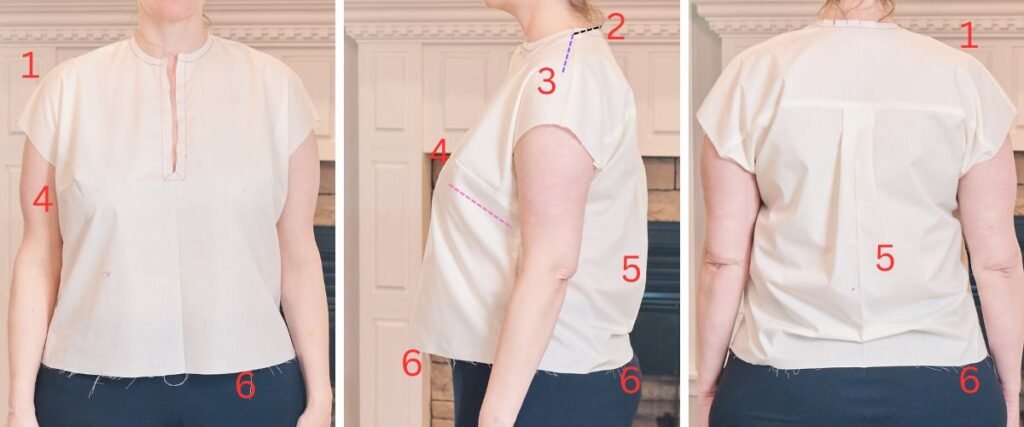
Fit and Adjust
During fitting:
✔ Pin excess fabric
✔ Mark new seam lines
✔ Check mobility (sit, walk, raise arms)
✔ Evaluate proportions in a mirror
Take photos—visual feedback is powerful.
Step 6: Transfer Corrections to Pattern
This is where many beginners stop—but this step is critical.
-
Remove muslin carefully
-
Lay flat
-
Measure adjustments
-
Update your master pattern
Now your next version will fit significantly better.
How Many Muslins Do Professionals Make?
In fashion development:
-
Simple garments → 1 muslin
-
Tailored garments → 2–3 rounds
-
Couture → multiple refinement stages
The goal is precision, not speed.
Common Mistakes When Making a Muslin
❌ Skipping it entirely
❌ Using fabric too different from final fabric
❌ Not marking changes clearly
❌ Pulling fabric too tight during fitting
❌ Forgetting to update the paper pattern
A muslin only improves results if you complete the full correction cycle.
Is It Worth the Extra Time?
Absolutely.
Making a muslin:
-
Reduces costly mistakes
-
Builds pattern literacy
-
Improves fit knowledge
-
Increases sewing confidence
-
Teaches garment engineering
Over time, you’ll need fewer adjustments because your personal block becomes refined.
Final Thoughts
Whether you’re sewing your first dress or developing a small fashion line, making a muslin is not optional if you want consistent results.
Using muslin for sewing prototypes allows you to test, refine, and perfect your garment before committing to your fashion fabric. And if you construct it carefully, a wearable muslin can even become part of your everyday wardrobe.