
If you're comparing fabrics for bedding, clothing, or sewing projects, you’ve probably searched terms like lyocell vs cotton, lyocell vs viscose, or even asked, is lyocell better than cotton?
The truth is: each fabric has strengths and trade-offs. The “better” choice depends on your priorities — comfort, durability, skin sensitivity, or sustainability.

is lyocell better than cotton
This guide breaks down the real differences so you can make an informed decision.
1. Performance Comparison: Breathability, Moisture & Durability
Although lyocell, cotton, and viscose are all plant-based fibers, their internal structures differ significantly — and that affects performance.
Breathability
-
Lyocell: Excellent breathability with active moisture regulation. It absorbs moisture into the fiber core and releases it efficiently.
-
Cotton: Naturally breathable but holds onto moisture longer.
-
Viscose (Rayon): Breathable but weaker when wet and less structurally stable.
Winner for hot climates and night sweats: Lyocell
Moisture Absorption
-
Lyocell: Highly absorbent and moisture-wicking. Keeps the skin feeling dry.
-
Cotton: Absorbs moisture well but can feel damp because it retains water.
-
Viscose: Absorbent but may lose strength when saturated.
Lyocell’s moisture management gives it an advantage in activewear and summer bedding.
Durability
-
Cotton: Strong, especially long-staple varieties. Handles high-heat washing well.
-
Lyocell: Strong for its weight, maintains shape well, but sensitive to excessive heat.
-
Viscose: Generally less durable and more prone to weakening when wet.
Most durable for long-term heavy use: Cotton
Best balance of softness and strength: Lyocell
2. Skin Feel: Which Is Most Comfortable?
When comparing lyocell vs cotton, the biggest difference is tactile.
Lyocell
-
Extremely smooth fiber surface
-
Silky, cool touch
-
Reduces skin friction
-
Drapes fluidly
Because lyocell fibers are round and uniform, they create less irritation. This makes lyocell especially suitable for:
-
Sensitive skin
-
Eczema-prone individuals
-
Allergy sufferers
Cotton
-
Slightly textured surface
-
Crisp or fluffy depending on weave
-
Comfortable but not as sleek
Viscose
-
Soft and smooth
-
Drapes well
-
Can feel delicate
If you prioritize smoothness and reduced irritation, lyocell typically feels gentler than cotton.
3. Sustainability: Lyocell vs Viscose vs Cotton
Environmental impact is where the biggest differences appear.
Lyocell
-
Made from wood pulp
-
Produced using a closed-loop solvent system
-
Solvent recovery rate typically over 99%
-
Biodegradable under proper conditions
Viscose (Rayon)
-
Also wood-based
-
Traditional production uses more chemically intensive processes
-
Lower solvent recovery in many conventional systems
-
Can contribute to water pollution if not responsibly managed
Cotton
-
Natural and biodegradable
-
Conventional cotton farming is water-intensive
-
Pesticide use can be significant unless organic
If sustainability is your top priority:
Lyocell generally offers a more controlled and environmentally optimized production process compared to traditional viscose.
4. Lyocell vs Bamboo: What’s the Difference?
Many people compare lyocell vs bamboo because bamboo fabrics are often marketed as eco-friendly.
Important clarification:
-
Most “bamboo fabric” on the market is actually bamboo viscose (chemically processed similar to rayon).
-
Bamboo lyocell exists but is less common and typically more sustainably produced.
So when comparing bamboo fabric, check whether it is:
-
Bamboo viscose (more chemically intensive process), or
-
Bamboo lyocell (closed-loop process).
The manufacturing method matters more than the plant source.
5. Does Lyocell Shrink?
This is one of the most common consumer concerns.
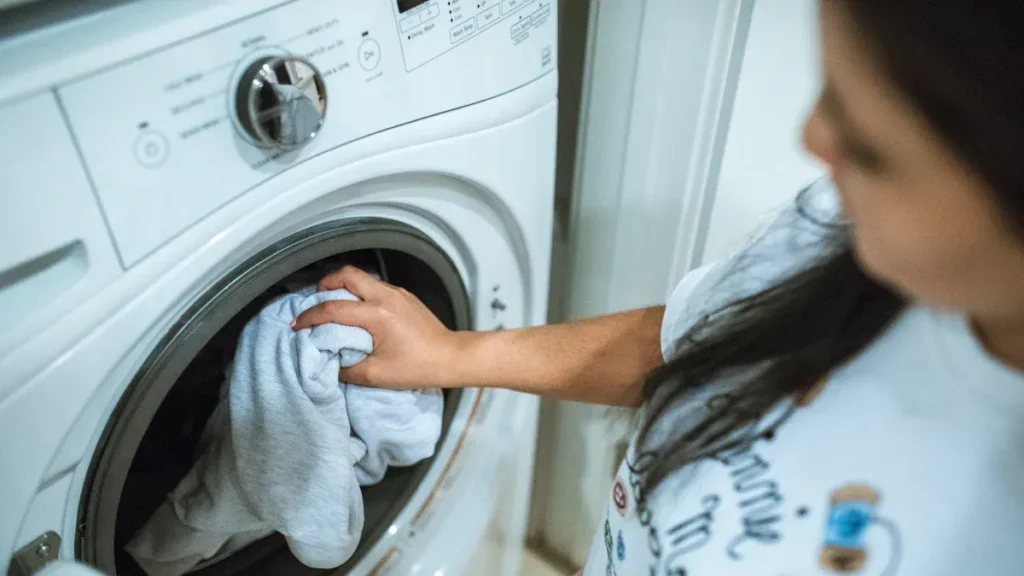
Does lyocell shrink?
Yes — but usually only under high heat.
Does lyocell shrink
Lyocell can shrink if:
-
Washed in hot water
-
Dried at high temperatures
To minimize shrinkage:
-
Wash in cold or lukewarm water
-
Use gentle cycles
-
Air dry or tumble dry on low heat
Compared to cotton:
-
Cotton may shrink more initially but tolerates heat better afterward.
-
Lyocell requires gentler care but maintains its shape well when handled properly.
6. So… Is Lyocell Better Than Cotton?
There is no universal winner — only the right fit for your lifestyle.
Choose Lyocell If:
-
You want superior moisture management.
-
You have sensitive skin.
-
You prefer a silky, smooth texture.
-
Sustainability and solvent recovery matter to you.
-
You like fluid drape in clothing.
Choose Cotton If:
-
You prefer crisp, structured fabrics.
-
You need high-heat wash durability.
-
You want maximum long-term ruggedness.
-
You love the classic feel of natural fibers.
Be Cautious With Viscose If:
-
Durability is a concern.
-
Environmental production standards are unclear.
Final Verdict
Lyocell often wins in breathability, smoothness, and modern sustainability standards. Cotton remains a durable, reliable classic. Viscose offers softness but varies significantly depending on how it’s produced.
The best fabric isn’t about marketing claims — it’s about how the material performs in your daily life.
When you understand the differences between lyocell vs cotton, lyocell vs viscose, and even lyocell vs bamboo, you can choose confidently — based on comfort, care, and long-term value.