
If you love the crisp, breathable structure of linen but wish it felt softer and flowed better — you’ve probably encountered a linen rayon blend.
Also labeled as linen and rayon, this fabric combines two very different fibers into one highly wearable material.
So what makes it special? And is it better than pure linen?
Let’s break it down.
What Is a Linen Rayon Blend?
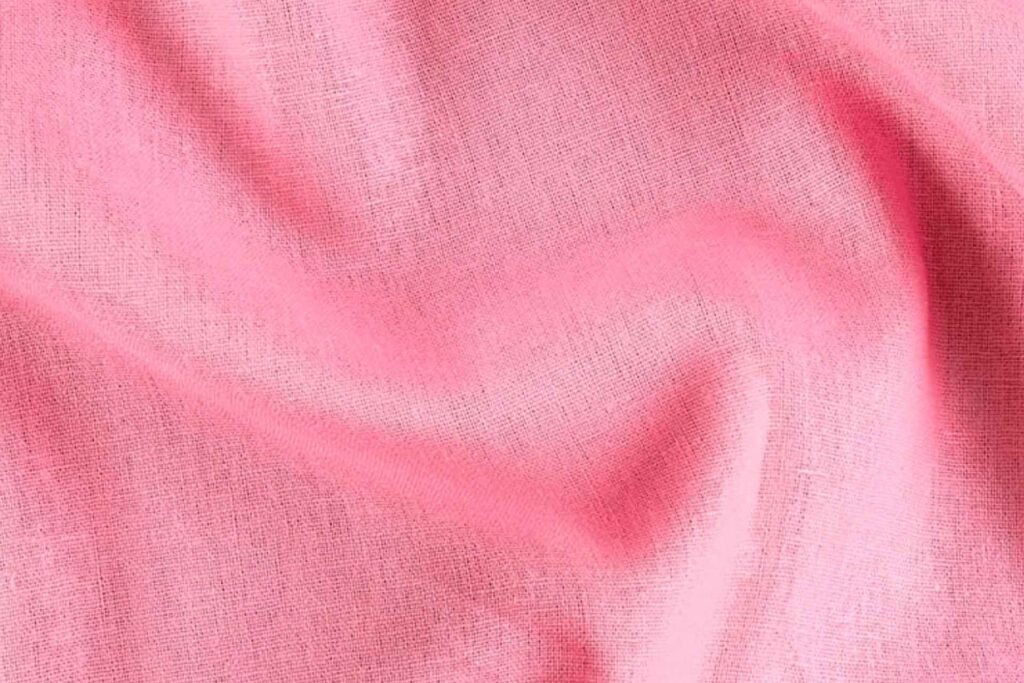
linen rayon blend
A linen rayon blend is a fabric made by mixing:
-
Linen – a natural fiber made from flax
-
Rayon (viscose) – a semi-synthetic fiber derived from wood pulp
Common blend ratios:
-
55% linen / 45% rayon
-
70% linen / 30% rayon
-
60% linen / 40% rayon
Each fiber compensates for the other’s weaknesses.
Why Blend Linen and Rayon?
What Linen Contributes
✔ Natural breathability
✔ Crisp structure
✔ Strength
✔ Classic textured look
✔ Excellent heat resistance
But linen can also:
✘ Feel stiff
✘ Wrinkle heavily
✘ Lack fluid drape
What Rayon Contributes
✔ Softness
✔ Fluid drape
✔ Smooth surface
✔ Improved comfort
✔ Reduced stiffness
However, rayon alone can:
✘ Lack structure
✘ Be less durable
✘ Feel too “flowy” for tailored looks
The Result: Structure + Movement
When combined, linen and rayon create a fabric that:
✔ Holds shape better than rayon
✔ Drapes better than linen
✔ Feels softer than pure linen
✔ Wrinkles less aggressively
✔ Looks elevated but relaxed
It’s one of the most balanced summer fabrics available.
How Linen Rayon Feels
Compared to 100% linen:
-
Softer hand feel
-
Less scratchy
-
More fluid movement
-
Slightly smoother surface
Compared to 100% rayon:
-
More body and shape
-
More breathable in dry heat
-
Less clingy
-
More natural texture
Best Uses for Linen Rayon Blend
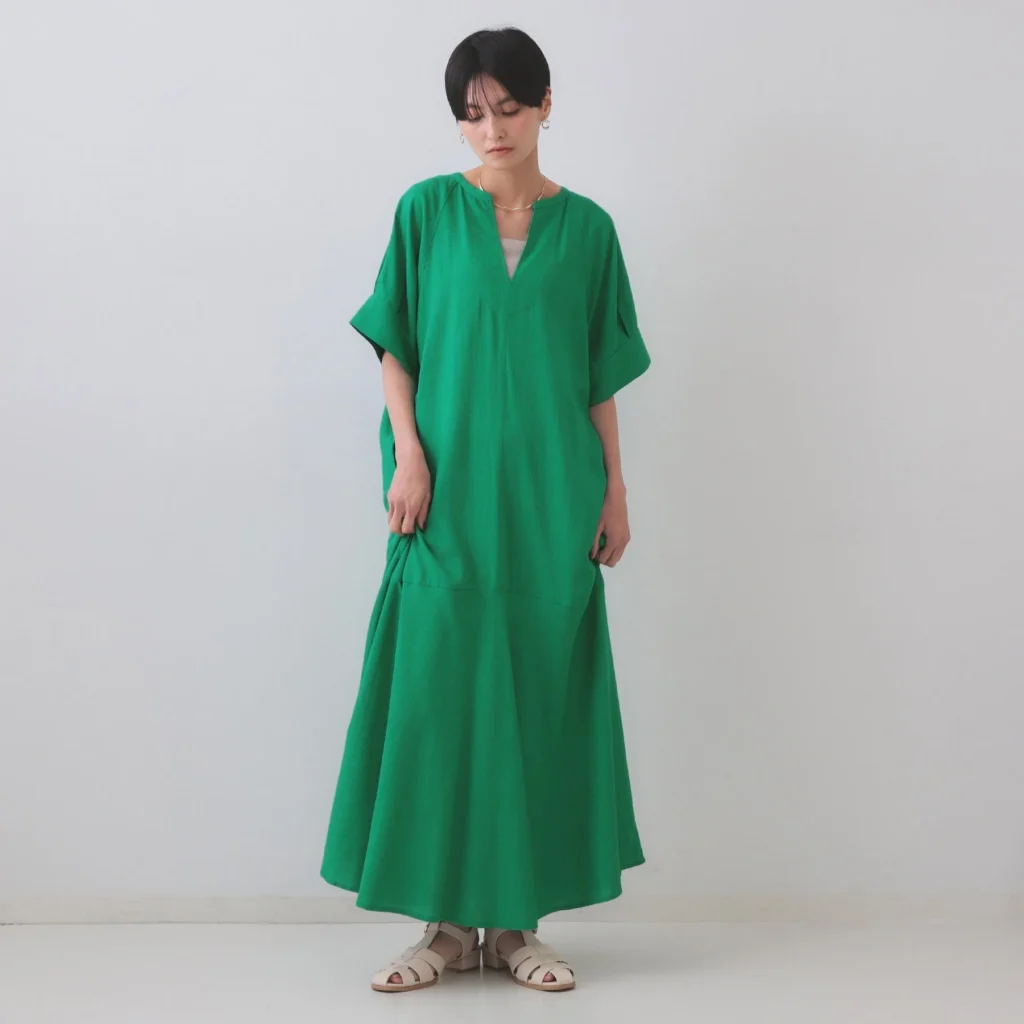
linen rayon dress
This blend is especially popular in:
✔ Summer Dresses
Structured at the bodice, flowing at the skirt.
✔ Wide-Leg Pants
Holds silhouette but moves beautifully.
✔ Blouses & Shirts
Polished yet relaxed.
✔ Tailored Shorts
Maintains crisp lines without stiffness.
✔ Resort & Vacation Wear
Breathable but elegant.
Is Linen Rayon Good for Hot Weather?
Yes — especially in dry or moderately humid climates.
Linen provides airflow and cooling properties. Rayon enhances softness and helps the fabric drape away from the body.
However:
-
In very humid climates, pure linen may feel cooler.
-
Rayon absorbs moisture but dries slower than linen.
Overall, it’s an excellent warm-weather option.
Does Linen Rayon Wrinkle?
It wrinkles — but less dramatically than pure linen.
Rayon softens linen’s stiffness, so creases:
✔ Look more relaxed
✔ Fall out more easily
✔ Appear less sharp
It still maintains that natural, effortless linen aesthetic.
Durability & Care
Compared to pure linen:
-
Slightly less durable
-
Softer but less rugged
-
More prone to shrinkage if heat-dried
Care tips:
✔ Wash cold
✔ Gentle cycle
✔ Air dry
✔ Steam to restore smoothness
Avoid high heat — rayon fibers weaken when wet and exposed to heat.
Pros & Cons of Linen and Rayon
Advantages
✔ Better drape than linen
✔ More structure than rayon
✔ Softer feel
✔ Reduced wrinkling
✔ Stylish natural look
Disadvantages
✘ Not as strong as pure linen
✘ Still wrinkles
✘ Can shrink if mishandled
✘ Less crisp than 100% linen tailoring
Who Should Choose Linen Rayon?
Choose this blend if you want:
✔ A polished but relaxed summer wardrobe
✔ Softer linen feel
✔ Flow without cling
✔ Elegant vacation outfits
✔ Lightweight structured dresses
Avoid if you need:
✘ Heavy-duty durability
✘ Very crisp tailoring
✘ Completely wrinkle-free fabric
Final Verdict
A linen rayon blend combines the best of both worlds:
-
Linen’s breathable structure
-
Rayon’s soft drape
It creates a fabric that feels natural, looks refined, and moves beautifully — making it one of the most versatile warm-weather materials available.