
Burlap is a secret weapon for gardeners. Whether you are battling a harsh winter or trying to establish a new lawn, garden burlap provides a natural, breathable solution that synthetic plastics simply cannot match. Unlike plastic, which can trap heat and suffocate roots, burlap’s open weave allows for critical air circulation and water drainage while still offering a protective barrier.
1. Winter Protection: Shielding Your Plants
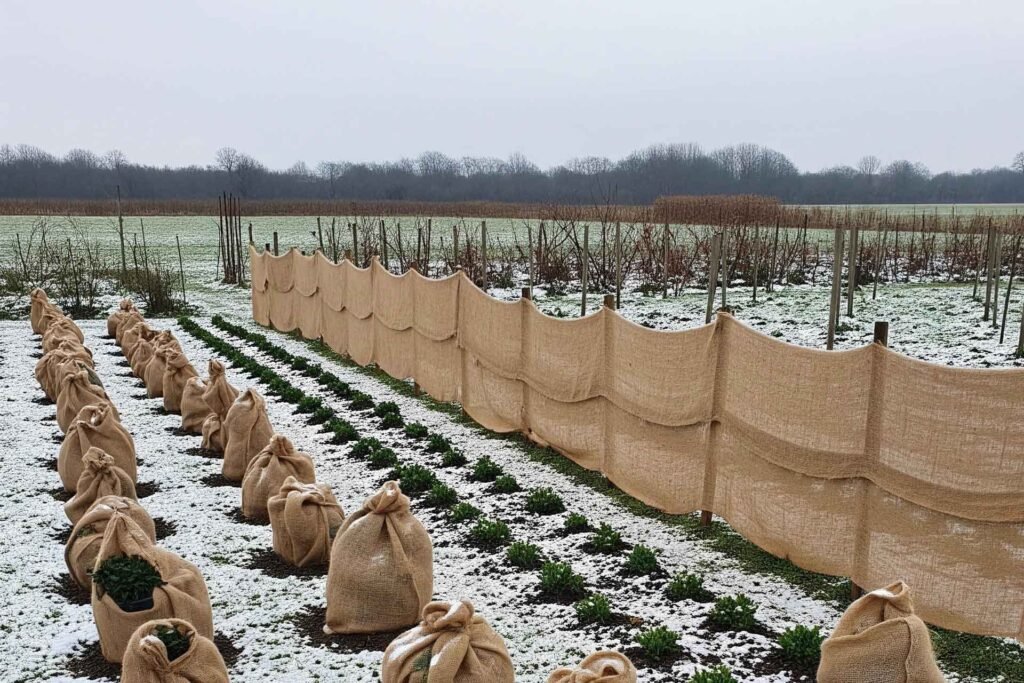
burlap for plants
One of the most common uses for burlap for plants is winter protection. Broadleaf evergreens, such as boxwoods and azaleas, often suffer from winter burn caused by freezing winds that strip moisture from leaves faster than the roots can replace it.
-
Create a Windbreak: Instead of wrapping plants tightly—which can trap moisture and cause rot—drive three wooden stakes around the plant and staple natural burlap fabric to them. This creates a screen that blocks the wind while allowing air to circulate.
-
Prevent Salt Damage: If your garden is near a road, a burlap screen acts as a vital filter against damaging de-icing salts kicked up by passing vehicles.
-
Heavy Snow Shield: Drape heavy-duty burlap over delicate shrubs to prevent heavy snowfall from splitting branches or deforming the plant's natural shape.
2. Landscaping and Soil Health
Burlap landscape fabric is a superior, eco-friendly alternative to black plastic liners. Because it is made from jute, it is fully biodegradable, eventually breaking down into the soil and improving its organic matter over time.
-
Erosion Control: On sloped areas, burlap erosion control sheets hold seeds and soil in place during heavy rain. This prevents washouts while new grass or ground cover takes root.
-
Weed Suppression: Layering landscape burlap under mulch provides an extra barrier against stubborn weeds while still allowing water and nutrients to reach the soil.
-
Seed Germination: Laying a single layer of lightweight burlap over a freshly seeded lawn can help retain moisture and protect the seeds from birds until they sprout.
3. Practical Uses for Burlap Sacks and Bags
The classic burlap bags for gardening (often called potato sacks) are incredibly versatile for more than just storage.
-
Root Balling: When moving shrubs or small trees, use jute cloth material to wrap the root ball. This keeps the soil intact and the roots moist during transport.
-
Harvest Storage: Burlap is the gold standard for storing root vegetables. Its breathability prevents the buildup of moisture that leads to mold and premature sprouting.
-
Sack Gardening: If you have limited space, you can fill large burlap bags with soil and plant directly into them for a rustic, portable container garden with excellent drainage.
Summary and Conclusion
In summary, burlap is an essential, multi-functional material that bridges the gap between industrial-strength protection and environmental sustainability. By choosing natural burlap fabric over synthetic alternatives, you are not only protecting your plants from the elements and erosion but also contributing to the long-term health of your soil. Whether you are a weekend hobbyist or a professional landscaper, incorporating burlap into your routine is a cost-effective way to ensure a resilient and beautiful garden throughout every season.