
Not all cotton is created equal. Using a delicate cotton voile to recover a sofa would result in a tear within days, while using heavy duck cloth for a summer blouse would feel like wearing a cardboard box.
To achieve professional results, you must match the fabric's technical properties to its intended use. This guide breaks down the three pillars of cotton application: Apparel, Home Decor, and Quilting.
1. Apparel: Precision and Breathability
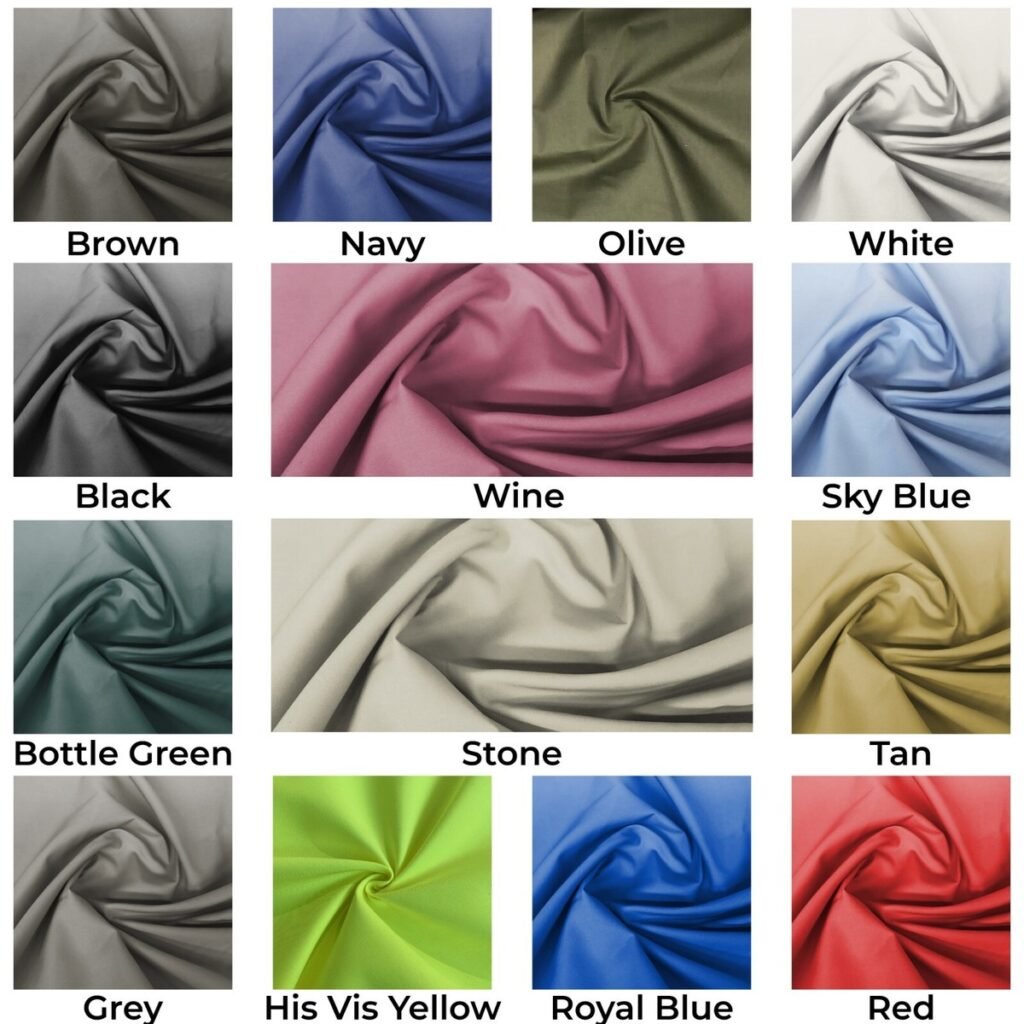
cotton fabric for clothing
When sourcing cotton fabric for clothing, the goal is 'drape'—how the fabric flows over the body—and 'hand'—how it feels against the skin.
-
Cotton Lawn & Voile: These are ultra-lightweight, high-thread-count fabrics. Cotton lawn is slightly crisper, while voile is semi-sheer and silky. Both are the premier choice for summer dresses, heirloom sewing, and luxury blouses.
-
Cotton Lining Fabric: Never overlook the interior. A high-quality cotton lining (like a soft batiste or lawn) ensures that structured garments remain breathable and comfortable against the skin, unlike sweaty synthetic linings.
2. Home Decor: Durability and The Martindale Test

cotton upholstery fabric
Cotton upholstery fabric needs to be a 'performance' material. It faces friction, sunlight, and weight that clothing never encounters.
-
The Martindale Rub Test: When buying upholstery-grade cotton, look for the Martindale rating.
-
General Domestic: 15,000–25,000 rubs.
-
Heavy Duty/Commercial: 30,000+ rubs.
-
-
Duck Canvas & Ticking: Duck cloth is the industry standard for slipcovers and workwear because of its high density. Meanwhile, cotton ticking fabric—originally designed to prevent feathers from poking through mattresses—is now a top trend for farmhouse-style cushions and heavy-duty upholstery due to its signature striped weave and incredible strength.
3. Quilting: Structure and Artistic Expression
Cotton quilting fabric is a distinct category. Unlike apparel cotton, it is specifically engineered to be 'stiff' and stable.
-
Why it feels 'Harder': Quilting cotton has a slightly lower thread count and a higher 'sizing' (starch-like coating) to make it easy to cut and sew accurately. It holds a crease perfectly, which is essential for precise patchwork and sharp corners.
-
Print Variety: Because quilters demand a massive range of colors and themes, this category offers the most diverse prints—from intricate florals to modern geometrics.
-
Pro Tip: Do not use quilting cotton for high-end apparel; it lacks the fluid drape required for flowing garments, though it works well for structured items like aprons or children’s pinafores.
4. Technical Comparison: Weight vs. Usage
| Project Type | Recommended Fabric | Typical Weight | Key Benefit |
| Summer Dresses | Cotton Lawn / Voile | 60–90 GSM | Breathable & Sheer |
| Pants / Jackets | Cotton Twill / Denim | 200–400 GSM | Abrasion Resistance |
| Patchwork Quilts | Quilting Cotton | 140–160 GSM | Easy to Sew / Low Fray |
| Sofas / Chairs | Cotton Upholstery / Duck | 350+ GSM | High Martindale Count |
| Mattress Covers | Cotton Ticking | 250–300 GSM | Puncture Resistant |
5. Sourcing for Your Next Project
Whether you are a professional designer or a weekend hobbyist, the quality of your base material dictates the longevity of your work.
-
For Designers: We offer specialized bulk procurement options with consistent dye-lot matching for large upholstery or apparel runs.
-
For Crafters: Need a specific length? You can buy our entire collection of premium cotton fabric by the yard, allowing you to get exactly what you need without waste.
Shop the Collection: [View our Cotton Fabric by the Yard] |