
For decades, fashion forced us to compromise: choose the durability of synthetics or the natural comfort of cotton. Tencel™ lyocell has reshaped that equation. By combining strength, softness, moisture management, and sustainability, it now appears in everything from relaxed denim to high-performance athletic wear.
If you’ve ever worn a garment that feels exceptionally soft yet holds its shape wash after wash, there’s a strong chance it contains a Tencel blend.
Let’s explore why.

tencel clothing
1. Tencel Denim: The Secret Behind Softer Jeans
Traditional denim is typically made from 100% cotton. While durable, it can feel stiff, heavy, and abrasive until broken in over time.
Why Brands Add Tencel to Denim
Smoother Fiber Structure
Tencel fibers are rounder and smoother than cotton, reducing surface friction and improving comfort.
Improved Drape
Because Tencel is more fluid and flexible, Tencel-blend denim falls more naturally. This makes it ideal for:
-
Wide-leg jeans
-
Denim dresses
-
Lightweight chambray
-
Relaxed summer silhouettes
Instant Softness
Modern “soft-touch” denim often relies on Tencel to eliminate the rigid, cardboard-like feel of raw cotton. The result is denim that feels broken-in from day one.
Importantly, Tencel does not weaken the fabric — it enhances comfort without sacrificing structural integrity.
2. Is Tencel Fabric Stretchy? Clearing Up the Confusion
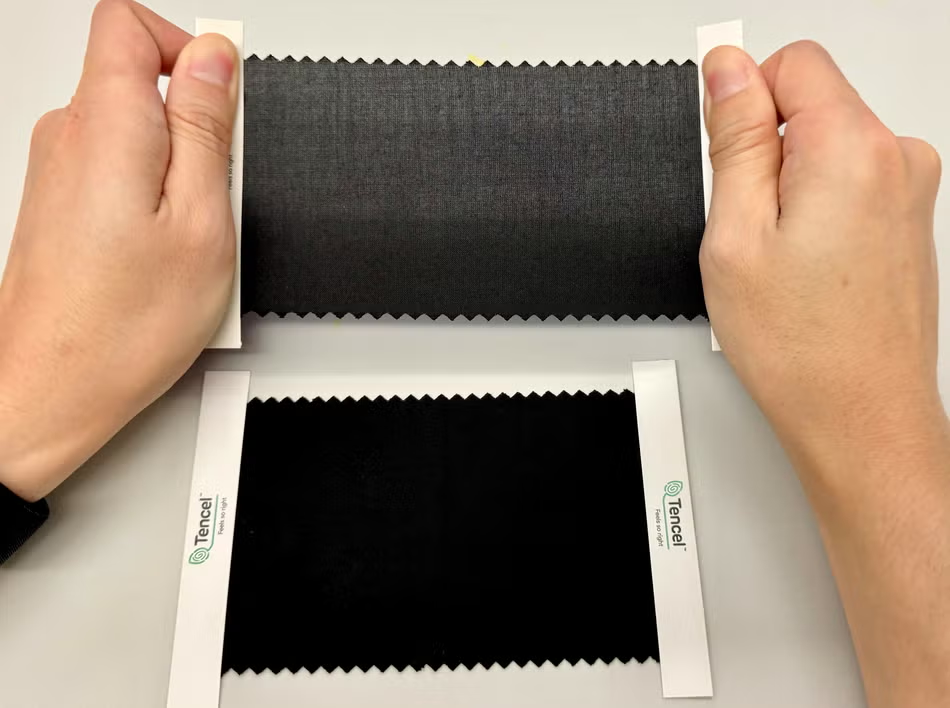
Tencel Fabric Stretchy
A common question among shoppers and sewists is: Is Tencel stretchy?
The Reality
-
100% woven Tencel has minimal natural stretch.
-
It is dimensionally stable and maintains its shape well.
-
It drapes beautifully but does not behave like elastic fabric.
How Stretch Is Added
To create flexibility, manufacturers blend Tencel with elastane (Spandex/Lycra), typically between 3% and 8%.
This combination:
-
Provides 2-way or 4-way stretch
-
Maintains breathability
-
Preserves Tencel’s cooling and moisture-wicking properties
This is why you’ll often see Tencel used in:
-
Yoga wear
-
Fitted tops
-
Stretch denim
-
Performance leggings
Stretch comes from elastane — comfort and drape come from Tencel.
3. The Power of Blending: Why Tencel Works So Well With Other Fibers
Tencel is known in the textile industry as a “performance enhancer.” It improves the feel and moisture behavior of other fibers without overpowering them.
Cotton-Tencel Blend: The Everyday Upgrade
Why it works:
Cotton provides structure and durability. Tencel adds softness, sheen, and improved moisture regulation.
The result:
-
Stronger than pure cotton
-
Softer hand feel
-
Less wrinkling
-
Better color retention
-
Improved drape
This blend is common in shirts, bedding, and everyday basics.
Tencel & Linen: The Summer Solution
Linen is breathable but notoriously prone to wrinkling.
Why the blend works:
Tencel softens linen’s coarse texture and improves its wrinkle recovery.
The result:
-
Same airy breathability
-
Noticeably smoother feel
-
More fluid drape
-
Reduced stiffness
Perfect for warm-weather garments that need polish without sacrificing comfort.
Tencel & Wool: Smart Temperature Regulation
In performance and premium knitwear, Tencel is often blended with merino wool.
Why it works:
Wool regulates temperature naturally. Tencel enhances moisture absorption and speeds evaporation.
The result:
-
Faster moisture transfer
-
Reduced clamminess
-
Improved softness
-
Year-round comfort
This blend is frequently used in:
-
Active base layers
-
Travel clothing
-
High-performance outdoor apparel
4. Why Tencel Is Gaining Ground in Modern Fashion
Tencel offers a rare balance of:
-
Softness comparable to silk
-
Strength comparable to cotton
-
Moisture management superior to many natural fibers
-
Biodegradability under proper conditions
-
Responsibly sourced wood pulp inputs
As consumers increasingly value both comfort and sustainability, Tencel aligns with modern expectations of performance-driven, environmentally conscious fashion.
Final Thoughts: Should You Choose Tencel?
Whether you're investing in ready-to-wear clothing or sourcing fabric by the yard for sewing, Tencel provides versatility that few traditional fibers can match.
It enhances:
-
Comfort
-
Drape
-
Breathability
-
Aesthetic refinement
From denim to activewear, Tencel represents the evolution of textile engineering — where softness meets strength, and sustainability meets performance.