
When planning winter sewing projects—whether blankets, pajamas, scarves, or home décor—two fabrics usually dominate the conversation: fleece and flannel fabric.
Both materials are known for their softness and warmth, but they behave very differently in real-world use. Fleece is a synthetic fabric designed for insulation, while flannel fabric is a brushed cotton textile traditionally used in cozy clothing.
So which one is actually warmer? And which should you choose for your project?
In this guide, we’ll compare fleece vs flannel fabric in terms of warmth, durability, comfort, and best uses to help you make the right choice.
What Is Fleece Fabric?
Fleece is a synthetic fabric made primarily from polyester fibers. It was originally developed as a lightweight alternative to wool and has become one of the most popular winter textiles.
Key Features of Fleece
-
Excellent insulation
-
Lightweight yet warm
-
Moisture resistant
-
Quick-drying
-
Soft and slightly stretchy
Because fleece traps air between its fibers, it retains heat efficiently, making it popular for:
-
Winter jackets
-
Outdoor gear
-
Throw blankets
-
Cold-weather clothing
What Is Flannel Fabric?
Flannel fabric is a soft woven textile traditionally made from cotton, wool, or cotton blends. The fabric is brushed during manufacturing, creating a fuzzy surface that increases warmth and softness.
Key Features of Flannel Fabric
-
Soft brushed surface
-
Natural fiber feel
-
Breathable and comfortable
-
Moderate warmth
-
Classic plaid patterns
Flannel is widely used for:
-
Pajamas
-
Bed sheets
-
Shirts
-
Lightweight blankets
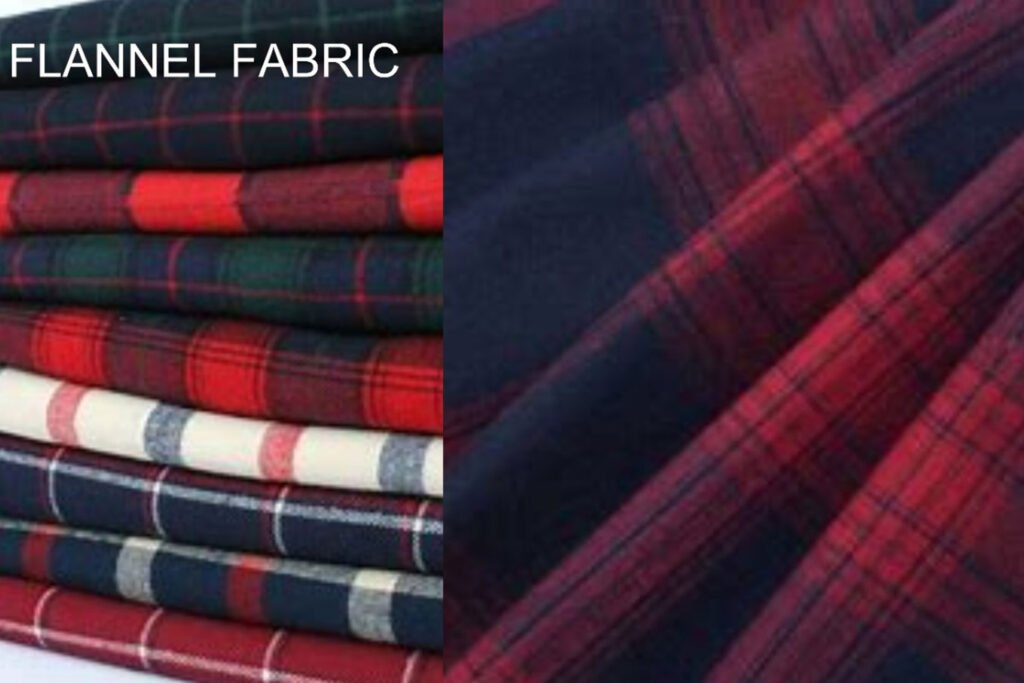
flannel fabric
Fleece vs Flannel Fabric: Key Differences
Although both fabrics feel cozy, their construction and performance are quite different.
| Feature | Fleece | Flannel Fabric |
|---|---|---|
| Material | Polyester | Cotton or wool |
| Warmth | Very warm | Moderately warm |
| Breathability | Medium | High |
| Moisture resistance | High | Low |
| Weight | Lightweight | Slightly heavier |
| Stretch | Slight stretch | Little to no stretch |
The biggest difference is insulation. Fleece traps more air, making it better for cold outdoor conditions.
Which Fabric Is Warmer?
If your goal is maximum warmth, fleece is usually warmer than flannel fabric.
Why Fleece Retains More Heat
Fleece is manufactured with a lofted fiber structure, meaning the fibers are raised to create tiny air pockets. These pockets trap body heat and provide insulation similar to wool.
Flannel fabric, on the other hand, is woven more tightly. Even though the brushed surface adds softness, it does not trap as much air as fleece.
Quick Verdict
-
Coldest weather: fleece
-
Mild winter comfort: flannel fabric
Best Uses for Fleece
Fleece performs best in projects that require maximum warmth and durability.
Common Fleece Projects
-
Winter blankets
-
Outdoor jackets
-
Hoodies and sweatshirts
-
Pet blankets
-
Camping gear
Fleece is also popular for no-sew tie blankets because the fabric does not fray.
Best Uses for Flannel Fabric
Flannel fabric excels in projects where comfort and breathability matter more than heavy insulation.
Popular Flannel Projects
-
Pajamas
-
Bed sheets
-
Shirts
-
Baby blankets
-
Quilts
Because flannel fabric is breathable and soft against the skin, it is often preferred for sleepwear.
Durability Comparison
Another important factor when choosing winter fabrics is durability.
Fleece Durability
High-quality fleece is:
-
resistant to shrinking
-
quick-drying
-
long-lasting
However, cheaper fleece may develop pilling after repeated washing.
Flannel Durability
Flannel fabric is durable but requires more care.
It can:
-
shrink if washed in hot water
-
wrinkle easily
-
wear thinner over time
Proper washing helps extend the life of flannel garments.
Which Fabric Is Better for Blankets?
Both fabrics can make excellent blankets, but they serve different purposes.
Choose fleece if you want:
-
a very warm winter blanket
-
a lightweight throw
-
a quick DIY project
Choose flannel fabric if you want:
-
breathable bedding
-
a quilt layer
-
a soft baby blanket
Many blankets actually combine flannel on one side and fleece on the other to get the best of both fabrics.
Cost Comparison
Pricing can vary depending on quality and brand.
Generally speaking:
-
Flannel fabric is often cheaper for basic cotton versions.
-
High-quality anti-pill fleece may cost slightly more but lasts longer.
When buying fabric for large projects, many people purchase fleece or flannel fabric by the yard to reduce costs.
Conclusion
Both fleece and flannel fabric are excellent materials for winter sewing projects, but they serve different purposes.
Fleece provides maximum warmth, insulation, and durability, making it ideal for blankets and outdoor clothing. Flannel fabric offers breathability, softness, and classic comfort, which makes it perfect for pajamas and bedding.
If your priority is warmth during cold winter weather, fleece is usually the better choice. But if you want a softer, more breathable fabric for everyday comfort, flannel fabric remains a timeless option.
FAQ
Is flannel fabric warmer than fleece?
No. Fleece is generally warmer because its synthetic fibers trap more air, creating better insulation. Flannel fabric provides moderate warmth but is more breathable.
Is flannel fabric good for winter clothing?
Yes. Flannel fabric is widely used for winter pajamas, shirts, and bedding because it is soft, breathable, and comfortable against the skin.
Can fleece and flannel be used together?
Yes. Many blankets and clothing items combine fleece and flannel fabric to balance warmth, comfort, and breathability.