
When sourcing chenille for a project, the physical texture is only half the story. The true performance of the fabric is determined by its fiber content. While the characteristic 'fuzzy' weave remains consistent, the choice between cotton chenille fabric and polyester chenille fabric creates two vastly different products with unique strengths, maintenance needs, and price points.
This guide provides a technical and practical comparison to help designers and buyers make the right procurement decision.
1. Cotton Chenille: The Breathable Classic
1.00 cotton chenille fabric is the traditional choice, prized for its natural properties and unmatched next-to-skin comfort.
-
Superior Softness & Breathability: As a natural fiber, cotton allows air to circulate freely. This makes it ideal for items that come into direct contact with the body.
-
Primary Uses:
-
Home Textiles: It is the premier choice for chenille quilts, bedspreads, and throws, providing warmth without overheating.
-
Baby Products & Apparel: Its hypoallergenic nature and extreme softness make it perfect for infant blankets, robes, and casual loungewear.
-
-
The Trade-off: Cotton is absorbent, meaning it stains more easily and takes longer to dry. It is also more prone to wrinkling and shrinking if not laundered correctly.

vintage-style white cotton chenille quilt on a bed
2. Polyester Chenille: The Performance Powerhouse
Often categorized as a 'Performance Fabric,' polyester chenille fabric (or poly chiffon) is engineered for the rigors of modern high-traffic living.
-
Stain Resistance & Durability: Polyester fibers are naturally hydrophobic (water-repelling). This means many liquid spills sit on top of the pile rather than soaking in, allowing for easy cleaning. It is significantly more resistant to abrasion than cotton.
-
Colorfastness for Vibrant Shades: Synthetics are excellent at holding dyes. This is crucial for achieving rich, saturated colors like royal blue or bright orange without the risk of significant fading over time, even with sun exposure.
-
Primary Uses:
-
Upholstery: Perfect for family room sofas, dining chairs, and commercial seating.
-
Outdoor Use: Specialized treated polyester (like Sunbrella) is used for outdoor cushions.
-
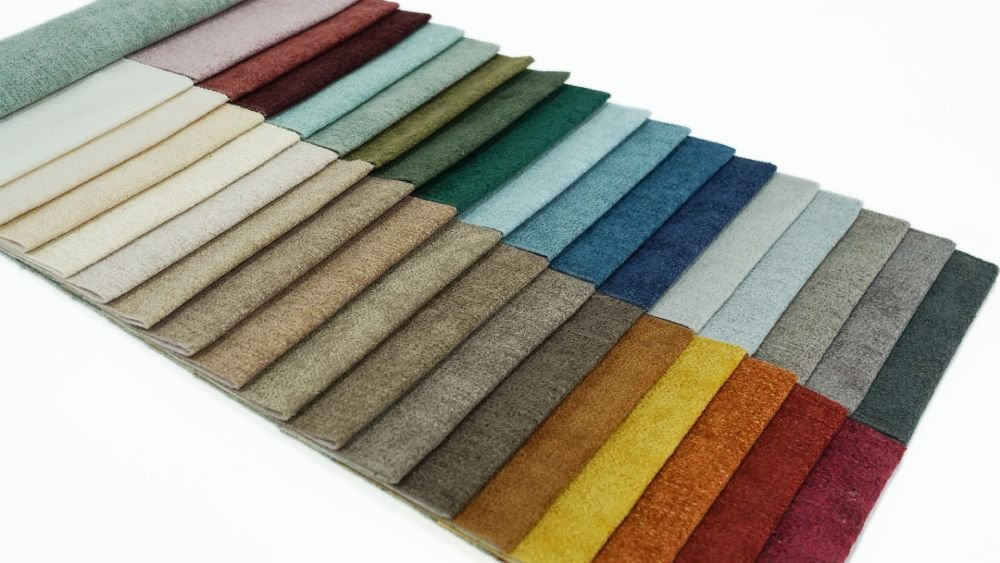
A multi-layered stack of polyester chenille swatches in vibrant colors
3. At-a-Glance Comparison Table
Use this technical breakdown to quickly assess which fiber aligns with your project’s priorities.
| Feature | Cotton Chenille | Polyester Chenille |
| Tactile Feel | Incredibly soft, organic, 'matte' feel | Very soft, often with a subtle 'velvety' sheen |
| Breathability | High (Excellent for bedding) | Moderate (Better for upholstery) |
| Durability (Abrasion) | Moderate | High (Heavy-duty commercial grade) |
| Stain Resistance | Low (Absorbent; needs immediate care) | High (Hydrophobic; resists liquid absorption) |
| Color Retention | Moderate (Deep colors can fade) | Very High (Retains vibrant pigments) |
| Price Point | Medium to High | Low to Medium |
4. Specialty Blends: Luxury and Niche Applications
While cotton and polyester dominate the market, specialized high-end blends exist for couture fashion and luxury decor:
-
Silk Chenille: The pinnacle of luxury. Silk chenille is rare and offers an unparalleled, luminous shimmer and a delicate 'hand' used exclusively for haute couture evening wear or decorative accents in ultra-luxury interiors.
-
Wool Chenille: Used for its exceptional warmth and natural flame resistance, often in high-end drapery or artisanal fashion pieces.
Summary for Professionals
Choosing between cotton and polyester chenille is a matter of prioritizing comfort vs. performance.
-
Choose Cotton for projects where skin contact, natural breathability, and an organic aesthetic are paramount (quilts, robes, baby items).
-
Choose Polyester for projects where durability, stain resistance, and color consistency are essential (sofas, commercial seating, vibrant decor).
By understanding the underlying science of these fibers, you can ensure that your material selection enhances both the beauty and function of your finished product.