
Performance garments like swimwear, yoga wear, and athletic apparel demand fabrics that combine extreme stretch, durability, and comfort. Among the most widely used materials are Lycra-based stretch fabrics, often blended with nylon or polyester to achieve optimal performance.
Whether you’re a brand owner, apparel manufacturer, or fabric buyer, understanding how nylon spandex swimwear fabric and sports lycra fabric work can help you choose the right material for high-performance products.
This guide explains the key technical factors behind premium swimwear and activewear fabrics, including stretch recovery, chlorine resistance, and UV protection.
What Is Lycra Fabric in Performance Apparel?
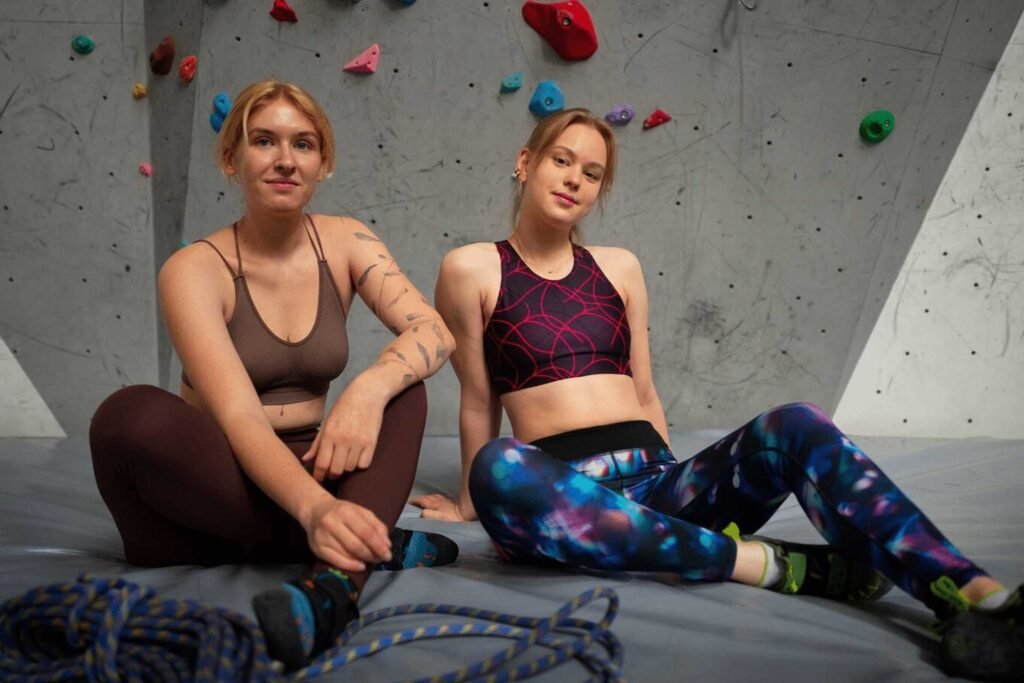
Lycra Fabric in Performance Apparel
In sportswear and swimwear, Lycra fabric typically refers to elastane-based stretch fibers blended with nylon or polyester.
These fabrics are engineered to deliver:
-
high elasticity
-
excellent shape retention
-
lightweight comfort
-
durability under intense movement
Because elastane fibers can stretch up to 5–8 times their original length, they are ideal for garments that require freedom of movement and body-contouring fit.
Why Nylon Spandex Is the Standard for Swimwear
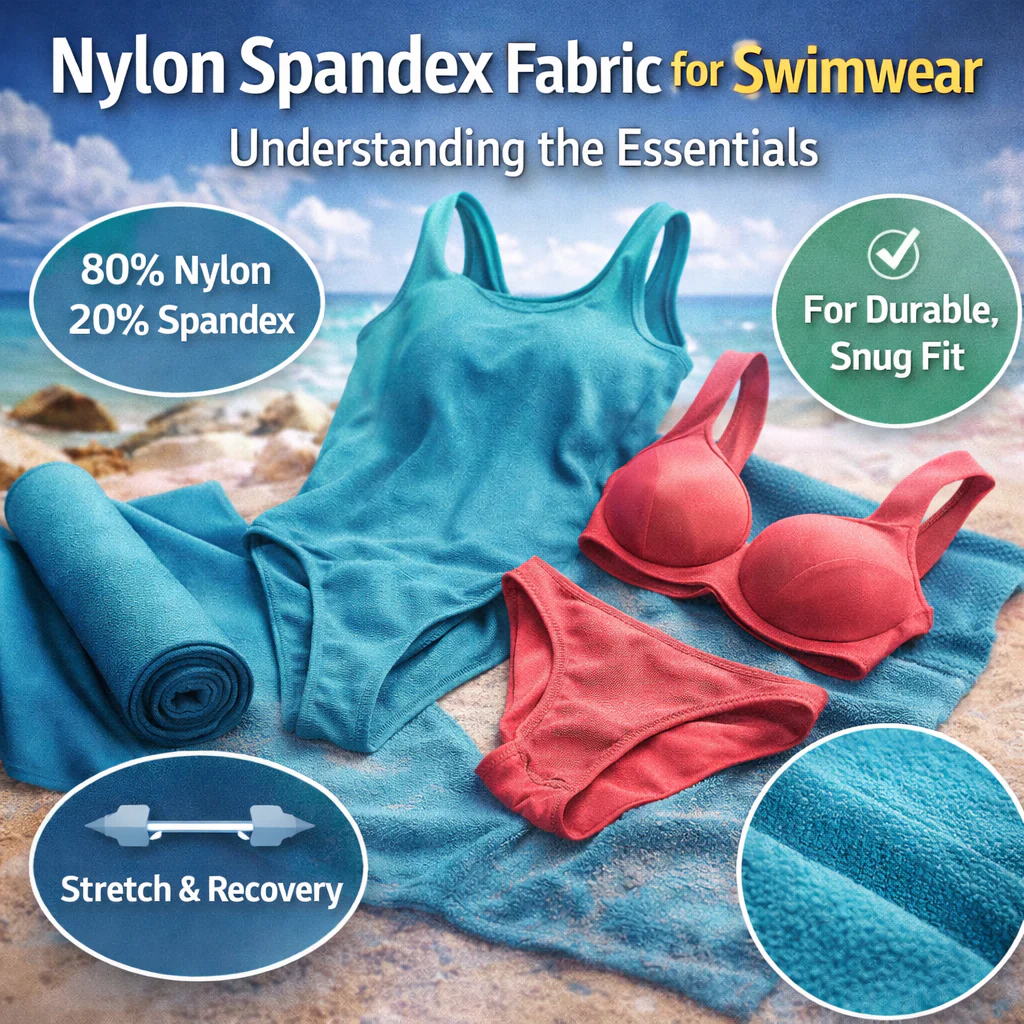
swimwear fabrics use a nylon spandex blend
Most modern swimwear fabrics use a nylon spandex blend because this combination provides the ideal balance of elasticity, strength, and smooth texture.
Typical composition
-
80–90% nylon
-
10–20% spandex (elastane)
Advantages of nylon spandex swimwear fabric
-
excellent stretch and recovery
-
smooth, body-contouring fit
-
fast drying performance
-
strong durability in water environments
This blend allows swimwear to maintain shape and support even after repeated stretching and exposure to water.
Key Performance Requirements for Swimwear Fabrics
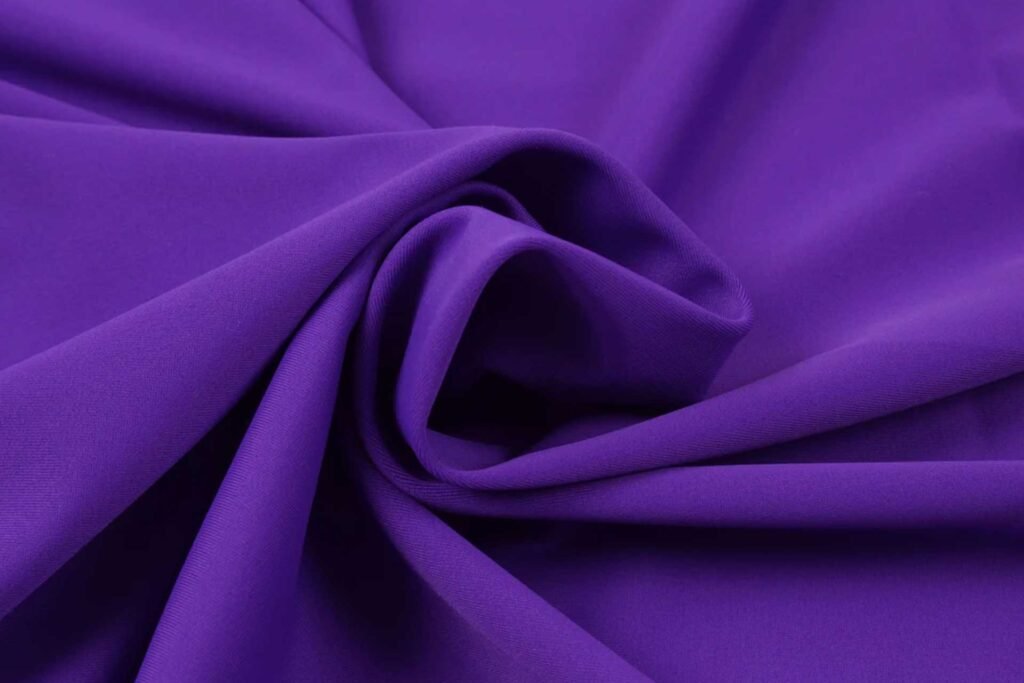
Key Performance Requirements for Swimwear Fabrics
For professional swimwear manufacturers, fabric performance is evaluated based on several critical properties.
1. Chlorine resistance
Pool water contains chlorine, which can gradually damage elastane fibers.
High-quality swimwear fabrics are engineered to improve resistance to chlorine degradation, helping garments maintain elasticity and color.
2. UV protection
Swimwear fabrics are often designed to provide UV protection, commonly measured by the UPF (Ultraviolet Protection Factor) rating.
Benefits include:
-
protection from sun exposure
-
improved durability in outdoor conditions
-
better color retention
Many premium swimwear fabrics offer UPF 30–50+ protection.
3. Stretch recovery
Stretch recovery refers to how well a fabric returns to its original shape after being stretched.
High-performance fabrics maintain:
-
consistent compression
-
long-term garment structure
-
reduced sagging after repeated wear
For swimwear brands, this factor is critical for maintaining fit and support over time.
The Importance of 4-Way Stretch in Activewear
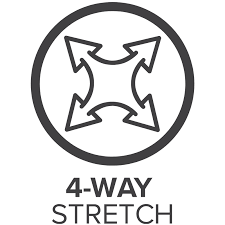
4-way stretch fabric
One of the most important innovations in modern sports textiles is 4-way stretch fabric.
What is 4-way stretch?
A 4-way stretch lycra fabric stretches in both directions:
-
horizontally (width)
-
vertically (length)
This allows garments to move naturally with the body during physical activity.
Benefits of 4-way stretch fabrics
For athletes and activewear users, 4-way stretch provides:
-
greater flexibility
-
improved comfort
-
enhanced mobility
-
reduced fabric restriction
This technology is widely used in:
-
yoga wear
-
gym leggings
-
cycling apparel
-
high-performance swimwear
Sports Lycra Fabric for Activewear
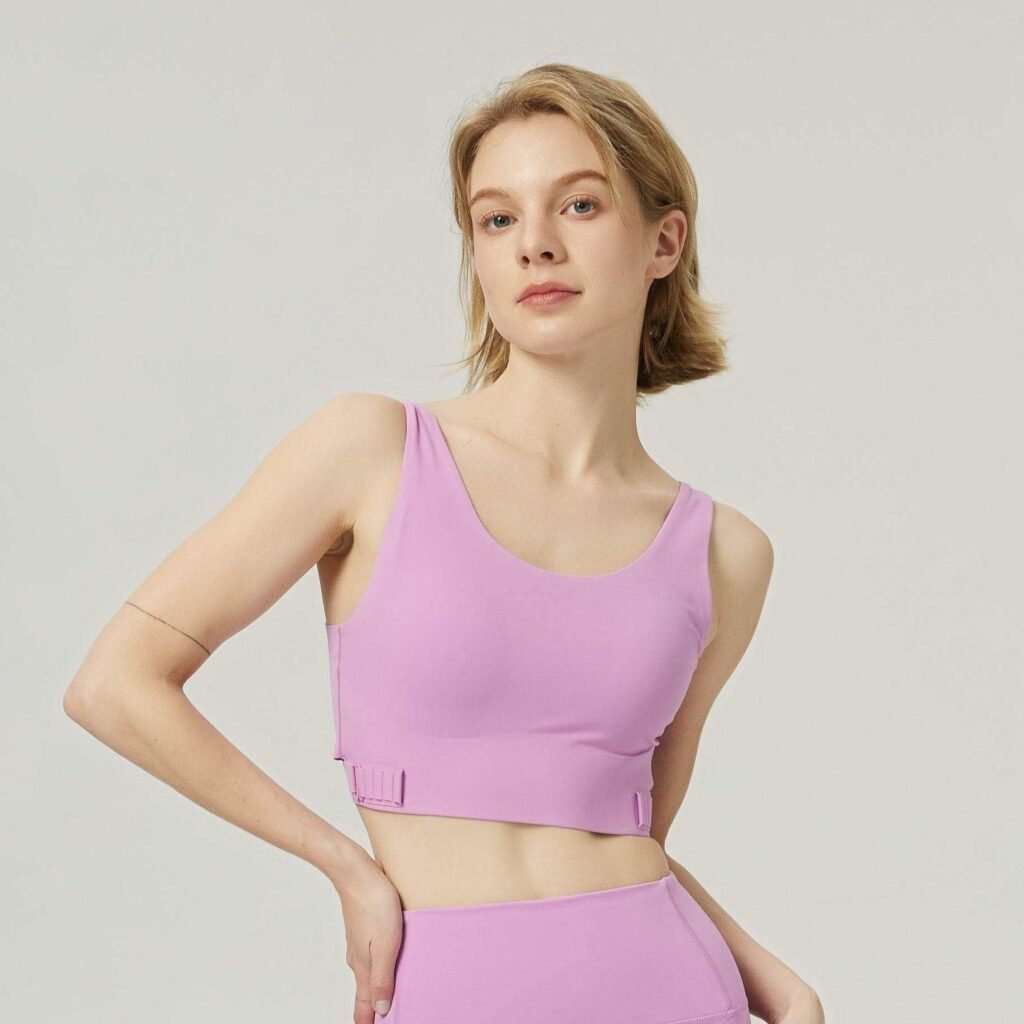
Sports Lycra Fabric for Activewear
Activewear fabrics must balance elasticity, breathability, and durability.
Sports lycra fabrics are commonly blended with:
-
nylon for durability and smooth texture
-
polyester for moisture management
Typical uses
Sports lycra fabrics are widely used in:
-
yoga leggings
-
gym tops
-
cycling shorts
-
compression garments
-
athletic performance wear
Because these fabrics combine comfort and support, they are essential in modern fitness apparel.
How B2B Buyers Choose Swimwear and Activewear Fabrics
For apparel brands and garment manufacturers, choosing the right stretch fabric involves several technical considerations.
Key purchasing factors
-
Fiber composition – nylon/spandex vs polyester/spandex
-
Stretch ratio – typically 10–20% elastane for performance wear
-
Fabric weight (GSM) – affects compression and durability
-
UV protection and chlorine resistance
Premium performance fabrics must balance stretch, durability, and comfort to meet the demands of professional athletes and everyday consumers.
Final Thoughts
Selecting the right Lycra-based stretch fabric is essential for producing high-quality swimwear and activewear.
-
Nylon spandex swimwear fabrics provide excellent elasticity and durability.
-
4-way stretch lycra fabrics ensure freedom of movement and superior comfort.
-
Advanced textile technologies improve UV protection, chlorine resistance, and stretch recovery.
For brands targeting performance apparel markets, investing in the right fabric specifications can significantly improve garment quality, durability, and user experience.
Disclaimer
LYCRA® is a trademark of The LYCRA Company.
We supply high-quality elastane/spandex performance fabrics comparable in stretch and durability, but we are not affiliated with or endorsed by The LYCRA Company.