
In the world of tufting and punch needle, your 'backing' is the foundation of your art. It needs to be strong enough to hold thousands of yarn loops while being flexible enough to let a needle pass through without snapping fibers. While many professionals eventually move to 'Monk's Cloth,' burlap for tufting remains the most popular entry-level choice because of its high tension and low cost.
1. Why Burlap is a Tufter’s Favorite
Burlap offers a unique 'mechanical' advantage for fiber artists:
-
The 'Grip': The coarse, hairy texture of jute fibers helps grab the yarn, preventing loops from falling out before you apply the final glue.
-
High Tension: Burlap doesn't stretch as much as cotton when pulled over a frame. This 'drum-tight' surface is essential for both manual punch needles and high-speed tufting guns.
-
Eco-Friendly: For artists creating sustainable home goods, 100% natural jute burlap fabric is a biodegradable alternative to synthetic polyester backings.
2. Standard Burlap vs. Tufting Grade
If you walk into a hardware store and buy 'garden burlap,' you might find it too loose for detailed work. For a successful burlap punch needle project, look for these specific traits:
-
Tight Weave (Sultana Grade): Look for burlap labeled as 'Premium' or 'High-Density.' A tight weave ensures the needle doesn't just slip through a hole, but actually pushes between fibers that then 'spring back' to hold the yarn.
-
Consistency: Avoid 'utility' burlap which may have thick knots or thin spots. These inconsistencies can cause a tufting gun to snag and rip a hole in your canvas.
-
10 oz Weight: This is the 'Goldilocks' weight. 7 oz is too flimsy and will tear under the pressure of a tufting gun; 12 oz can be too dense for a manual punch needle to penetrate comfortably.
3. Tips for Working with Burlap Backing
-
The 'Drum' Test: When mounting your burlap for tufting on a frame, it should sound like a drum when you tap it. If it sags, your stitches will be uneven.
-
Watch the 'Dust': Natural burlap sheds tiny fibers. If you are working on a large rug, ensure your workspace is well-ventilated or wear a light mask to avoid inhaling jute dust.
-
Avoid 'Treated' Burlap: Never use burlap that has been chemically treated for outdoor rot resistance (usually green-tinted). These chemicals can react with your rug glue or irritate your skin while you work.
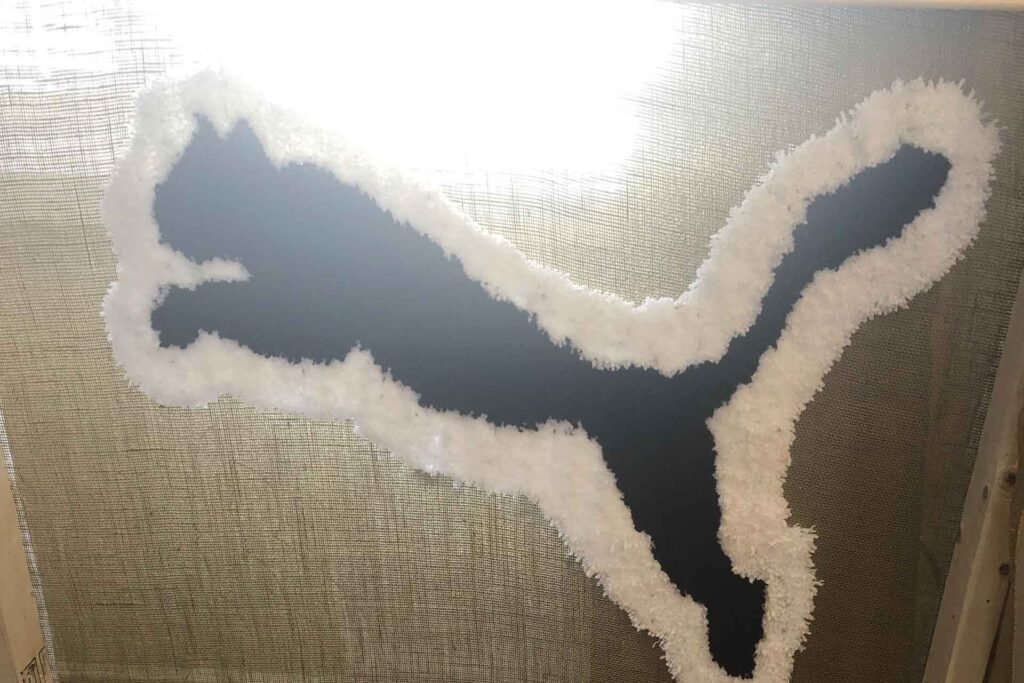
burlap for tufting
Summary and Conclusion
Selecting the right burlap for tufting is the difference between a frustrating afternoon and a finished masterpiece. By prioritizing a 10 oz tight-weave burlap, you provide your yarn with the structure it needs to stay in place. While it requires a bit more care than expensive specialty fabrics, burlap’s unique texture and incredible value make it an unbeatable choice for both beginners and seasoned rug-makers.