
When we think of winter, we usually think of heavy wools and thick synthetics. However, viscose fabric for winter plays a crucial, scientific role in keeping the body warm. While it isn't an 'insulator' like down or fleece, its unique ability to manage moisture makes it an essential component of a sophisticated winter wardrobe.
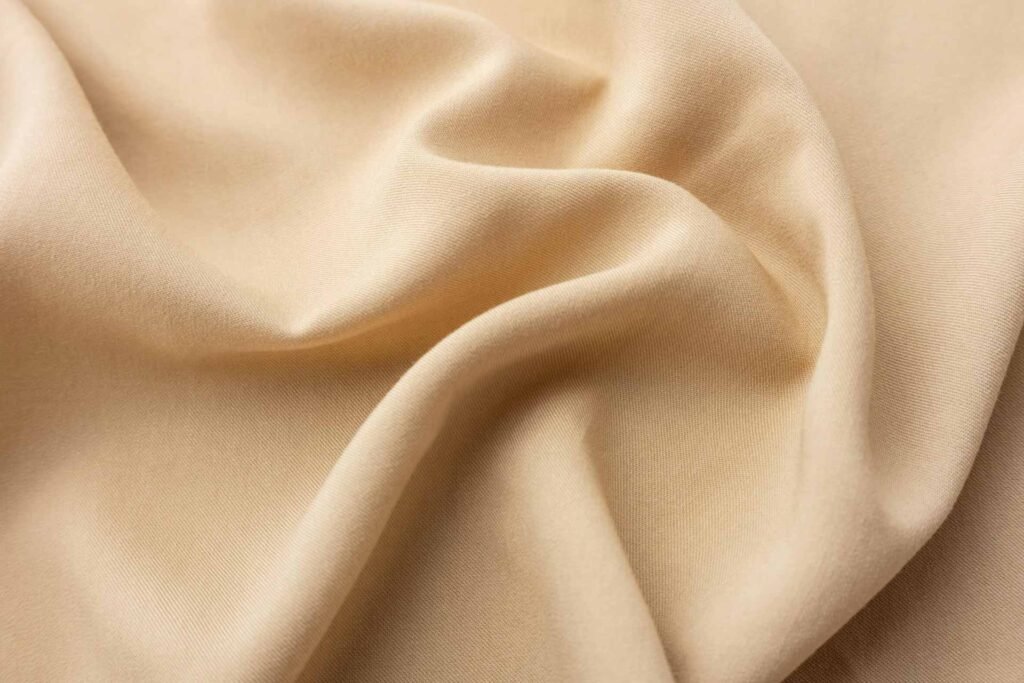
viscose fabric for winter
1. The Science of 'Absorption Heat'
Is viscose warm? Indirectly, yes. Viscose is a highly hygroscopic fiber, meaning it excels at absorbing moisture.
-
The Process: When viscose fibers absorb water vapor (insensible perspiration) from your skin, the physical reaction releases a small amount of kinetic energy as heat.
-
The Result: This 'absorption heat' property is why many high-tech thermal base layers use a high percentage of viscose. It helps maintain a steady, warm micro-climate against your skin without the 'stuffy' feeling of 100% synthetic thermals.
2. The Power Couple: Wool and Viscose
The most effective way to utilize viscose rayon fabric good for winter is through blending, specifically wool and viscose.
-
The Softness Factor: Pure wool can be itchy and irritating to sensitive skin. Adding viscose creates a smooth, silky interior that makes wool garments comfortable for all-day wear.
-
The Moisture Balance: Wool is naturally water-repellent (hydrophobic) on the outside but absorbent on the inside. By adding viscose, the fabric becomes better at pulling sweat away from the body during indoor heating transitions, preventing the 'cold chill' that happens when sweat cools on your skin.
-
The Drape: A wool-viscose coat or sweater has a much more elegant, fluid drape than a stiff, 100% wool garment.
3. Layering Like a Pro with Viscose
To maximize warmth, think of viscose as your 'foundation' layer.
-
The Base Layer: Use a viscose jersey or a viscose-silk blend as your first layer. It will regulate your skin temperature and prevent overheating when you enter a heated building.
-
The Mid-Layer: A viscose-wool cardigan or knit provides the warmth you need while remaining breathable enough to prevent moisture buildup.
-
The Lining: High-quality winter coats often use viscose (or Bemberg) linings. Unlike polyester linings, which feel icy to the touch, viscose adapts to your body temperature quickly.
4. Viscose Velvet: Winter’s Visual Warmth
As discussed in our 'Weaves' guide, viscose velvet fabric is a winter staple. Its dense pile traps tiny pockets of air, acting as a natural insulator. Beyond the technicality, the deep, shimmering texture of viscose velvet provides a 'visual warmth' that defines holiday and evening wear during the colder months.
5. Summary: Why Choose Viscose for Winter?
| Feature | Performance in Winter |
| Thermal Property | Generates mild heat through moisture absorption. |
| Skin Comfort | Hypoallergenic; prevents 'wool itch.' |
| Breathability | Prevents 'sweat-chill' when moving between indoors/outdoors. |
| Static Control | Much lower static buildup than polyester or acrylic in dry air. |