
Luxury textiles often feature intricate woven patterns that instantly elevate the look of clothing or interior décor. However, many buyers become confused by terms like brocade, damask, and jacquard because they are closely related.
The key is understanding that jacquard refers to a weaving technique, while brocade and damask are specific fabric styles produced using the jacquard weave.
If you’re comparing brocade jacquard, damask jacquard, and cotton jacquard fabrics, this guide will help you clearly understand their differences and choose the right fabric for your project.
What Is a Jacquard Weave?
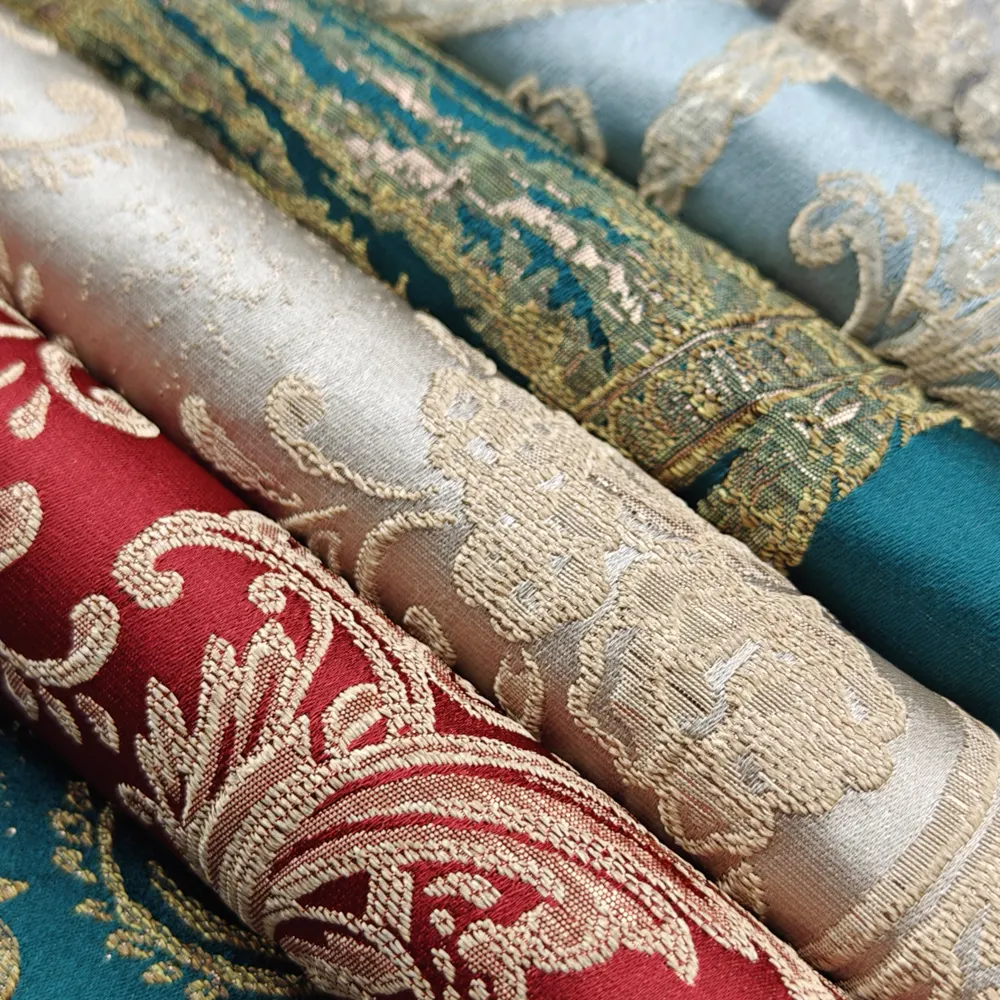
Before comparing brocade and damask, it’s important to understand the jacquard weave.
A jacquard weave is a weaving technique that allows complex patterns to be woven directly into the fabric instead of printed on the surface.
This method became possible thanks to the Jacquard loom, invented by Joseph Marie Jacquard in the early 19th century.
Key features of jacquard fabrics
-
Intricate woven patterns
-
Raised or textured designs
-
Highly durable patterns
-
Rich decorative appearance
Because jacquard refers to the weaving method rather than the fabric itself, many different textiles—including brocade and damask—can be made using this technique.
What Is Brocade Jacquard?
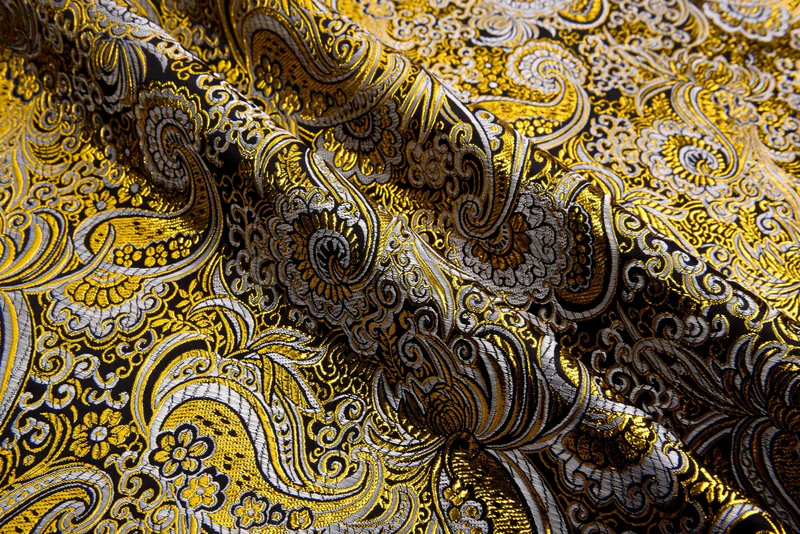
Brocade Jacquard
Brocade jacquard is one of the most luxurious types of jacquard fabric. It is known for rich, raised patterns that often include metallic threads or bold motifs.
Characteristics of brocade
-
Raised decorative designs
-
Heavy, structured fabric
-
Often uses silk or synthetic blends
-
Sometimes includes gold or silver threads
Because of its dramatic appearance, brocade is commonly used in:
-
evening gowns
-
high-fashion garments
-
ceremonial clothing
-
decorative upholstery
Brocade fabrics are especially popular in luxury fashion and formal wear because their bold patterns create a striking visual effect.
What Is Damask Jacquard?
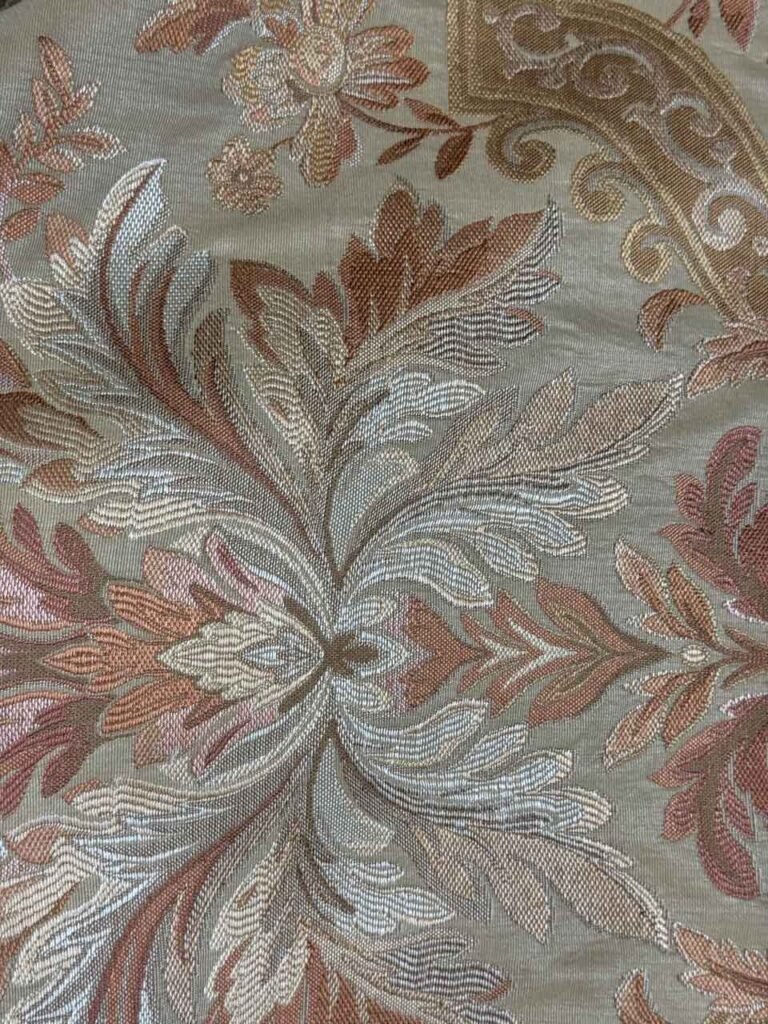
Damask Jacquard
Damask jacquard is another type of woven patterned fabric, but it has a more subtle and refined appearance compared with brocade.
Damask fabrics typically feature reversible patterns created using contrasting satin and matte weaves.
Characteristics of damask
-
Smooth surface texture
-
Reversible patterns
-
Elegant and subtle designs
-
Usually single-color tone-on-tone patterns
Damask is widely used in:
-
curtains and drapes
-
tablecloths
-
bedding
-
upholstery fabrics
Because of its elegant but understated appearance, damask is often preferred for home décor and classic interior design.
Cotton Jacquard: A Versatile Modern Option
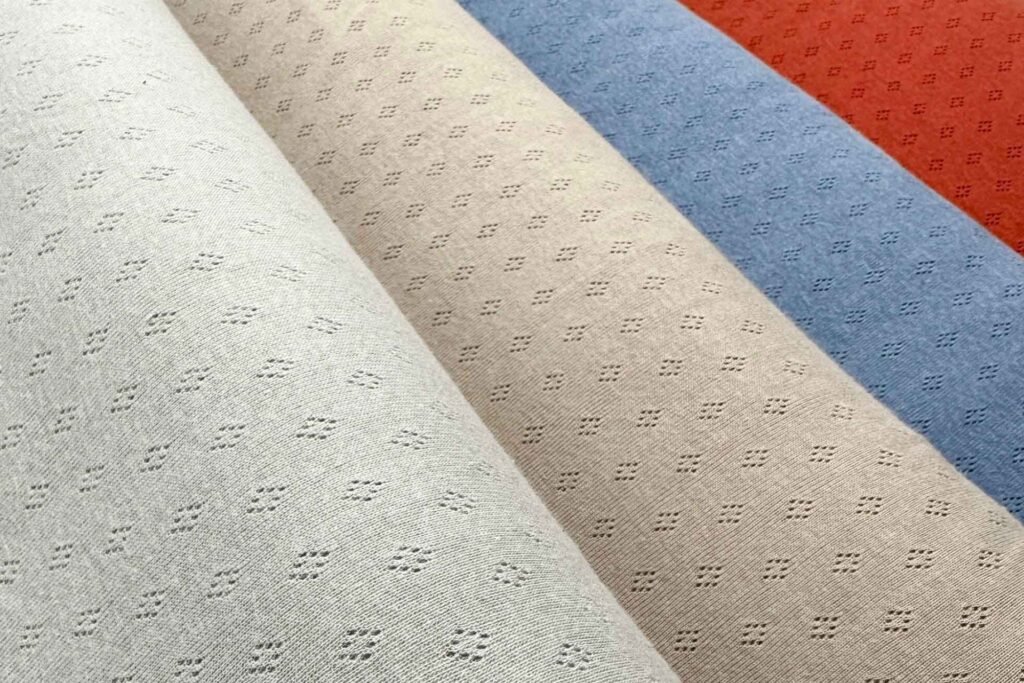
Cotton Jacquard
While traditional jacquard fabrics were often made from silk, modern manufacturing allows the use of cotton jacquard fabrics.
Cotton jacquard combines the intricate patterns of jacquard weaving with the comfort of natural cotton fibers.
Benefits of cotton jacquard
-
breathable and comfortable
-
durable for everyday use
-
versatile for clothing and home textiles
-
easier to maintain than silk fabrics
Cotton jacquard fabrics are commonly used for:
-
dresses and shirts
-
upholstery fabrics
-
decorative pillows
-
table linens
This makes cotton jacquard one of the most practical jacquard fabrics for modern applications.
Brocade vs Damask vs Jacquard: Key Differences
Understanding how these fabrics differ helps buyers choose the right textile for their needs.
| Feature | Brocade | Damask | Jacquard (General) |
|---|---|---|---|
| Definition | Decorative woven fabric | Reversible patterned fabric | Weaving technique |
| Pattern Style | Raised, bold motifs | Subtle tone-on-tone designs | Any woven pattern |
| Texture | Thick and textured | Smooth surface | Varies |
| Common Fibers | Silk, polyester blends | Silk, cotton, linen | Cotton, silk, synthetic |
| Typical Uses | Fashion garments | Curtains, upholstery | Clothing and décor |
In simple terms:
-
Jacquard = the weaving method
-
Brocade = bold decorative jacquard fabric
-
Damask = elegant reversible jacquard fabric
Choosing the Right Fabric for Different Uses
Different jacquard fabrics perform better in specific applications.
Best fabric for curtains and décor
Damask jacquard works best because it offers:
-
elegant patterns
-
balanced texture
-
timeless interior design appeal
Best fabric for high-fashion garments
Brocade jacquard is ideal because it creates:
-
dramatic visual impact
-
luxurious textures
-
structured silhouettes
This is why brocade frequently appears in evening gowns and couture fashion.
Best fabric for everyday textiles
Cotton jacquard fabrics are often the most practical option because they combine:
-
decorative woven patterns
-
comfort and breathability
-
easier maintenance
They are suitable for both clothing and interior textiles.
Final Thoughts
Although the terms brocade, damask, and jacquard are often used interchangeably, they actually describe different aspects of woven textiles.
-
Jacquard refers to the weaving technique that creates complex patterns.
-
Brocade jacquard features bold, raised decorative designs often used in luxury fashion.
-
Damask jacquard offers subtle, reversible patterns ideal for home décor.
Understanding these distinctions helps buyers choose the right fabric for their project—whether designing elegant curtains, luxury garments, or decorative textiles.
✅ Quick Fabric Guide
-
Brocade: best for couture fashion and formal garments
-
Damask: ideal for curtains, upholstery, and table linens
-
Cotton jacquard: versatile for clothing and home décor
With the right choice, jacquard-based fabrics can bring texture, elegance, and timeless beauty to any design.