
While chenille is a giant in the furniture world, it holds a legendary status in the 'Maker' community. From the iconic fuzzy patches on varsity jackets to the rise of 'arm-knitting' home decor, chenille’s versatility as a decorative medium is unmatched.
For designers and hobbyists looking to add three-dimensional texture to their projects, understanding the nuances of chenille embroidery and specialized chenille yarns is the key to professional-grade results.
1. Chenille Embroidery: The Art of the Looped Stitch
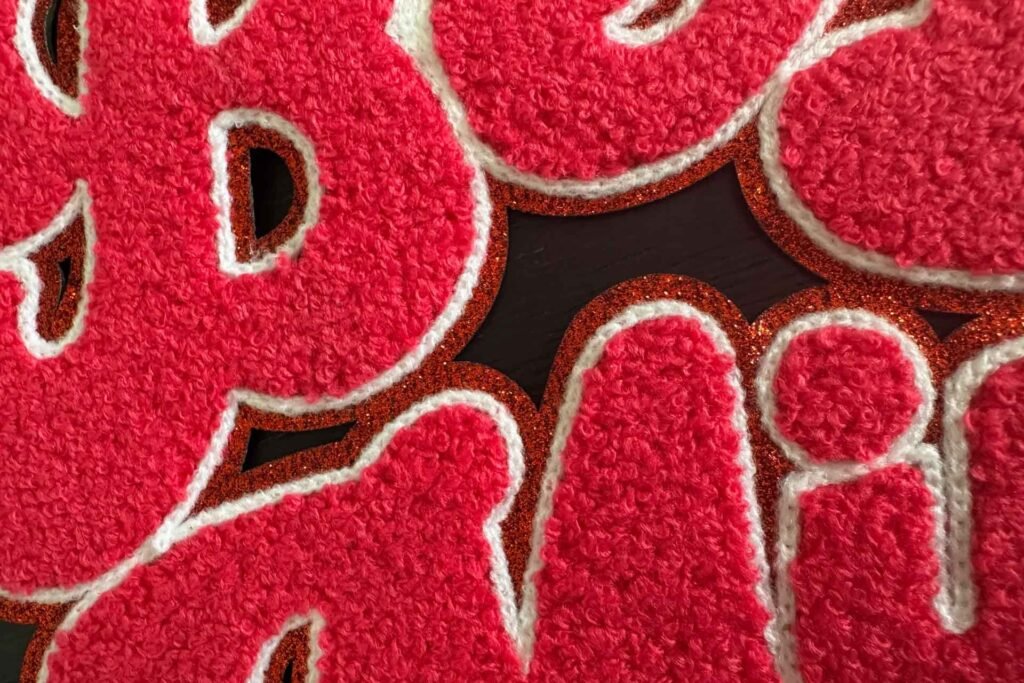
chenille embroidery
If you’ve ever touched the letter on a high school varsity jacket, you’ve experienced chenille embroidery. Unlike standard flat embroidery, which uses satin or fill stitches, chenille creates a voluminous, carpet-like texture.
-
Technical Process: Using an embroidery chenille machine, a specialized needle pulls a continuous thread into a series of loops on the fabric’s surface. These loops are then often clipped to create a fuzzy, velvet-like 'pile.'
-
Chenille Applique: This technique involves creating a pre-made chenille patch and sewing it onto a garment. It is the gold standard for luxury streetwear and collegiate branding, offering a vintage, premium aesthetic that flat stitching cannot replicate.
2. DIY Quilting: Master the 'Blooming' Effect
One of the most exciting innovations for quilters is the use of chenille it blooming bias and specialized tapes. These tools allow makers to create a frayed, textured look without the labor-intensive process of traditional rag quilting.
-
Chenille It Tape: This is a bias-cut fabric strip that you stitch onto your quilt or garment in rows or patterns.
-
The 'Bloom': After stitching the tape down, you simply wash and dry the project. The agitation causes the edges of the tape to fray and 'bloom,' resulting in a soft, fuzzy line of chenille texture.
-
Versatility: It is perfect for adding faux-fur trim to collars, creating textured borders on baby blankets, or adding tactile 'drawing' effects to textile art.
3. The World of Chenille Yarns: From Blankets to Toys
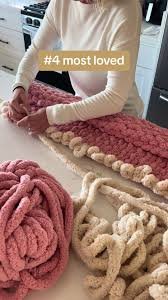
arm-knitting a large-scale chunky chenille blanket
For knitters and crocheters, chenille yarns have revolutionized the speed and softness of handmade projects. Because the yarn is naturally bulky and plush, it is the preferred choice for two major trends:
-
Chunky Chenille for Arm-Knitting: These ultra-thick yarns allow you to knit a full-sized throw blanket in just a few hours using your arms instead of needles. The result is a heavy, breathable, and incredibly soft home accessory.
-
Amigurumi (Plush Toys): Crochet artists favor fine-weight chenille for making stuffed animals. The pile hides the stitches, giving the finished toy a professional, 'store-bought' plush appearance that is safe and soft for children.
4. Sourcing for Success: Threads and Trims
The quality of your craft depends entirely on the stability of the core yarn. Low-quality chenille threads can shed or 'worm' (where the pile slips off the core). When sourcing for high-detail work like chenille applique, ensure the yarn is tightly twisted and color-fast to prevent bleeding during the 'blooming' wash cycle.
Whether you are a manufacturer looking for bulk chenille yarns for industrial embroidery or a designer seeking specific blooming bias for a boutique collection, the right material makes the difference between a project that looks handmade and one that looks handcrafted.
Strategic Note for Your Shop
This article is designed to capture high-engagement 'Maker' traffic. To maximize conversions, we recommend linking these sections directly to your Chenille Thread, Specialty Tapes, and Chunky Yarn product categories. Makers often buy in smaller quantities but with high frequency, making them excellent long-term customers for your digital storefront.