
Batik has evolved from a ceremonial textile into a global fashion statement. Today, batik wear ranges from boardroom-ready shirts to breezy resort dresses and contemporary silhouettes seen on international runways.
This guide will help you style traditional prints in a modern, confident way—whether you're shopping for a batik shirt mens, an elegant batik sundress, or a statement batik kimono.
Batik for Men: From Cultural Heritage to Formal Elegance
The Rise of the Batik Shirt for Men
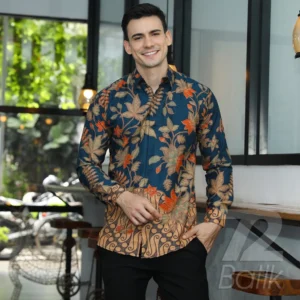
batik shirt for men
The batik shirt for men holds a respected place in Southeast Asian formal culture. In countries like Indonesia and Malaysia, batik shirts are worn at:
-
Government ceremonies
-
Weddings
-
Religious celebrations
-
Corporate events
In fact, batik often replaces the Western suit in formal settings—commonly referred to as batik formal wear.
How to Style a Batik Shirt (Modern Approach)
For formal occasions:
-
Choose darker tones (navy, maroon, deep green)
-
Pair with tailored trousers
-
Opt for leather loafers or dress shoes
-
Keep accessories minimal
For smart-casual settings:
-
Roll up sleeves slightly
-
Combine with slim chinos
-
Add clean white sneakers
Fit tip:
Modern cuts (slim or tailored fit) instantly update traditional prints and make them globally wearable.
Batik for Women: Effortless Elegance
1. Batik Sundress – Relaxed Yet Refined
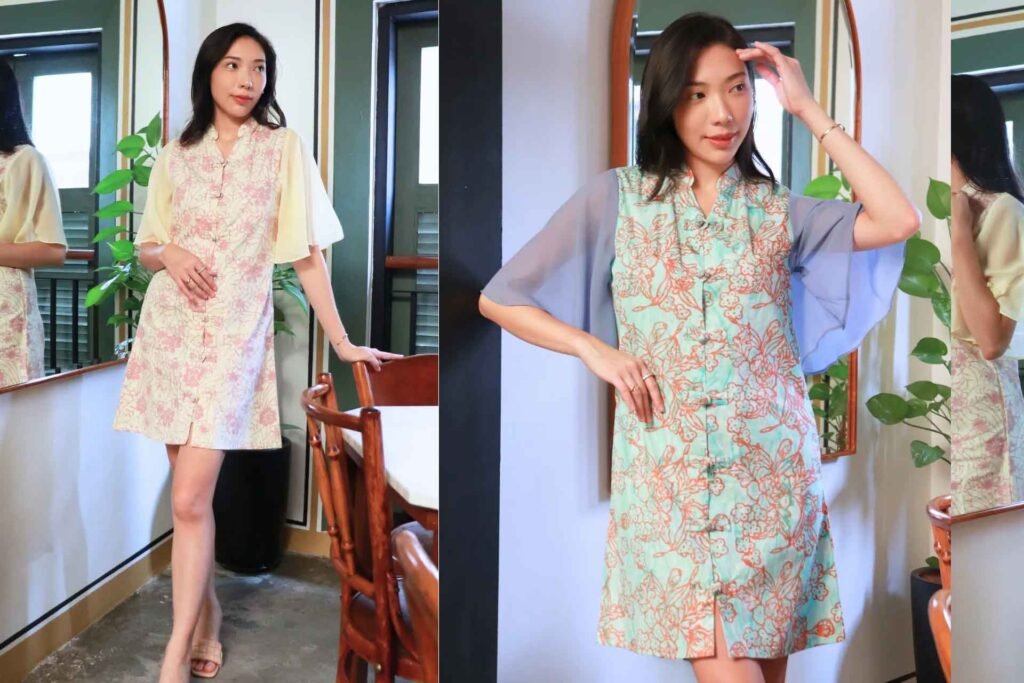
batik sundress
A batik sundress is perfect for warm climates and vacation styling.
Why it works:
-
Lightweight cotton batik fabric is breathable
-
Prints add visual interest without heavy layering
-
Works for beach, brunch, or casual gatherings
Modern styling tips:
-
Pair with minimalist sandals
-
Add a woven bag
-
Choose contemporary cuts like wrap or A-line silhouettes
2. Batik Kaftan & Modern Kaftan Styles
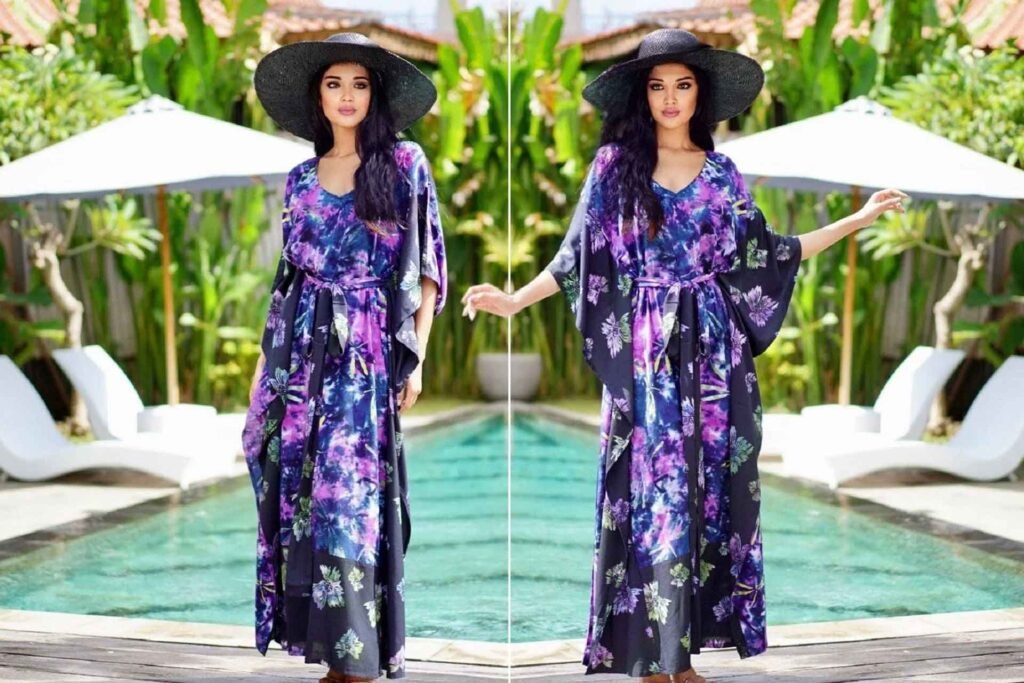
batik kaftan
The modern kaftan has become a resort and luxury staple. A batik kaftan blends traditional textile art with flowing, contemporary design.
Best occasions:
-
Resort vacations
-
Ramadan or festive gatherings
-
Evening garden parties
Style advice:
-
Belt the waist for structure
-
Add statement earrings
-
Choose bold floral Malaysian batik for vibrant impact
3. Batik Kimono – East Meets Southeast Asia
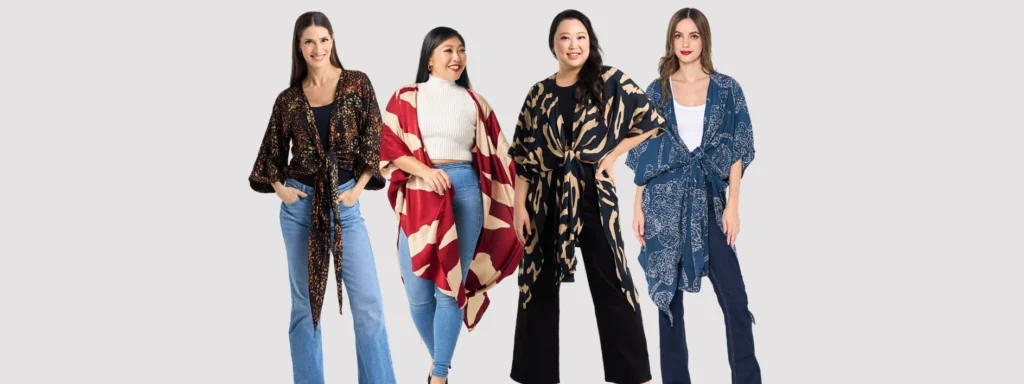
batik kimono
A batik kimono is one of the easiest ways to incorporate batik into everyday fashion.
It works beautifully as:
-
A lightweight layering jacket
-
A statement piece over jeans and a plain top
-
A creative office outfit addition
Pro tip:
Keep the inner outfit neutral (white, black, beige) to let the batik print stand out.
Traditional Batik Garments: Styling with Respect
Batik Sarong & Kebaya Pairing
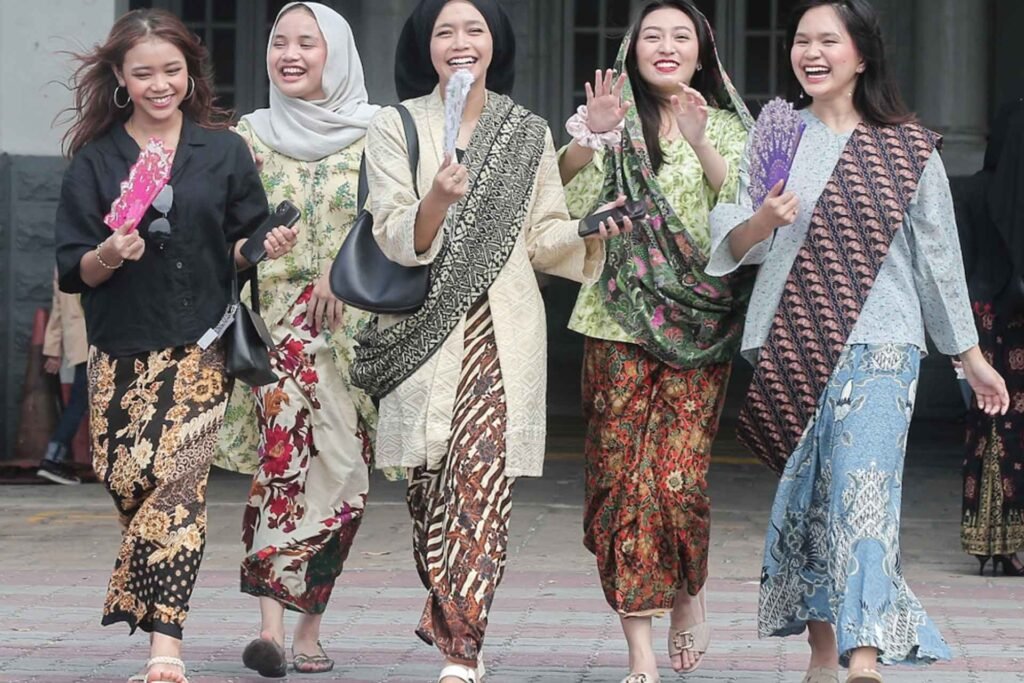
batik sarong
The batik sarong is a traditional wrapped skirt worn across Indonesia and Malaysia. It is often paired with a kebaya, a fitted blouse traditionally made from lace or sheer fabric.
How to Style Traditionally (Ceremonial)
-
Choose intricate Javanese batik patterns
-
Pair with lace kebaya
-
Wear delicate heels
-
Add subtle gold jewelry
How to Style Modernly
-
Combine batik sarong with a minimalist blouse
-
Add structured handbags
-
Experiment with contemporary tailoring
The key is balancing heritage with clean modern lines.
Notable Batik Fashion Brands
For those exploring designer interpretations of batik, consider:
-
Antik Batik – A Paris-based label blending bohemian aesthetics with traditional textile techniques.
-
Batik Kultur – Known for preserving Indonesian heritage while introducing modern silhouettes.
When purchasing, always check whether the brand uses authentic handcrafted batik or printed imitations.
How to Wear Batik in a Global Wardrobe
If you're new to batik fashion, follow this simple rule:
Let the print lead. Keep everything else simple.
✔ Neutral shoes
✔ Minimal jewelry
✔ Clean tailoring
✔ Balanced proportions
Batik prints are visually rich—your styling should enhance, not compete.
Final Thoughts
Batik is no longer confined to tradition—it’s a dynamic part of contemporary fashion. From the polished batik shirt mens market to flowing batik sundress, elegant modern kaftan, statement batik kimono, and timeless batik sarong, there’s a style for every wardrobe.
Wearing batik today is more than a fashion choice—it’s a celebration of craftsmanship, culture, and global design evolution.