
You’ve likely seen labels like “bamboo fabric” or “eco bamboo.”
But most of the time, that fabric is actually rayon derived from bamboo — also known as bamboo rayon material.
So what does that really mean?
-
Is bamboo rayon natural?
-
Is it sustainable?
-
Or is it just marketing?
Let’s break it down clearly and objectively.
What Is Rayon Derived From Bamboo?
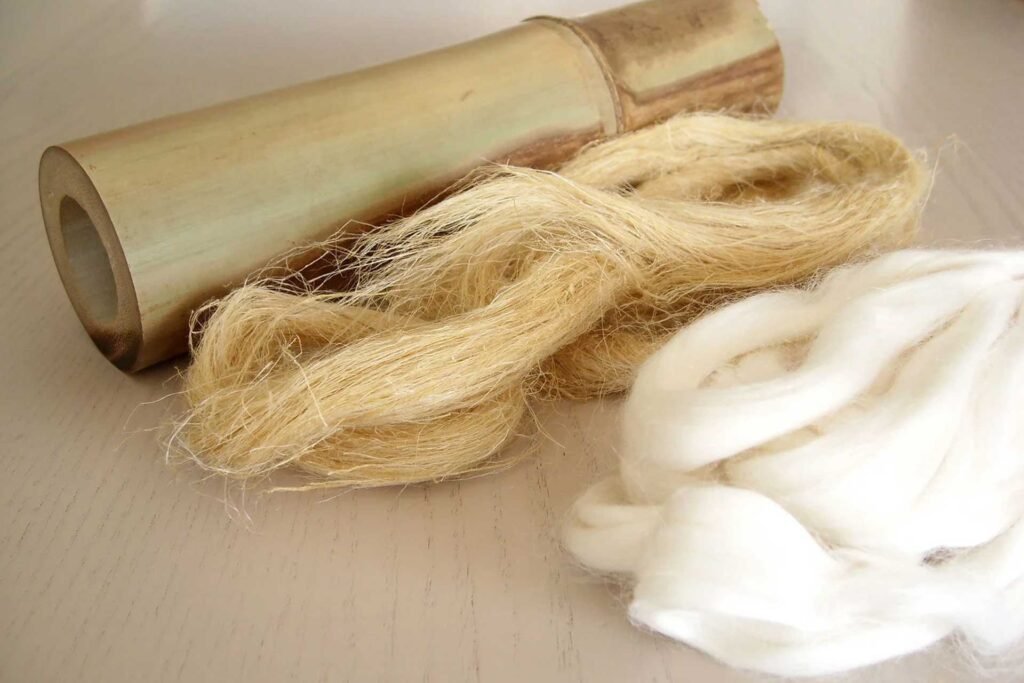
What Is Rayon Derived From Bamboo
Rayon derived from bamboo is not mechanically processed bamboo fiber.
It is a regenerated cellulose fiber made using bamboo pulp.
Here’s how it works:
-
Bamboo plants are harvested.
-
The bamboo is turned into pulp.
-
The pulp is chemically dissolved.
-
The cellulose is regenerated into fibers (rayon process).
So despite the name, bamboo rayon is technically:
A type of viscose rayon made from bamboo instead of wood.
Why Bamboo Rayon Feels So Soft
Bamboo rayon material is popular because it:
✔ Feels silky smooth
✔ Has excellent drape
✔ Is breathable
✔ Absorbs moisture well
✔ Feels cool against skin
It’s commonly used in:
-
T-shirts
-
Underwear
-
Baby clothes
-
Bedding
-
Loungewear
Many people describe it as softer than cotton.
The Eco-Friendly Question: Is Bamboo Rayon Sustainable?
The answer is: It depends on how it's made.
The Good Side
Bamboo as a plant:
✔ Grows very fast
✔ Requires little pesticide
✔ Uses less water than cotton
✔ Regrows without replanting
From a farming perspective, bamboo is environmentally friendly.
The Complicated Side
The problem is in the processing stage.
Traditional viscose production uses chemicals such as:
-
Sodium hydroxide
-
Carbon disulfide
If not properly managed, these chemicals:
✘ Can harm workers
✘ Can pollute water
✘ Increase environmental impact
So while bamboo itself is sustainable, conventional bamboo rayon manufacturing may not be.
Is There a More Sustainable Version?
Yes.
Look for:
✔ Closed-loop lyocell processing
✔ Labels like “bamboo lyocell”
✔ Certifications (OEKO-TEX, FSC sourcing)
Lyocell systems recycle solvents instead of releasing them into the environment.
Without that, bamboo rayon is similar in impact to regular viscose rayon.
Bamboo Rayon vs Cotton (Sustainability Snapshot)
| Factor | Bamboo Rayon | Cotton |
|---|---|---|
| Plant growth | Very fast | Slower |
| Water use (farming) | Low | High |
| Chemical processing | High (viscose method) | Moderate (pesticides) |
| Biodegradable | Yes | Yes |
There’s no perfect fabric — each has trade-offs.
Is Bamboo Rayon Natural or Synthetic?
It’s semi-synthetic.
-
Source: Natural (bamboo cellulose)
-
Process: Chemical regeneration
-
Final fiber: Man-made regenerated cellulose
So it’s not a purely natural fiber like linen or cotton — but it’s not fully synthetic like polyester either.
Performance Characteristics of Bamboo Rayon Material
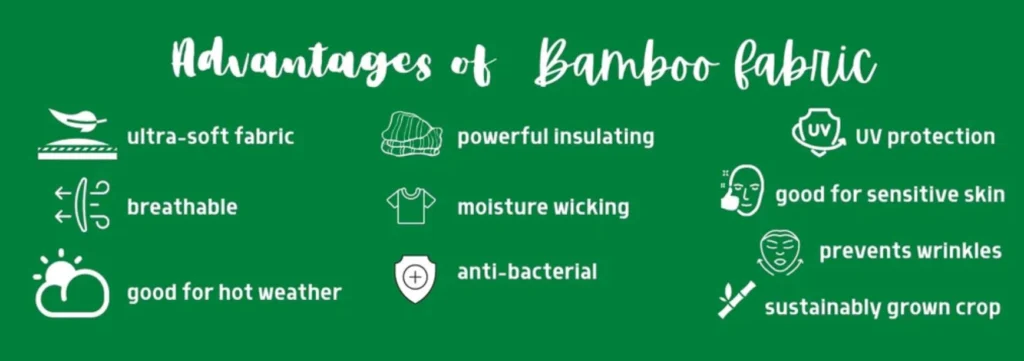
bamboo rayon benefits
✔ Very soft hand feel
✔ Excellent drape
✔ Breathable in warm weather
✔ Moisture absorbent
✔ Comfortable for sensitive skin
However:
✘ Can shrink if heat dried
✘ Weaker when wet
✘ May pill over time
✘ Less durable than polyester
Common Marketing Myths
Myth 1: Bamboo rayon is chemical-free
False. Traditional viscose production involves chemicals.
Myth 2: It’s automatically eco-friendly
Not necessarily — manufacturing method matters.
Myth 3: It’s antibacterial by default
Raw bamboo has antibacterial properties, but most are lost during processing.
So… Is Bamboo Rayon an Eco Fabric?
Here’s the honest answer:
✔ The plant source is sustainable.
✔ The final fiber is biodegradable.
✘ The traditional viscose process can be environmentally harmful.
It’s potentially sustainable, but not automatically eco-friendly.
If environmental impact is your priority, look for:
-
Bamboo lyocell
-
TENCEL™-type closed-loop fibers
-
Transparent manufacturing certifications
Who Should Choose Bamboo Rayon?
Choose it if you want:
✔ Extremely soft fabric
✔ Breathable summer clothing
✔ Gentle feel for sensitive skin
✔ Lightweight draping garments
Avoid if you need:
✘ Rugged durability
✘ Heat-resistant fabric
✘ High-performance athletic wear
Final Verdict
Rayon derived from bamboo (bamboo rayon material) is:
-
Soft
-
Breathable
-
Comfortable
-
Biodegradable
But its environmental friendliness depends heavily on how it’s manufactured.
It’s not a miracle eco-fabric — but when responsibly produced, it can be a more sustainable alternative to many fully synthetic materials.