Printed Dobby Fabric: Combining Woven Texture with Decorative Prints
What Is Printed Dobby Fabric?
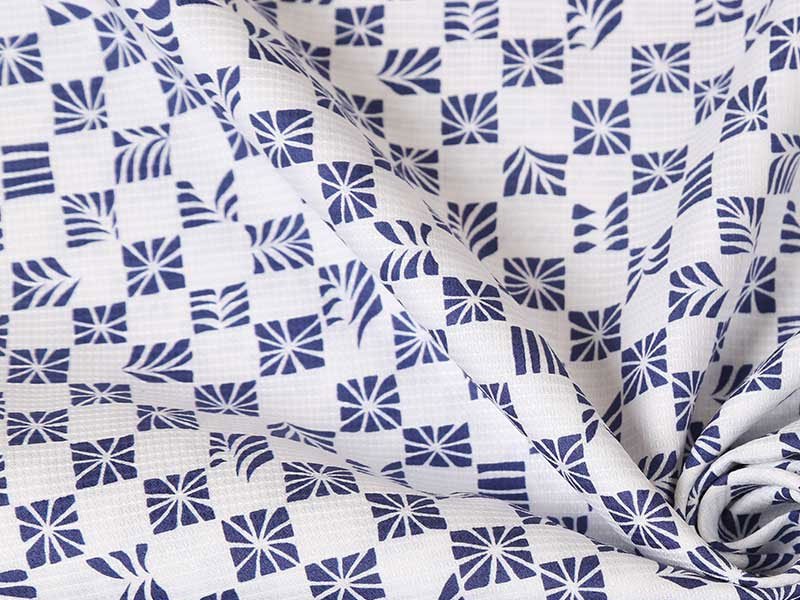
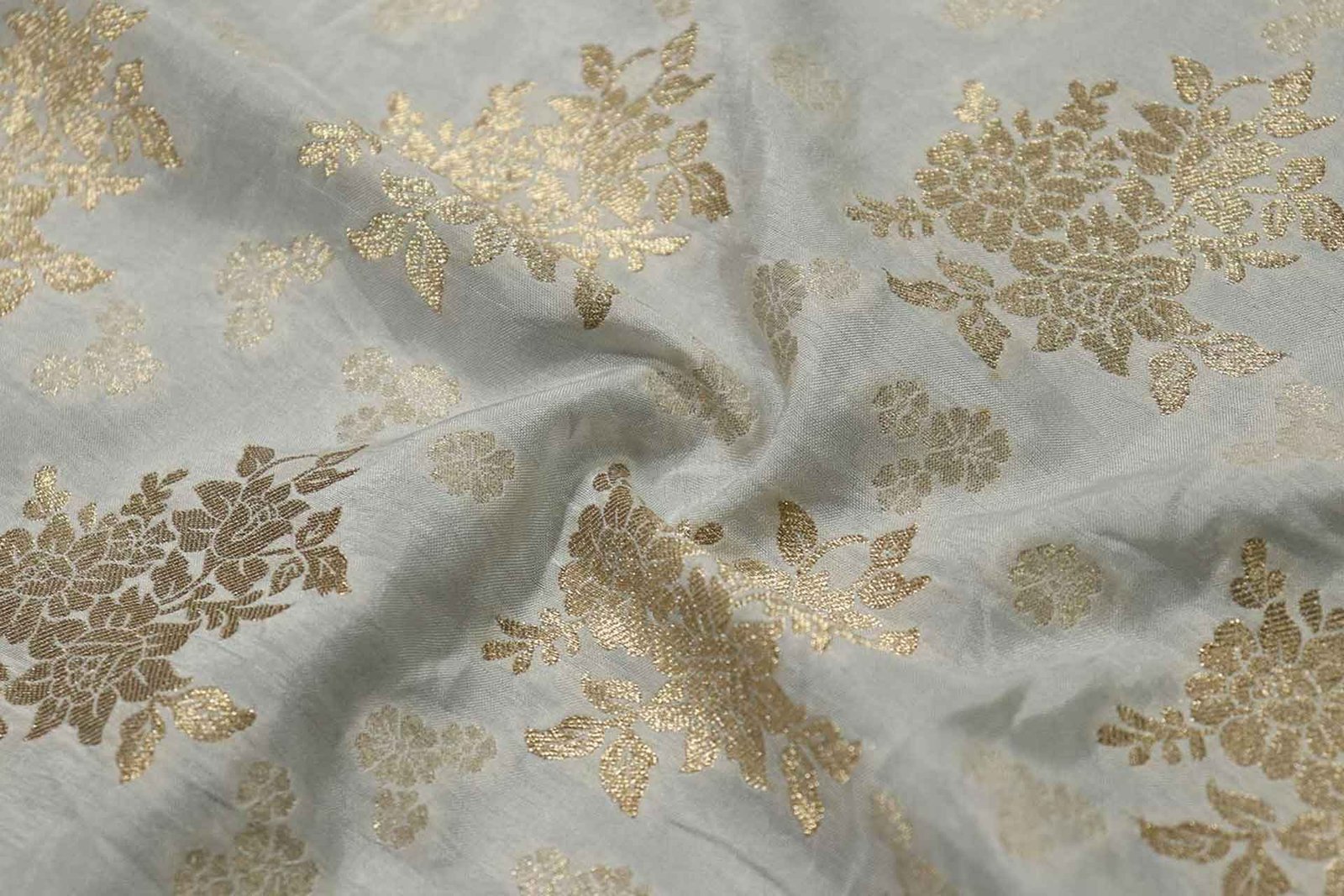
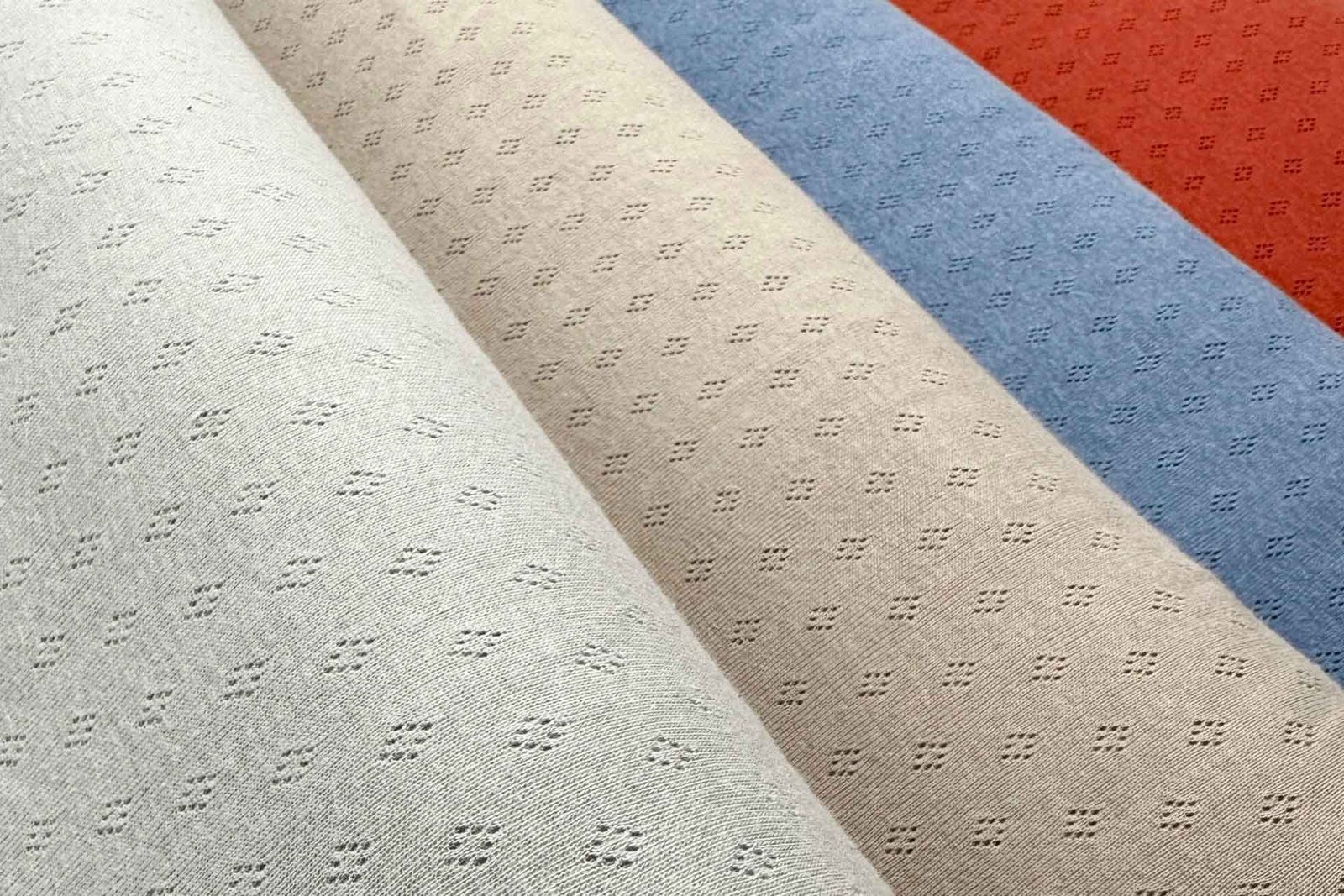
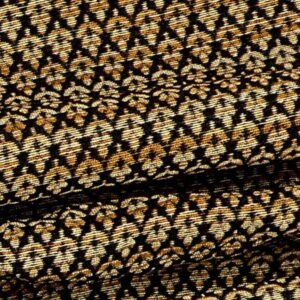
Printed dobby fabric is a textile that combines dobby weaving (small geometric patterns) with surface printing techniques to create fabrics with both texture and colorful designs.
Unlike plain printed fabric, which has a flat surface, printed dobby fabric features subtle woven patterns underneath the print, adding depth and visual richness.
👉 In simple terms: Printed dobby fabric is a textured fabric enhanced with printed designs for decorative and fashion use.
Dobby weaving → creates the base fabric with small textured patterns
Printing process → applies color and design on the surface
Common printing methods include:
Pigment printing
Reactive printing
Digital printing
👉 This combination allows both texture and color to coexist in one fabric.
Key Features of Printed Dobby Fabric
1. Layered Visual Effect
The woven texture adds depth beneath the printed design.
2. Wide Design Flexibility
Can support floral, geometric, or custom patterns.
3. Lightweight and Versatile
Suitable for both apparel and home textiles.
4. Cost-Effective Decoration
Compared to complex weaving, printing allows more design options at lower cost.
Printed Dobby vs Other Fabric Types
Printed Dobby vs Plain Printed Fabric
Feature
Printed Dobby
Plain Printed Fabric
Surface
Textured
Smooth
Visual depth
High
Flat
Design effect
Layered
Simple
👉 Printed dobby offers a more premium look.
Printed Dobby vs Dyed Dobby Fabric
Feature
Printed Dobby
Dyed Dobby
Color method
Surface printing
Dyeing
Pattern source
Printed design
Woven texture
Visual style
Bold & decorative
Subtle
👉 Simple rule:
Printed dobby → strong visual impact
Dyed dobby → understated elegance
Printed Dobby vs Yarn Dyed Fabric
Printed → design applied after weaving
Yarn dyed → color integrated before weaving
👉 Yarn dyed is more durable in pattern, while printed offers more flexibility.
Common Uses of Printed Dobby Fabric
✔ Apparel
Dresses
Blouses
Casual wear
👉 Adds both texture and color to garments
✔ Home Textiles
Curtains
Tablecloths
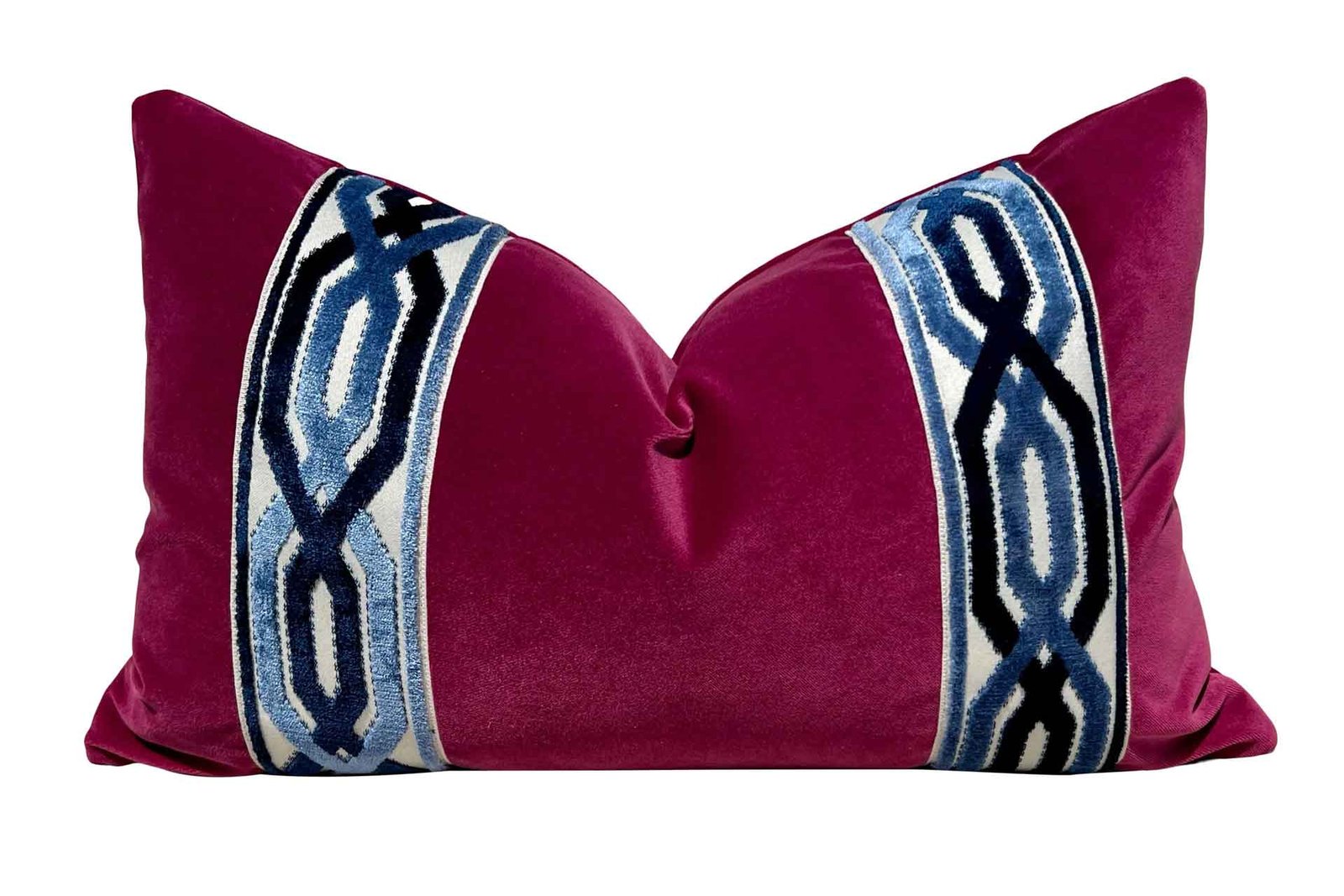
Cushion covers
👉 Enhances decorative appeal
✔ Fashion & Decorative Applications
Boutique collections
Interior accents
👉 Suitable for design-focused products
How to Choose the Right Printed Dobby Fabric
1. Printing Method
Pigment printing → cost-effective
Reactive printing → better color fastness
Digital printing → complex designs
2. Base Material
Cotton dobby → breathable and soft
Polyester dobby → durable and affordable
Blends → balanced performance
3. Pattern Design
Small prints → subtle and modern
Large prints → bold and decorative
4. Application
Apparel → soft and lightweight
Home décor → slightly heavier fabric
Advantages of Printed Dobby Fabric
Combines texture and color
Flexible design options
Suitable for various applications
More visually dynamic than plain fabrics
Limitations to Consider
Printed patterns may fade over time (depending on method)
Less durable than yarn-dyed designs
Surface print may not penetrate deeply
Available Specifications
Material: Cotton / Polyester / Blends
Width: custom
Weight: custom
Printing: Pigment / Reactive / Digital
Pattern: Custom designs available
Frequently Asked Questions (FAQ)
What is printed dobby fabric used for?
It is commonly used for clothing, curtains, and decorative textiles where both texture and design are important.
Is printed dobby fabric durable?
Durability depends on the printing method, with reactive and digital printing offering better longevity than basic pigment printing.
What is the difference between printed and dyed dobby fabric?
Printed dobby uses surface printing, while dyed dobby achieves color through dyeing processes.
Is printed dobby fabric suitable for clothing?
Yes, especially lightweight versions are widely used in dresses and casual wear.
Get Printed Dobby Fabric Samples & Custom Designs
If you are sourcing printed dobby fabric, choosing the right combination of base fabric and printing method is essential for achieving both visual appeal and performance.
👉 Contact us for samples, custom designs, and bulk pricing.


Reviews
There are no reviews yet.